








The Allure of the Authentic
For years, mainstream entertainment presented a polished, urban-centric view of India. The arrival of streaming platforms was initially seen as an opportunity to create even bigger, glossier productions. Yet, the shows that have generated the most sustained
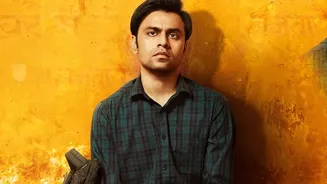
buzz and critical acclaim are often the ones that look and feel real. Series like 'Panchayat' and 'Gullak' have become cultural touchstones, not by showcasing glamour, but by finding the extraordinary in the ordinary. They present a nuanced, realistic picture of life in villages and small towns, moving beyond the stereotypical portrayals common in older media. This shift reflects a deep-seated audience craving for authenticity and stories that mirror the diverse tapestry of Indian life.
Connection Over Spectacle
Big-budget shows often rely on star power, high-octane action, and sprawling plotlines. While these can attract initial viewership, they don't always create a lasting connection. Regional and realistic series, on the other hand, focus on character-driven narratives and relatable situations. Audiences see reflections of their own lives, families, and communities, which fosters a powerful emotional bond. An entire episode of 'Panchayat' can revolve around the mundane installation of a CCTV camera, yet it resonates deeply because the feelings of privacy and community politics are universal. This focus on grounded, human stories provides a refreshing alternative to the often dark and gritty content that has populated streaming platforms.
The Miscalculation of Mainstream Formulas
There's a growing sense that the formula for a blockbuster film doesn't neatly translate to the streaming format. Some high-profile, big-budget web originals have yielded mixed results, leading platforms to become more cautious with their investments. The emphasis on star power over strong storytelling and the tendency to produce 'woke' content that feels disconnected from mass sensibilities have been cited as potential reasons for this lukewarm reception. As a result, platforms are reportedly negotiating harder and moving towards performance-based funding, even for major Bollywood studios. This suggests a market correction, where authentic engagement is valued more than just a big name on the poster.
The New Definition of 'Outperforming'
When we say regional shows 'outperform' their big-budget counterparts, it isn't always about hitting the highest viewership numbers, which are rarely made public. 'Outperforming' here refers to cultural impact. These smaller shows generate immense social media discussion, inspire memes, and achieve a level of critical acclaim that many larger productions miss. They build dedicated fan communities who eagerly await new seasons. This success is driven by a maturing audience that increasingly seeks stories reflecting their own reality rather than pure escapist fantasy. The expansion of internet access into tier-two and tier-three cities has also unlocked a massive audience that is eager to see their own lives and hometowns represented on screen.
A Sound Business Decision
Beyond cultural resonance, focusing on regional stories is also a smart business strategy. Setting stories in the hinterland is more cost-effective, allowing for investment in new faces and real locations instead of expensive sets and star salaries. As streaming platforms aim to widen their reach beyond the metros, creating culturally relevant content for the 'lowest common denominator' becomes crucial. This doesn't imply a dip in quality; rather, it's an acknowledgment that a majority of India's population lives outside the major cities and resonates with stories from that background. This shift proves that culturally specific storytelling, far from being niche, can be commercially powerful on a national scale.