





The Case for Mindful Movement
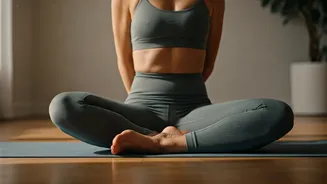
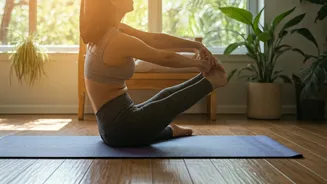
For many in Gen Z, fitness is no longer just about physical appearance; it's a critical tool for mental and emotional well-being. This is where Hatha yoga finds its modern appeal. Characterized by its slower pace and focus on breath-work (pranayama) and holding
postures (asanas), Hatha yoga offers a direct antidote to the anxiety and digital burnout that define much of modern life for young adults. It’s a practice that encourages turning inward, focusing on how you feel rather than how you look. In a hyper-connected world, yoga provides a space to unplug and ground oneself. This aligns perfectly with a generation that increasingly values authenticity and holistic health over older, more punishing fitness norms. They are seeking movement that heals rather than exhausts, and yoga's emphasis on flexibility, balance, and mind-body connection serves that need directly.
The Allure of Tangible Strength
Simultaneously, powerlifting has seen a massive surge in popularity, particularly among young people. The appeal is straightforward and deeply satisfying: measurable progress. Unlike more subjective fitness goals, lifting a heavier weight is undeniable proof of growth. This quantifiable achievement builds immense confidence. Social media has played a huge role, with fitness influencers showcasing their strength gains and creating supportive online communities. For many, especially young women, embracing strength training is a powerful rejection of old stereotypes, reframing fitness around capability and empowerment. The gym becomes a “third place” for community and connection, where shared struggle and mutual encouragement build a strong sense of belonging. It’s about feeling strong, not just looking a certain way, a mindset that profoundly changes how one moves through the world.
A Debate Over Modern Values
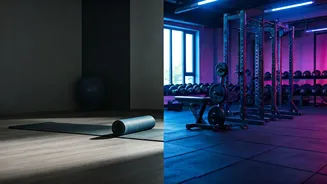
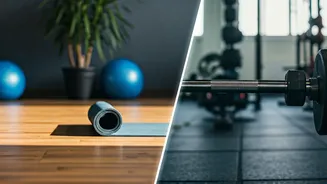
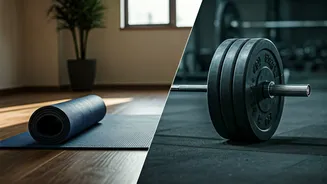
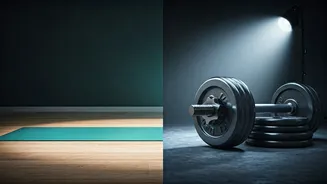
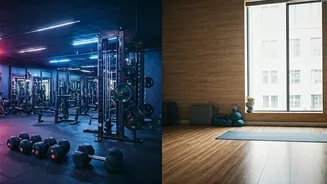
The “versus” in this debate is less about the exercises themselves and more about the competing philosophies they represent for Gen Z. Yoga often aligns with the pursuit of a “soft life”—a lifestyle focused on peace, mindfulness, and rejecting hustle culture. It’s a gentle, introspective path to self-improvement. Powerlifting, in contrast, champions discipline, resilience, and the empowering feeling of pushing physical limits. It’s a tangible, external expression of strength. The debate highlights a core tension within the generation's approach to wellness: is the better path one of quiet self-acceptance or one of actively building and demonstrating strength? This divide is amplified online, where algorithms often create echo chambers that pit the two disciplines against each other, creating a false binary.
Why You Don’t Have to Choose
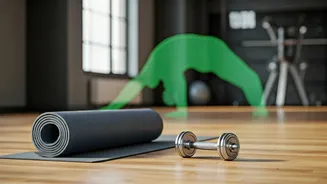
While social media may frame Hatha yoga and powerlifting as rivals, the reality is that they are highly complementary. Many fitness experts advocate for incorporating both practices into a well-rounded routine. Yoga builds flexibility, mobility, balance, and core strength, which can improve lifting technique and aid in muscle recovery, ultimately preventing injury. It also provides crucial mental benefits, like improved focus and stress reduction, which are invaluable for any athlete. Conversely, the absolute strength built through weight training can help practitioners achieve more advanced and physically demanding yoga poses that require significant power. Combining the two offers a holistic approach, nurturing both the mind's need for calm and the body's capacity for power.