


The Snake Plant: Striking and Sturdy
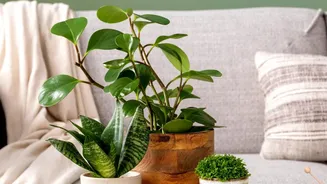
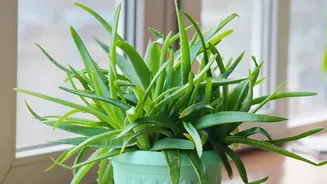
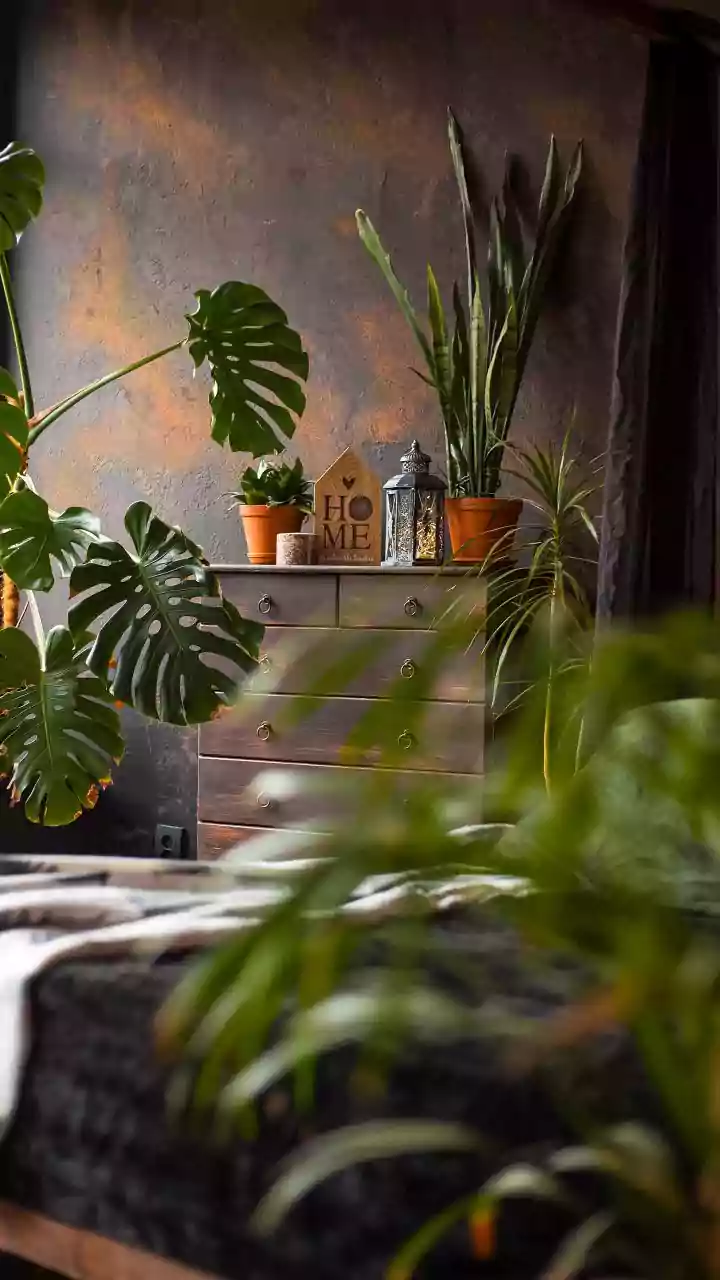
Often called one of the toughest houseplants, the Snake Plant (Sansevieria trifasciata) is a favourite for both beginners and seasoned plant parents. Its upright, sword-like leaves have a modern, architectural quality that suits various decor styles,
from minimalist to contemporary. Snake Plants are renowned for their ability to tolerate neglect; they thrive in low light conditions and require infrequent watering, making them ideal for busy households or dim corners. In fact, overwatering is its main enemy. Beyond its striking looks, it's also a powerful air purifier, known to filter common indoor toxins. With varieties ranging in colour and size, you can find a Snake Plant for a tabletop or a tall, dramatic floor piece.
The Money Plant: A Cascading Classic
A staple in millions of Indian homes, the Money Plant (Epipremnum aureum or Pothos) is beloved for its fast-growing, cascading vines and heart-shaped leaves. It's incredibly easy to care for and versatile, happily growing in both soil and water-filled bottles. This adaptability makes it perfect for placing on shelves, in hanging baskets, or along windowsills where its trailing foliage can create a lush, green curtain. It's known to be quite forgiving, tolerating a range of light conditions and bouncing back if you occasionally forget to water it. According to Vastu and Feng Shui, it's believed to bring good luck and prosperity. It's also an excellent air purifier, effective at removing pollutants like formaldehyde from the air.
The ZZ Plant: Glossy and Resilient
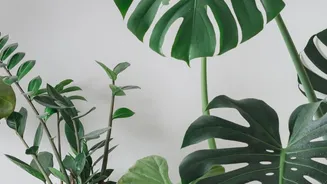
The ZZ Plant (Zamioculcas zamiifolia) is the perfect companion for anyone seeking a stylish yet virtually indestructible plant. Its wide, waxy, dark green leaves bring a touch of the tropics indoors and look so polished they almost appear artificial. The ZZ Plant is famously drought-tolerant and thrives even in low-light environments, such as offices or rooms with little natural sunlight. Its ability to store water in its underground rhizomes means it can go for weeks without watering, making it an excellent choice for frequent travellers or forgetful gardeners. This slow-growing plant won’t demand constant attention or repotting, allowing you to simply enjoy its elegant, arching stems and glossy foliage with minimal fuss.
The Spider Plant: An Air-Purifying All-Star
The Spider Plant (Chlorophytum comosum) is a classic houseplant celebrated for its easy-going nature and impressive air-purifying capabilities. With its gracefully arching leaves, often variegated with white stripes, it adds a touch of brightness to any room. It is particularly effective at removing common indoor pollutants like formaldehyde and carbon monoxide. One of its most charming features is its production of 'spiderettes'—small baby plants that dangle from the mother plant like spiders on a web. These offshoots can be easily snipped off and repotted, allowing you to propagate new plants effortlessly. Spider Plants are non-toxic to pets and children, and they thrive in bright, indirect light, making them a safe and beautiful addition to living rooms or kitchens.
The Areca Palm: Tropical Elegance
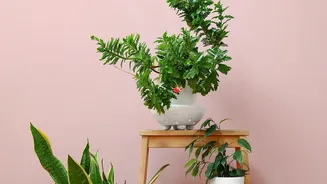
For those looking to make a bigger statement, the Areca Palm (Dypsis lutescens) offers a lush, tropical feel. Its feathery, arching fronds can instantly liven up a dull corner, creating a resort-like atmosphere in your living room or balcony. Often called the Butterfly Palm, this plant is one of the most popular indoor palms in India. While it requires a bit more care than the other plants on this list, it’s still manageable for beginners. It thrives in bright, indirect sunlight and prefers its soil to be kept moderately moist, but not waterlogged. Besides its decorative appeal, the Areca Palm is an excellent natural humidifier and is known for its ability to filter airborne toxins, contributing to a healthier indoor environment.
Aloe Vera: Functional and Sculptural
Aloe Vera is a plant that is as practical as it is beautiful. Known for the soothing gel inside its leaves, it serves as a living first-aid kit for minor burns and skin irritations. From a design perspective, its thick, fleshy leaves grow in a rosette, creating a striking, sculptural silhouette that works well in modern and minimalist decor. As a succulent, Aloe Vera is low-maintenance, requiring bright, indirect sunlight and infrequent watering. It prefers its soil to dry out completely between waterings, making it another forgiving choice for busy plant owners. Placing one on a sunny kitchen windowsill ensures it's both a decorative element and a handy natural remedy.