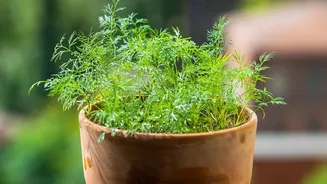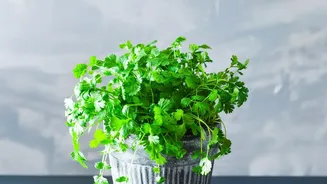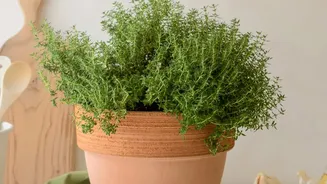



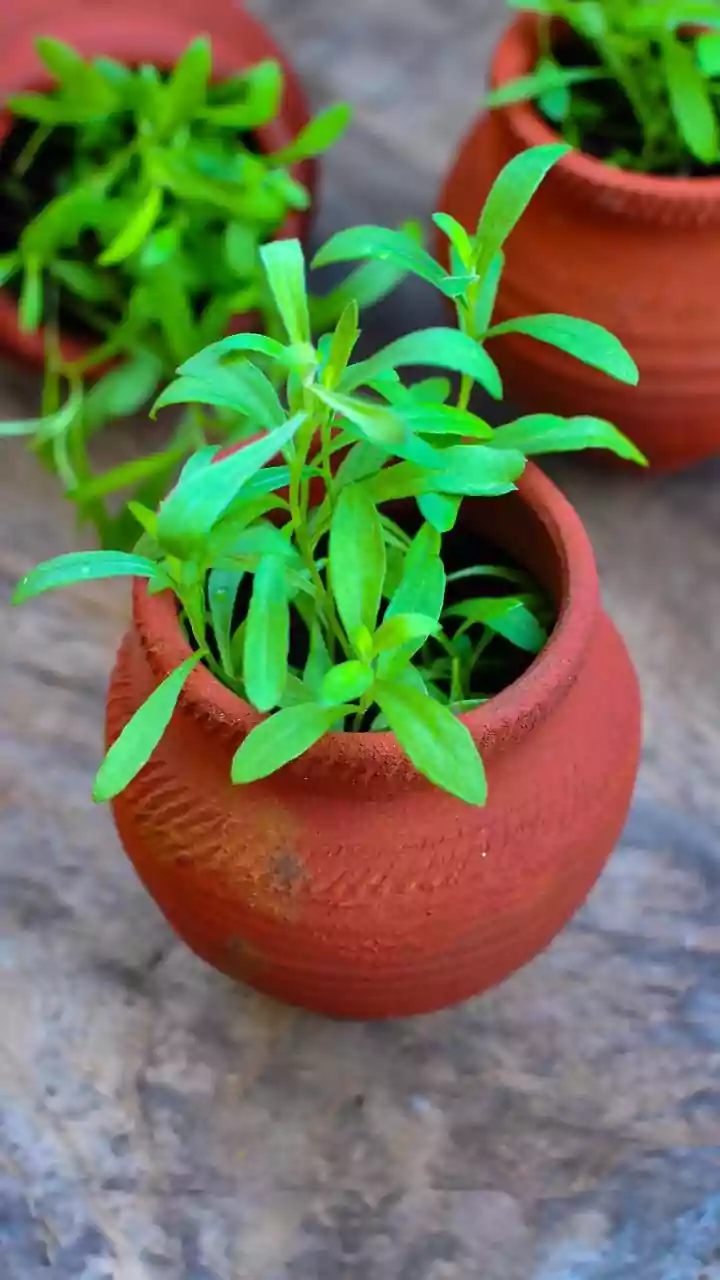

Why the sudden green thumb?
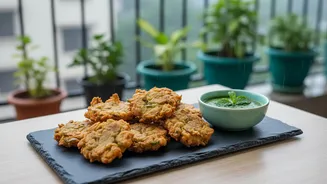
In the concrete confines of city life, a small patch of green can feel like a luxury. The trend of growing culinary herbs at home is blooming, driven by a desire for fresher flavours, a connection to our food, and a need for a calming hobby. Urban gardening,
once a niche interest, is now a mainstream movement, with residents converting balconies, windowsills, and rooftops into productive mini-farms. This shift is about more than just convenience; it's about sustainability, reducing plastic packaging, and having complete control over what goes into your meals, free from pesticides. It’s a simple way to bring nature indoors and enhance well-being in a fast-paced environment.
The flavourful benefits
The most immediate reward of a home herb garden is the incredible boost in flavour. Freshly harvested herbs contain more essential oils, making your cooking more aromatic and delicious than anything store-bought and dried. Beyond taste, there are practical advantages. You save money by snipping off what you need instead of buying a whole bunch that might wilt in the fridge. There are also significant wellness benefits; gardening is a proven stress-reliever, and having fresh herbs encourages healthier eating. Furthermore, you reduce your carbon footprint by eliminating food miles and plastic packaging associated with commercial herbs.
Your starter kit for success
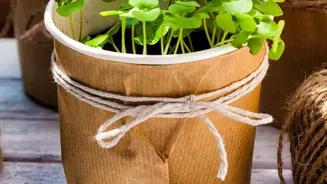
Getting started is simpler than you might think. You don’t need a sprawling garden, just a few key items. First, choose your containers. Terracotta or plastic pots about 6-8 inches deep with drainage holes are perfect. Good drainage is crucial to prevent root rot, a common issue for beginners. Next, use a quality potting mix, preferably enriched with some compost, to give your herbs the nutrients they need. Finally, sunlight is non-negotiable. Most culinary herbs need at least 4-6 hours of direct sunlight daily, making a south or west-facing balcony or windowsill an ideal spot. For beginners, starting with small saplings from a nursery is often easier than growing from seeds.
Five fail-proof herbs for Indian kitchens
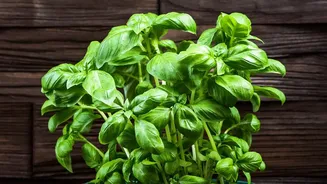
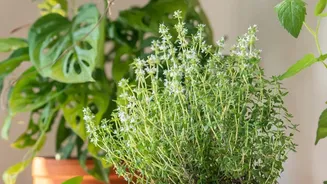
Choosing the right herbs is key to building confidence. Here are five easy-to-grow options perfect for the Indian climate and cuisine: 1. Mint (Pudina): Incredibly hardy, it grows fast and is perfect for chutneys, raitas, and summer drinks. It just needs consistent moisture and some sun. 2. Coriander (Dhania): A staple garnish, coriander loves cooler weather and regular watering. You can harvest the leaves continuously. 3. Holy Basil (Tulsi): Revered and resilient, Tulsi is a hardy plant that thrives in Indian conditions and is great for teas and home remedies. 4. Curry Leaves (Kadi Patta): A must-have for South Indian cooking, this plant grows into a small shrub and needs plenty of sunlight. It's a low-maintenance, long-term addition to your garden. 5. Lemongrass: This fragrant grass is easy to grow in a pot, loves the sun, and is perfect for flavouring teas and Asian dishes.
Common mistakes to avoid
To ensure your green patch thrives, steer clear of a few common pitfalls. The most frequent mistake is overwatering. Herbs don't like to sit in waterlogged soil, so always check if the top inch of soil is dry before watering again. Another issue is insufficient light; a dark corner won't do for sun-loving herbs like basil and rosemary. Don't crowd your plants either. Give each herb its own pot or enough space in a larger container to grow without competing for nutrients and water. Finally, don't be afraid to harvest. Regular pruning and snipping actually encourage fuller, bushier growth.