





From Nuisance to Valued Customer
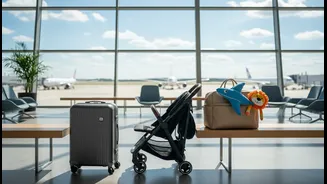
For decades, the airport experience felt designed for the solo business traveler, with families and children treated as a noisy afterthought. The journey was often a frantic scramble of juggling luggage, strollers, and restless kids. But that perception
is changing rapidly. Airports are now viewing families not as an inconvenience, but as a significant and valuable market segment. This shift is driving a global trend where airports are actively competing to be the most family-friendly, recognizing that a positive experience for children leads to a less stressful—and more profitable—journey for all. This evolution is central to a broader strategy where passenger wellbeing is becoming a key differentiator in a competitive aviation landscape.
More Than Just a Slide
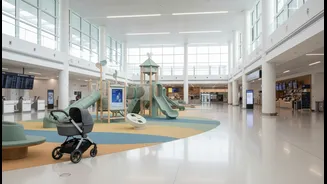
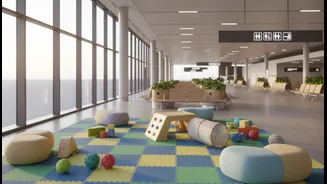
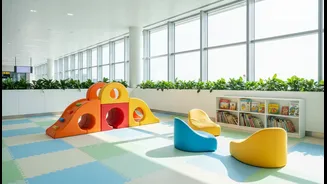
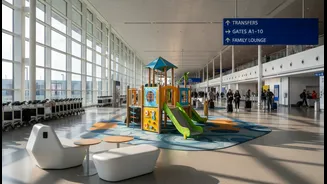
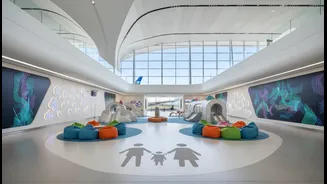
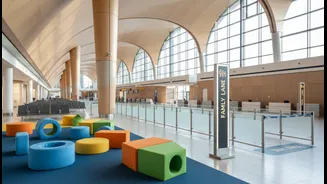
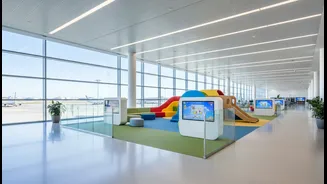
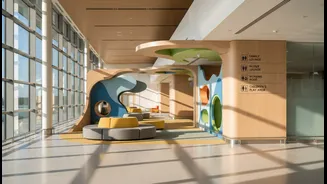
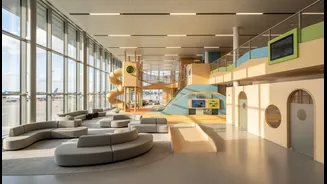
The modern child-friendly airport goes far beyond a lonely rocking horse in a forgotten corner. Today's amenities are sophisticated and thoughtfully integrated. Leaders in the space, like Singapore's Changi Airport and Incheon in Seoul, offer everything from movie theaters and indoor gardens to interactive digital walls. In the U.S., airports like Chicago O'Hare and LAX are lauded for their family lounges, play spaces, and plentiful charging stations. Other key features include dedicated family lanes at security checkpoints, which reduce the pressure of rushing through screening. Many are also installing private nursing rooms, family restrooms with kid-sized facilities, and even sensory rooms designed to provide a calm space for neurodivergent travelers or any child feeling overstimulated by the airport's chaos.
The Economic Case for Happy Kids
The driving force behind this trend is clear economic logic. Airports generate a huge portion of their income from non-aeronautical revenue—money spent on retail, food and beverages, and parking. Studies have shown that when parents are less stressed and their children are happily occupied, families are more likely to spend time and money in airport shops and restaurants. One survey found that passengers who have a positive airport experience spend 45% more than disappointed passengers. Essentially, reduced stress translates directly into increased dwell time, and that extra time spent in the terminal often leads to higher sales. By investing in play areas, family lounges, and other amenities, airports are making a strategic bet that a comfortable family is a consuming family.
Who Is Leading the Way?
A number of airports are consistently recognized for setting the standard. Singapore Changi is famous for its jaw-dropping features, including a butterfly garden, a massive slide, and even a rooftop pool. Incheon Airport in South Korea, named the World's Most Family-Friendly Airport by Skytrax in 2024, offers stroller rentals and a mini theme park for longer layovers. In the U.S., airports like San Francisco International (SFO) offer multiple "Kids Spots" and an aviation museum, while Philadelphia International (PHL) boasts an award-winning exhibitions program and dozens of family restrooms. Recent rankings have also highlighted significant progress in India, with Bengaluru's Kempegowda International Airport (KIA) and Hyderabad's Rajiv Gandhi International Airport (RGIA) earning praise for their play zones and passenger support services. These airports demonstrate that investing in the family experience is a global phenomenon.