


Anatomy of a Controversial Creation
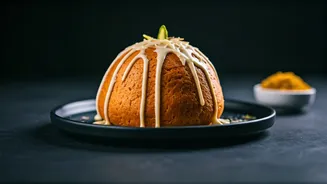
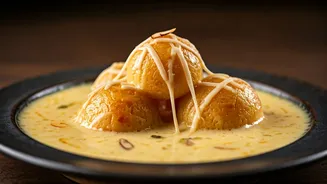
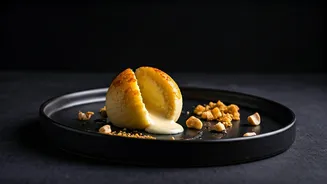
So, what exactly is this dish that’s raising eyebrows and tempting tastebuds? At its core, Baked Rasgulla is a modern adaptation of the classic Bengali sweet. The process begins with traditional rasgullas, which are gently squeezed to remove excess sugar
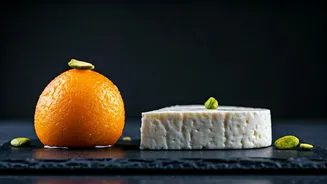
syrup. These spongy cheese balls are then arranged in a baking dish and typically drenched in a rich, thickened milk mixture similar to rabri, often flavoured with cardamom and saffron. The final, and most debated, step involves a topping. While many recipes use a simple thickened milk or condensed milk layer that caramelises upon baking, the more audacious versions introduce a layer of cheese—often paneer, cream cheese, or even mozzarella—before being baked or broiled until the top is golden and bubbling.
A Symphony of Sweet and Savoury
For those who have tried it, the experience is often one of pleasant surprise. The appeal lies in the contrast of temperatures and textures. You get the comforting warmth of a baked dessert, the slight pull and savoury hint of melted cheese, and the familiar, yielding softness of the rasgulla underneath. The creamy milk base acts as a bridge, uniting the sweet and savoury elements. Proponents argue that it’s a brilliant evolution, transforming a simple sweet into a complex, satisfying dessert that feels both novel and nostalgic. It is often described as a combination of rasgulla and ras malai, but with a unique, caramelised top layer that adds a new dimension of flavour.
Culinary Genius or Tradition Betrayed?
Of course, not everyone is convinced. For every fan, there is a purist who believes that classics should not be tampered with. Rasgulla, a sweet with a rich history and a source of regional pride (with both West Bengal and Odisha holding GI tags for their versions), is seen by many as perfect in its original form. The introduction of baking, and especially of savoury cheese, is viewed by some as culinary heresy. This dessert sits at the centre of a larger cultural conversation: where do we draw the line between innovation and the preservation of culinary heritage? The debate itself highlights the passion that Indians have for their food and its traditions.
The Rise of the Modern Mithai
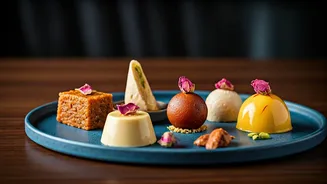
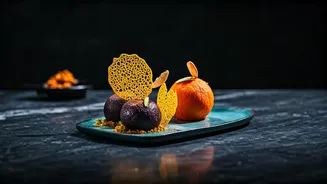
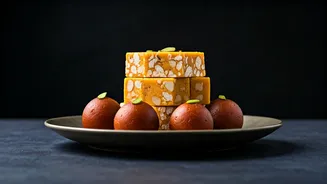
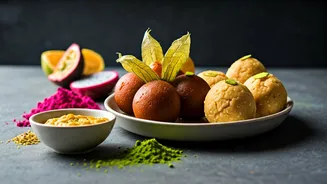
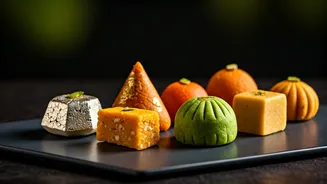
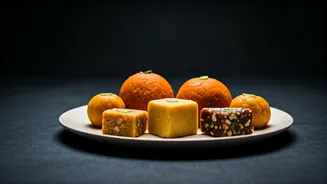
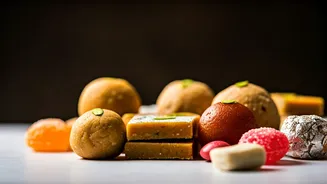
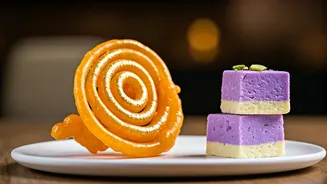
Baked Rasgulla isn’t an isolated phenomenon; it’s a star player in the burgeoning world of Indian dessert fusion. For years, chefs and home cooks have been deconstructing and reimagining traditional sweets. We have seen the rise of Gulab Jamun Cheesecake, Motichoor Ladoo Parfaits, and Jalebi Caviar. These creations reflect a new confidence in Indian flavours, blending them with global techniques and formats like cheesecakes, tarts, and trifles. They cater to a generation of diners who are adventurous and eager to try something new, while still retaining a connection to the flavours they grew up with. This trend signifies a vibrant and evolving culinary landscape, where tradition is not a rigid set of rules but a foundation for creativity.