





The Push for a Greener Diwali
Every year, the joy of Diwali is followed by concerns over a sharp spike in air and noise pollution. This spike is largely attributed to the widespread bursting of conventional firecrackers, which release a cocktail of harmful chemicals and particulate
matter into the air that is already strained by other pollution sources. In response to this public health and environmental challenge, authorities, guided by Supreme Court directives, have pushed for a shift towards regulated, lower-emission alternatives. The goal is not to eliminate celebrations but to make them safer and cleaner for everyone by promoting greener habits during the festive season.
What Exactly Are Green Crackers?
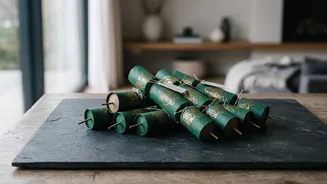
The term 'green cracker' doesn't mean a firecracker is completely pollution-free. Instead, it refers to a range of fireworks developed by the Council of Scientific and Industrial Research–National Environmental Engineering Research Institute (CSIR-NEERI). These are designed to have a smaller environmental footprint. The core innovation lies in their chemical composition. They are formulated to reduce particulate matter emissions by 30-40% and to cut down on harmful gases like sulphur dioxide and nitrogen oxides. They also produce sound at a lower decibel level, typically staying within a prescribed limit of 125 decibels, compared to the 160 decibels or more from many traditional crackers.
Key Differences from Traditional Crackers
The main distinction between green and conventional crackers is the absence or significant reduction of certain hazardous chemicals. Green crackers do not use toxic compounds like barium nitrate, a chemical staple in traditional fireworks that is responsible for heavy smoke and contributes to respiratory issues. Instead, they use alternative formulations and additives like zeolite, which can absorb emissions. CSIR-NEERI has developed several types, including SWAS (Safe Water Releaser), which releases water vapour to suppress dust; STAR (Safe Thermite Cracker), which has low particulate emission; and SAFAL (Safe Minimal Aluminium), which uses less aluminium to reduce sound.
The Official Rules for Festive Use
While the Supreme Court has allowed for the use of specified green crackers, it is not a free-for-all. The regulations are conditional and often vary by state. Many states and cities, particularly Delhi, have historically imposed strict rules, sometimes including a complete ban on all types of firecrackers, regardless of their 'green' status. In areas where green crackers are permitted, there are usually strict time windows for bursting them, often a few hours on Diwali night. It is crucial for citizens to check the latest notifications from their local district administration or state pollution control board, as these bodies set the specific rules for their area, including designated bursting zones. Some regions have also banned specific types of fireworks, like joined crackers or 'ladis', due to the concentrated pollution they cause.
How to Identify Authentic Green Crackers
To ensure you are buying genuine green crackers and not counterfeit products, there are two key identifiers to look for. First, the packaging must feature the official CSIR-NEERI green logo. Second, and just as important, is the presence of a QR code. This code can be scanned with a smartphone to verify the cracker's authenticity and view manufacturing details. Any box lacking either the official logo or a functional QR code is likely not a certified green cracker and should be avoided. These markings are mandated to help consumers make informed choices and to help authorities trace the products back to licensed manufacturers.
Penalties for Violating the Rules
Authorities across the country are stepping up enforcement to curb the use of illegal firecrackers. The penalties for violating the rules can be significant. Selling or storing banned fireworks can lead to fines and even imprisonment under laws like the Explosives Act. For individuals, bursting non-green crackers in areas where they are banned can also result in fines. Police departments often conduct raids on illegal storage and sales operations in the weeks leading up to Diwali. In some states, officials have been given clear directives to take action against the sale of materials used to create improvised explosive devices, like carbide guns, which have caused injuries in the past.