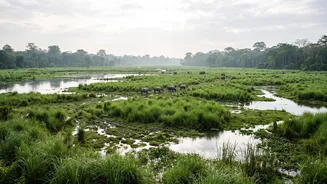






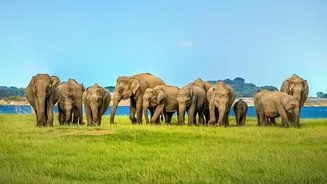
As the monsoon waters recede, the iconic Kaziranga National Park is once again opening its gates to visitors for the 2026-27 season. This guide explains the phased reopening, helping you plan your visit to this celebrated wildlife haven.
The Annual Reopening Explained
Every year, Kaziranga
National Park closes during the monsoon season, typically from May or June through October. The mighty Brahmaputra River floods the vast grasslands, forcing animals to seek higher ground and making safari trails impassable. As the rains subside, the park undergoes a phased reopening. For the 2026-27 tourist season, the park officially reopened on October 3, 2026, for jeep safaris. This staggered approach ensures that safari routes are safe and dry enough for vehicles before tourists are allowed in. The process begins with the most accessible ranges, with others following as conditions improve across this UNESCO World Heritage Site.
Current Season Accessibility: Zones and Dates
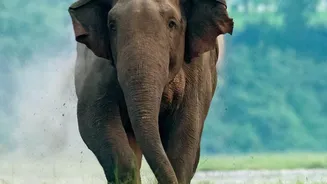
For the current season, jeep safaris commenced on October 3, 2026, in two of the most popular ranges: the Central Range (Kohora) and the Western Range (Bagori). These zones are the first to become accessible post-monsoon. The other ranges, namely the Eastern Range (Agoratoli) and the Burapahar Range, are set to open in subsequent phases as the terrain continues to dry out. The much-anticipated elephant safaris, which offer a different perspective for wildlife viewing, are scheduled to begin on November 1, 2026. This later start ensures the ground is firm and safe for the elephants and riders.
A Guide to the Safari Ranges
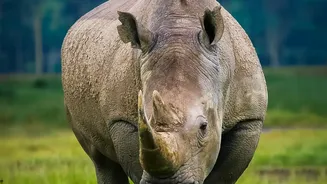
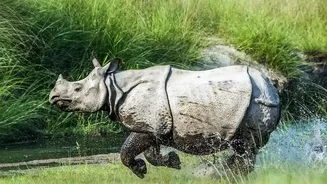
Kaziranga is divided into four main safari zones, each offering a unique experience. The Central Range (Kohora) is the most frequented, known for its high density of the greater one-horned rhinoceros. The Western Range (Bagori) also boasts excellent rhino sighting opportunities and is a favourite for photographers due to its open grasslands. The Eastern Range (Agoratoli) is a paradise for birdwatchers, with its vast water bodies attracting a multitude of avian species. The Burapahar Range offers a more rugged and forested landscape, appealing to those seeking a quieter safari experience. For a comprehensive trip, experts often recommend spending two to three days exploring a combination of these ranges.
Jeep Safari vs. Elephant Safari
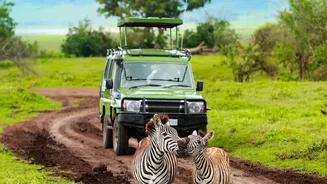
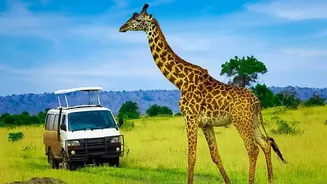
Visitors can explore Kaziranga through two primary modes: jeep safaris and elephant safaris. Jeep safaris cover more ground and are available in all four ranges, running in both morning and afternoon slots. This makes them a flexible option for exploring the park's diverse habitats. Elephant safaris, on the other hand, provide an unparalleled opportunity for close-up wildlife encounters, particularly with rhinos. These safaris are conducted only in the early morning in the Central and Western ranges and last for about an hour. Because they can venture into tall grasslands where jeeps cannot go, they offer a uniquely intimate viewing experience. However, seats are limited and in high demand, so booking well in advance is crucial.
Planning Your Visit: Tips and Timings
The best time to visit Kaziranga for prime wildlife sightings is generally from November to April. During the peak winter months of December to February, the weather is cool and dry, and the shorter grass improves visibility, making it an ideal time to spot animals. This is, however, also the busiest period, so advance booking for both safaris and accommodation is highly recommended. Online booking for jeep safaris is available through the official government portal and various authorized agents. Elephant safari slots are notoriously difficult to secure and often require booking on-site or through a trusted local operator well in advance. Morning safaris are typically best for spotting active wildlife.