







The New Social Square
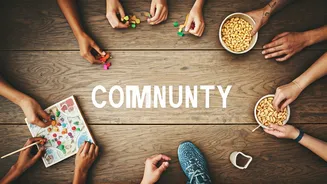
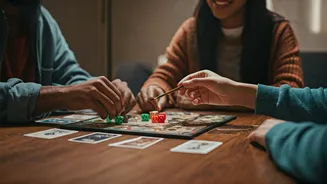
For previous generations, hanging out meant meeting at the mall, a coffee shop, or a park. For Gen Z, the concept of a social 'third place'—a hub outside of home and work—has gone digital. [1, 3] While physical hangouts like visiting escape rooms or attending
festivals are still valued, they are complemented by a vibrant online social life. [1] Platforms like Discord, Twitch, and multiplayer games such as Fortnite and Roblox are not just for entertainment; they are bustling virtual community centers. [9] Here, friendships are formed and maintained through collaborative gameplay, shared interests, and constant conversation, transforming what it means to spend time together. [9] This digital-first approach means that community is no longer bound by geography but by shared passions.
From Passive Viewers to Active Participants
Millennials may have perfected the art of binge-watching, but Gen Z is taking it a step further by making consumption an interactive sport. They aren't just watching a show; they're live-tweeting it, creating reaction videos on TikTok, and debating plot twists in real-time on Discord servers. This shift from passive consumption to active participation is a hallmark of their generation. [4] Leisure is less about quiet reception and more about collaborative creation and commentary. [9] Whether it's building a world together in Minecraft or contributing to a fandom's collective lore, Gen Z finds joy in making their mark on the culture they consume.
Why Connection Is Key
This drive for shared experience isn't arbitrary; it's a response to the world they've inherited. Gen Z is reported to be one of the loneliest generations, with high rates of anxiety. [5, 11] Growing up through a pandemic during crucial developmental years may have hindered some in-person social skills, making digital spaces feel safer and more accessible for connection. [12] In this context, the search for community is a form of self-care. [22] These online and hybrid spaces offer a sense of belonging and inclusivity, allowing individuals to connect with others who share their specific interests and values, regardless of physical proximity. [3, 6] This is especially true for Gen Z women, who are often compelled by community-centric ideals in their online interactions. [16]
The Economics of Hanging Out
There’s also a practical, economic driver behind this trend. Traditional social outings—concerts, dinners, movies—can be expensive. For a generation facing financial pressures, many digital shared experiences offer a low-cost or free alternative. [15] A night spent gaming with friends online or co-watching a movie via a streaming platform's party feature provides hours of social entertainment without the hefty price tag. [1] While Gen Z values out-of-home experiences, financial constraints often make screen-based fun a more frequent and feasible option. [15, 24] This accessibility ensures that connection isn't a luxury, but a daily practice.
Blurring Lines Between Online and IRL
Ultimately, for Gen Z, the distinction between 'online friends' and 'real-life friends' is increasingly irrelevant. [6] They inhabit a hybrid world where digital interactions seamlessly flow into and enrich their physical lives. [7] A friendship might begin in a video game lobby, solidify through a shared Discord server, and culminate in an in-person meetup at a convention or local event. This generation doesn't see the digital world as a replacement for the real one, but as an essential extension of it—a place to build the foundations of community that they carry with them everywhere. It’s a fluid, integrated approach to socialising that blurs old boundaries and pioneers a new model for connection. [6]