



An Unwanted Ingredient in Your Pantry
Microplastics are tiny plastic fragments, smaller than five millimetres, that have become pervasive in our environment. They originate from the breakdown of larger plastic items, synthetic textiles, and industrial processes. These particles contaminate
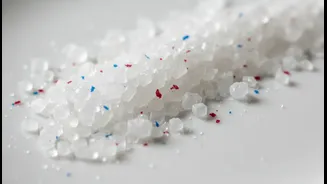
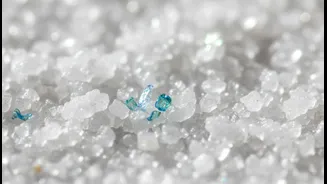
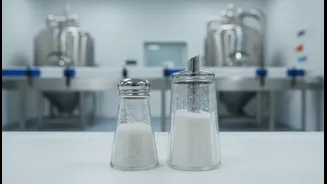
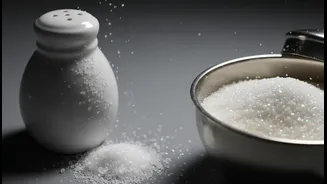
soil, water, and air, inevitably making their way into the food chain. Recent Indian studies have raised alarms by confirming their presence in pantry essentials. A study by the environmental organisation Toxics Link found microplastics in every single sample of salt and sugar they tested, from both big and small brands, packaged and loose. This means common ingredients used in every meal, from morning chai to dinner dal, are now a potential source of plastic ingestion.
Which Staples Are of Concern?
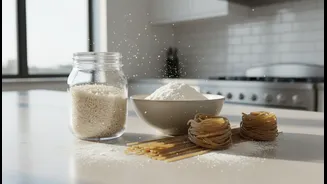
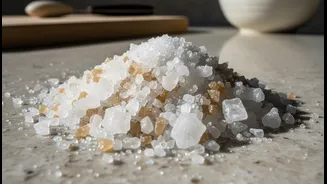
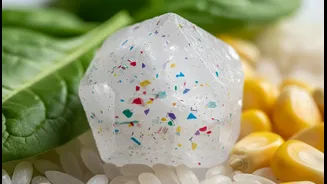
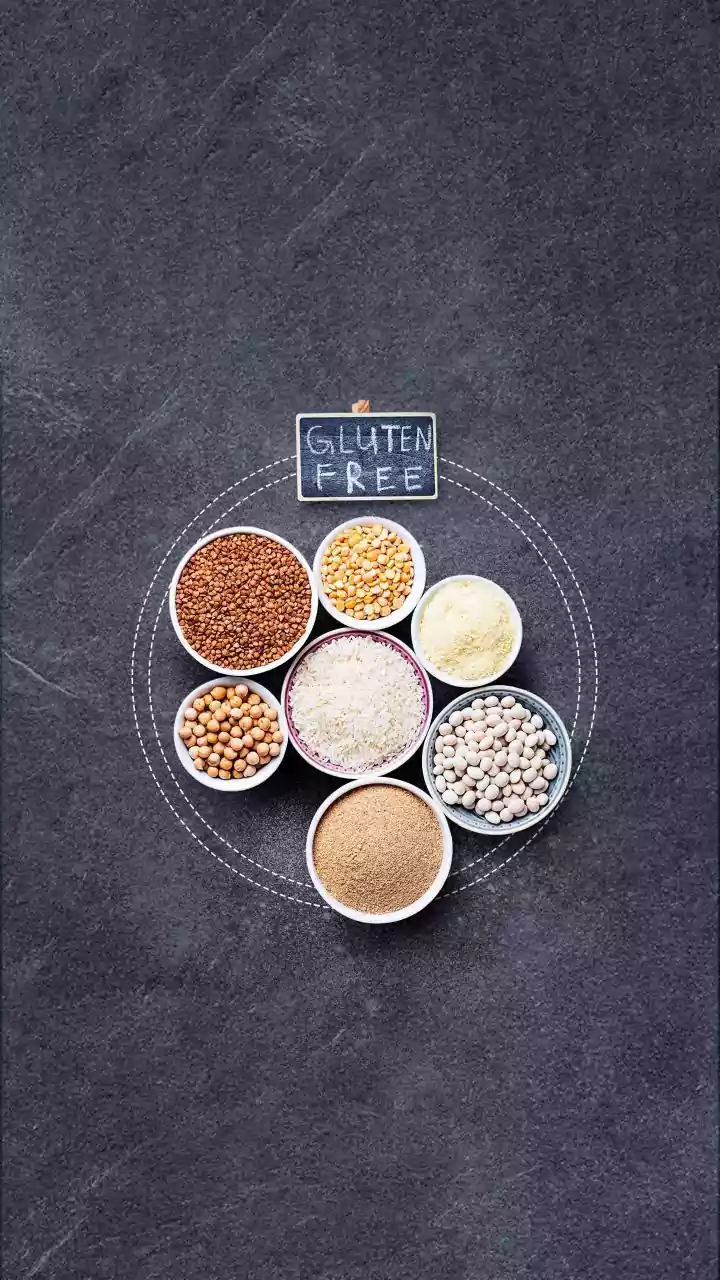
The findings are specific and concerning for Indian households. The study on salt and sugar found that contamination levels varied, with iodised salt showing some of the highest concentrations of microplastics. Organic rock salt reportedly had the lowest. Similarly, for sugar, non-organic varieties showed higher particle counts. It doesn't stop there. Other research has detected microplastics in rice, another cornerstone of the Indian diet. The particles identified include common plastics like polyethylene, often used in packaging. The ubiquity of these findings suggests that avoiding microplastics entirely is nearly impossible, shifting the focus from elimination to reduction.
The Health Question Mark for Families
For parents, the key question is what this means for their children's health. Research on the direct impact of microplastics on humans is still developing, but early evidence from cellular and animal studies points to potential risks. Scientists are concerned that these particles can cause inflammation, oxidative stress, and may disrupt the endocrine (hormone) system. Children are considered particularly vulnerable because their bodies are still developing, and they consume more food and water relative to their body weight. Particles have been found in human blood, lung tissue, and even the placenta, indicating exposure can begin before birth. While there is no conclusive link to specific diseases in humans yet, the potential for long-term harm is driving many families to act now.
Practical Steps for the Concerned Parent
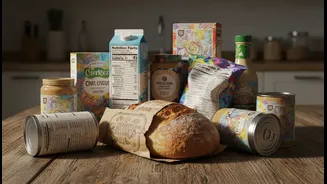
While the problem is large-scale, small changes in the kitchen can help reduce a family's exposure. Experts suggest several practical strategies. Storing food in glass or stainless steel containers instead of plastic is a key first step. It's also crucial to avoid heating food in plastic containers, even if they are labelled microwave-safe, as heat can accelerate the release of particles. When it comes to food preparation, rinsing rice thoroughly before cooking may wash away a significant portion of surface microplastics. Choosing fresh, loose produce over heavily packaged options, and opting for filtered tap water instead of bottled water—which often contains more microplastics—are other effective changes.
Beyond the Kitchen: A Call for Change
Individual actions are important, but families cannot solve this problem alone. The Toxics Link study highlights the need for policy action and better manufacturing processes to tackle contamination at the source. This includes pushing for improved filtration systems in food production, developing safer packaging materials, and clearer labelling to inform consumers. As awareness grows, parents are not just changing their shopping habits; they are becoming part of a larger conversation demanding greater accountability from industries and regulators. The goal is to ensure the food on our tables is as safe as possible, free from hidden contaminants that threaten the health of the next generation.