





Indore: The Unrivaled Street Food Superstar
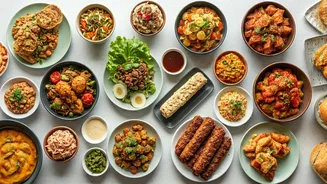
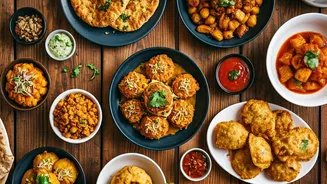
Often hailed as the street food capital of India, Indore's reputation is built on a foundation of flavour, variety, and an almost religious devotion to snacking. The city's food scene is legendary, centered around two main hubs: Sarafa Bazaar, a jewellery
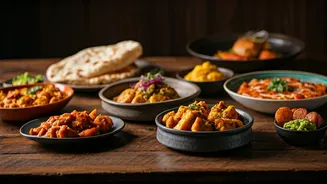
market that transforms into a bustling food carnival at night, and Chhappan Dukan, a street lined with 56 food shops. [6, 9] The breakfast of choice for most locals is Poha-Jalebi, a delightful combination of flattened rice and sweet, syrupy swirls. [5] As the day progresses, the options are endless. You can find everything from Bhutte ka Kees (a grated corn dish cooked in ghee and spices) to the unique Garadu Chaat, a winter specialty made from a type of yam. [6, 10, 12] What truly sets Indore apart is its community's passion for quality and cleanliness, making it a paradise where you can indulge in every chaat, kachori, and kulfi with absolute confidence. [5]
Ahmedabad: A Vegetarian Paradise Reimagined
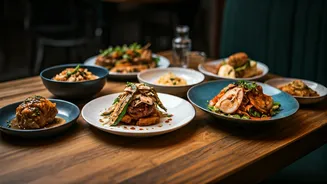
As a UNESCO World Heritage City, Ahmedabad has always been a cultural heavyweight, and its food scene is no different. [28] While deeply rooted in its rich vegetarian Gujarati heritage, the city's palate is rapidly modernising. [13, 28] The iconic Manek Chowk, which functions as a market by day and a vibrant street food hub by night, remains a must-visit for traditional eats. However, the contemporary food scene is buzzing with innovation. [15] There’s a growing demand for diverse culinary experiences, leading to a boom in plant-based dining and restaurants experimenting with global flavours. [13] You can savour a traditional Gujarati thali with its perfect balance of sweet and savoury, or try modern fusion dishes that blend local ingredients with international techniques. [27, 29] It is this seamless blend of old and new that makes Ahmedabad a fascinating destination for any food lover. [13, 15]
Kochi: Coastal Flavours Meet Bohemian Cafes
Kochi's culinary identity is a direct reflection of its history as a bustling port on the spice route. [8] The city's food is a rich tapestry woven from Keralite traditions and centuries of influence from Arab, Portuguese, Dutch, and British traders. [11] This fusion is evident in dishes like the iconic Fish Molee. [11] The cuisine is defined by the generous use of coconut, fresh seafood pulled straight from the backwaters, and a complex blend of spices. [8] But Kochi's story doesn't end with tradition. The city has a thriving contemporary food scene, especially in the art-infused lanes of Fort Kochi. [18] Fuelled by a cosmopolitan crowd and events like the Kochi-Muziris Biennale, a vibrant cafe culture has taken root, offering everything from specialty coffee to gourmet international fare. [18, 19] This duality, where you can enjoy a traditional sadhya on a banana leaf for lunch and a perfect flat white in a chic cafe in the afternoon, makes Kochi a truly modern food capital. [8]
Bengaluru: Beyond Dosas and Filter Coffee
While cities like Delhi and Mumbai have long held the spotlight, Bengaluru has quietly emerged as a formidable culinary force, even earning a spot on Time Out's global list of best food cities for 2026. [25, 23] The city's evolution from a hub of traditional South Indian 'darshinis' to a global dining destination has been remarkable. Locals rate the food scene highly for its quality, diversity, and affordability. [26] Of course, classics like Benne Masala Dosa and Bisi Bele Bath remain essential experiences. [25] However, Bengaluru's true strength now lies in its incredible range. The city boasts a thriving craft brewery and cocktail bar scene, alongside restaurants exploring everything from regional Indian cuisines to innovative global gastronomy. [26] This dynamic blend of heritage and modernity, where you can find world-class pizza bars next to legendary dosa joints, is what solidifies Bengaluru's place as one of India's most exciting food destinations today.