
The Opening Act: Appetisers
Kick off your celebration with starters that are light, intriguing, and packed with regional character. From Gujarat, Khandvi offers delicate, melt-in-the-mouth rolls made of gram flour and buttermilk, seasoned with a simple tempering of mustard seeds
and curry leaves. They are a testament to how simple ingredients can create profound flavours. For something with a bit more crunch, travel south to Tamil Nadu for Vazhaipoo Vadai. These savoury fritters are made from banana blossoms, lentils, and spices, offering a unique texture and a taste of authentic South Indian home cooking. While cleaning the banana blossom takes effort, the delicious result is well worth it for a special occasion.
The Grand Centrepieces: Main Courses
For the heart of the meal, present dishes that are both hearty and celebratory. Undhiyu, a winter specialty from Gujarat, is a perfect candidate. Its name comes from the Gujarati word 'undhu', meaning 'upside down', which refers to the traditional method of cooking it in sealed earthenware pots underground. This one-pot dish is a complex and delicious mix of seasonal winter vegetables like surti papdi (broad beans), purple yam, sweet potatoes, and baby eggplants, all slow-cooked with spiced fenugreek dumplings called muthia. Another stunning centrepiece is Avial from Kerala. A cornerstone of the grand Sadya feast, Avial is a vibrant, comforting curry made with a medley of vegetables like drumsticks, carrots, raw banana, and pumpkin, all brought together in a coconut and yogurt gravy. It’s a beautiful representation of harmony in a bowl.
The Supporting Cast: Breads and Rice
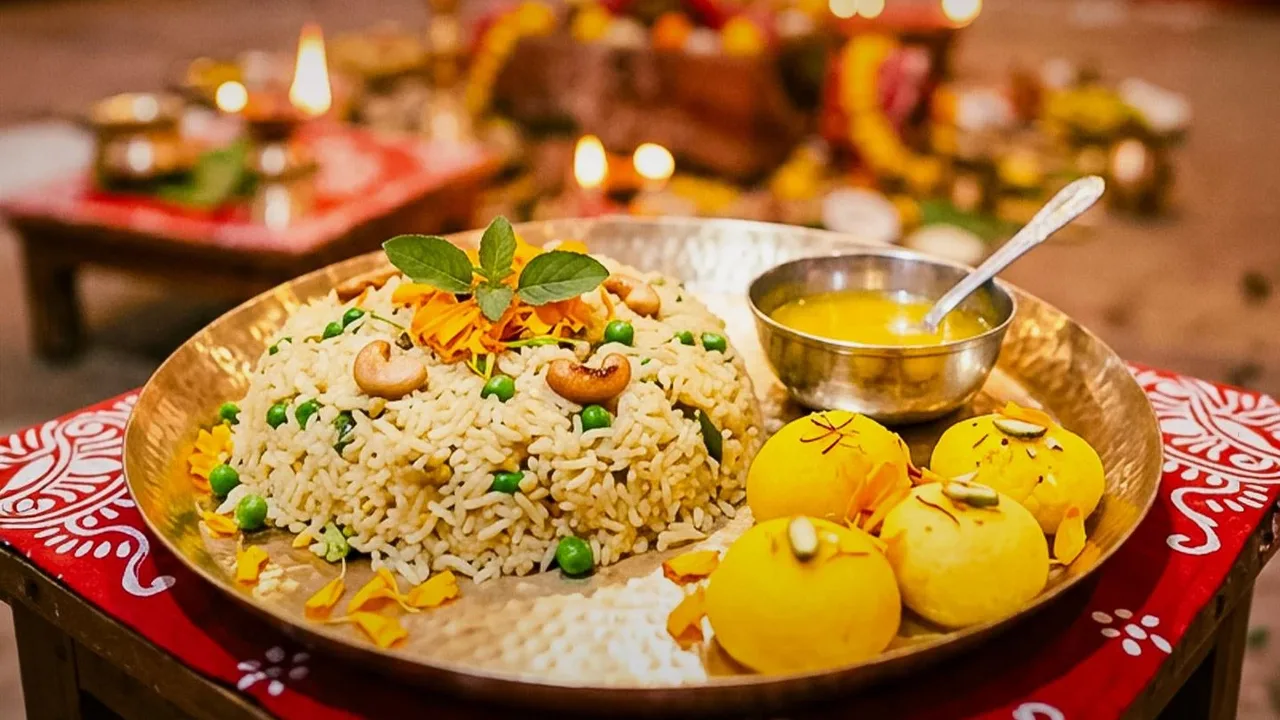
No Indian feast is complete without its essential carbohydrate companions. From Bengal, the classic combination of Luchi and Aloor Dum is a must. Luchi are fluffy, deep-fried flatbreads made from refined flour that puff up into golden orbs. They are the perfect vehicle for Aloor Dum, a slow-cooked, spicy, and slightly sweet potato curry that is a beloved festive dish. For a rice dish that is a meal in itself, look to Karnataka's Bisibelebath. The name translates to 'hot lentil rice dish', and it’s a flavourful, tangy, and aromatic one-pot preparation of rice, toor dal, mixed vegetables, and a special spice powder known as Bisi Bele Bath masala. It is often finished with a tempering of ghee, mustard seeds, and cashews.
The Sweet Finale: Desserts
End your feast on a high note with desserts that carry the warmth of tradition. Puran Poli from Maharashtra is a classic festive sweet. It's a soft, sweet flatbread stuffed with a delicious filling made from cooked chana dal (split chickpeas), jaggery, cardamom, and nutmeg, often served warm with a generous dollop of ghee. For a unique and impressive finale, consider Chhena Poda from Odisha. Literally meaning 'burnt cheese', this dessert is made from fresh, soft cottage cheese (chhena) that is sweetened, mixed with nuts and cardamom, and then baked until it develops a beautifully caramelized, brown crust while the inside remains soft and creamy. It is a testament to the happy accidents of culinary history, believed to have been invented when a confectioner left leftover sweetened chhena in a warm oven overnight.