








Embrace the Weekend Prep
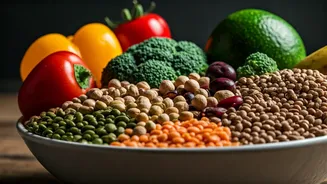
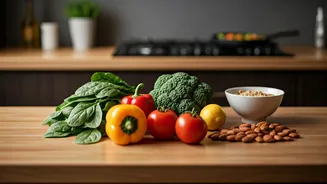
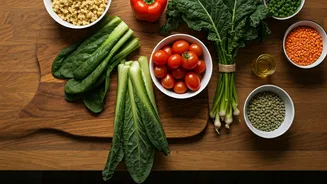
The secret to a healthy week is a productive Sunday. You don’t need to cook all your meals in advance, but an hour of prep can save you from ordering junk food on a tiring Tuesday night. Boil a batch of chickpeas (chana) or kidney beans (rajma). Soak
a few different types of dals. Chop common vegetables like onions, tomatoes, and capsicum and store them in airtight containers. You can even make a ginger-garlic paste that will last the week. When you get home late, half your work is already done. A quick tadka is all it takes to turn pre-boiled dal into a comforting, protein-rich meal in under 15 minutes.
Upgrade Your Desk Snacks
The 4 PM slump is real, and it’s when most of us reach for chai and biscuits or a packet of chips. This is a crucial moment to make a better choice. Create a “snack drawer” at your desk. Stock it with options that provide sustained energy, not a sugar crash. Think roasted makhana (fox nuts), a mixed jar of almonds, walnuts, and seeds (pumpkin, sunflower), or small packs of roasted chana. Even a simple fruit like a banana or an apple provides fibre and essential vitamins. This small change prevents mindless munching and keeps your energy levels stable through the end of the workday.
Master the 15-Minute Protein Meal
Lack of protein is a common concern in vegetarian diets, and it's vital for staying full and maintaining muscle mass. You need quick protein sources that don’t require complex cooking. Paneer and tofu are your best friends here. A simple paneer bhurji (scrambled cottage cheese) with onions and tomatoes takes less than 10 minutes to cook. A besan chilla (gram flour pancake) is another fantastic option, ready in minutes and packed with protein. You can also whip up a quick sprout salad by mixing pre-sprouted moong with chopped onions, tomatoes, and a squeeze of lemon. These meals are faster than waiting for a food delivery.
Make Your Dabba Work Smarter
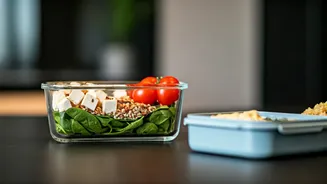
Your lunch dabba is your primary defence against unhealthy office canteen food. To make it nutritionally complete, follow a simple rule: one part grain, one part sabzi, and one part protein. The protein is often what’s missing. Add a small container of thick dahi (yoghurt), a handful of roasted peanuts to your poha or upma, or a small bowl of dal or sprouts alongside your roti and sabzi. If you're having rice, make it a pulav with added soya chunks or paneer. This balanced approach ensures you’re not just eating carbs, but a well-rounded meal that will prevent post-lunch sleepiness.
Hydration with a Nutrient Boost
We often mistake thirst for hunger. Staying hydrated is key, but you can also use your liquids to sneak in extra nutrients. Instead of reaching for a sugary soda or a third cup of coffee, try alternatives. A glass of buttermilk (chaas) is a brilliant probiotic and aids digestion. Sattu powder mixed in water with a pinch of black salt and lemon is a traditional superfood—it’s cooling, filling, and a great source of protein and fibre. Infusing your water bottle with slices of lemon, cucumber, and mint can also make drinking water more appealing throughout the day.
Be Smart About B12 and D
Two nutrients that are notoriously difficult to get from a vegetarian diet are Vitamin B12 and Vitamin D. Vitamin B12 is crucial for nerve function and energy, while Vitamin D is essential for bone health and immunity. While some fortified foods like certain milks, cereals, and nutritional yeast can help, they are often not enough, especially for busy professionals who spend most of their time indoors. It's wise to get your levels checked annually. Don't hesitate to consult a doctor about supplementation. Taking a prescribed supplement is a simple and effective hack to cover these common nutritional gaps without any extra effort.