








Why Timing Is Everything
The headline's mention of "shorter loading windows" points to the single most critical factor in a monsoon move: minimising your belongings' exposure to rain. This isn't just about rushing; it's about strategic efficiency. Professional movers recommend
planning your move for the early morning, as monsoon showers are often less intense then. A shorter loading window means having everything packed, sealed, and ready to go before the truck arrives. Stage boxes in a garage or a room closest to the exit to shorten the distance they travel in the open. This efficiency relies on clear communication with your moving crew about the urgency of a quick, coordinated loading and unloading process to beat the next downpour.
The Non-Negotiable Need for Better Covers
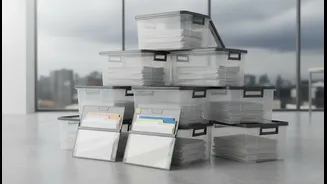
Standard cardboard boxes are your worst enemy in a monsoon. They lose structural integrity almost immediately when damp, risking a collapse that could damage your items. "Better covers" means going beyond basic cardboard. The gold standard is a multi-layered defence. Start by lining cardboard boxes with heavy-duty plastic bags. For extra protection, especially for electronics, books, and documents, use plastic bins or crates. For furniture, mattresses, and other large items, simple dust covers are not enough. Insist on thick plastic shrink wrap or waterproof tarpaulins to create a complete moisture barrier. A reputable moving company should have these materials readily available; if they don't, consider it a major red flag.
Rethink Your Packing Strategy
A monsoon move demands a different packing mindset. Before you even start, separate your most water-sensitive items—electronics, important documents, and wooden furniture. These items should be packed with extra care, using materials like silica gel packets inside boxes to absorb ambient moisture, which can be just as damaging as direct rain. Mark these boxes clearly as vulnerable and instruct your movers to load them onto the truck last and unload them first. This minimises their time in transit and ensures they are the first things brought into the safety of your new home. For wooden furniture, pay special attention to joints and edges where water can easily penetrate and cause swelling or warping.
Preparing Both Your Homes
The risk doesn't end once the items are off the truck. Wet, muddy feet will be trekking in and out of both your old and new homes, creating slippery floors and a mess. Before the movers arrive, lay down protective coverings like old rugs, towels, or sturdy cardboard sheets at entrances and along high-traffic pathways. This simple step prevents slips and protects your floors from water damage. Have a supply of dry towels ready at the new house to immediately wipe down any items that may have gotten wet during the short journey from the truck to the door. At the new property, avoid placing furniture directly against walls, which can hold moisture, and allow for air circulation to prevent mould.
Choosing the Right Moving Partner
Not all packers and movers are equipped for the challenges of the rainy season. When vetting companies, ask specific questions about their monsoon procedures. Do they use closed-body, waterproof trucks? Do they provide multi-layer waterproof packing materials as standard? It is crucial to book a reliable mover well in advance—at least two to three weeks—as the best crews get booked up quickly during the monsoon. Given the potential for traffic jams and waterlogging, also confirm that their truck has GPS tracking and discuss contingency plans for weather-related delays. Investing in a mover experienced with monsoon conditions is your best insurance against a wet and stressful moving day.