

The Monsoon Effect: A Perfect Storm for Germs
The defining feature of the monsoon season isn't just the rain—it's the humidity. High moisture levels in the air create the ideal breeding ground for bacteria, mould, and other microorganisms. When the air is damp, these microbes can multiply with astonishing
speed, and food is their prime target. While this affects many foods, cooked dishes are particularly vulnerable. The combination of moisture in the atmosphere and nutrients in the food offers a perfect environment for pathogens like E. coli and Salmonella to thrive, often without any obvious smell or change in appearance.
Why Cooked Food Is So Susceptible
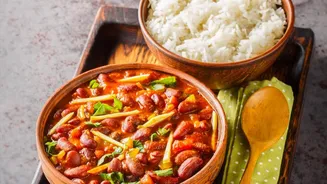
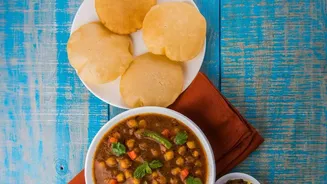
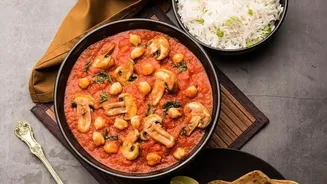
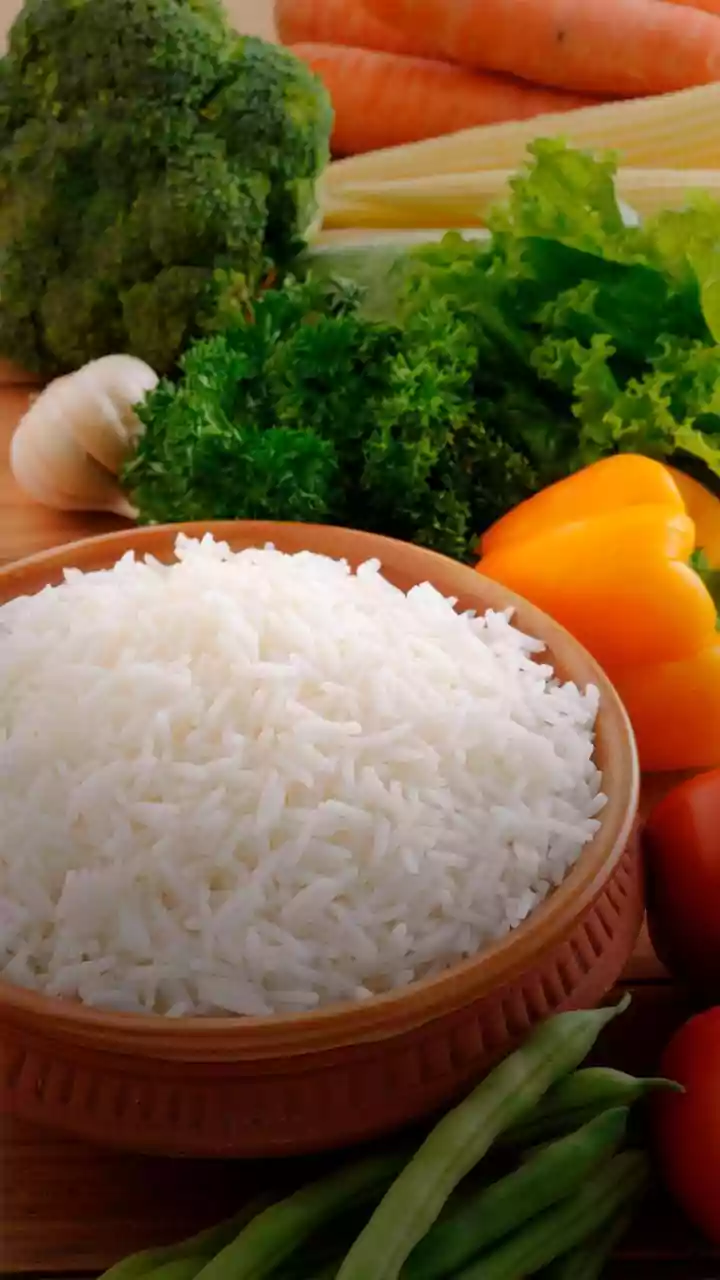
A common habit in many homes is to let freshly cooked food cool down on the kitchen counter for a few hours before putting it away. During the monsoon, this practice is especially risky. The period when food cools from hot to room temperature is known as the 'danger zone' (typically between 5°C and 60°C). In this temperature range, bacteria grow fastest. The high humidity of the monsoon season accelerates this process significantly. Cooked rice, lentils (dal), curries, and meat dishes contain the moisture and nutrients that germs need to flourish, turning a perfectly safe meal into a potential source of food poisoning within hours.
The Two-Hour Rule: Your First Line of Defence
To combat this risk, food safety experts recommend a simple but strict guideline: the two-hour rule. Any perishable food, including cooked leftovers, should be refrigerated within two hours of being cooked. During particularly hot and humid weather, this window shrinks to just one hour. Cooling food rapidly denies bacteria the time they need to multiply to dangerous levels. To help food cool down faster, transfer large quantities from the cooking pot into smaller, shallow containers. This increases the surface area and allows the heat to dissipate more quickly before you place it in the fridge.
Smart Storage for Safer Leftovers
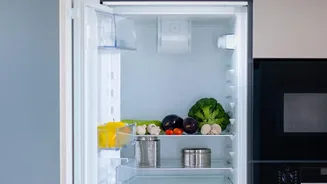
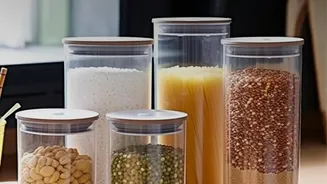
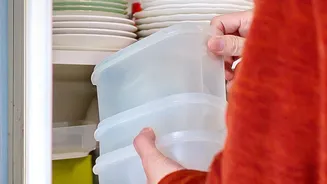
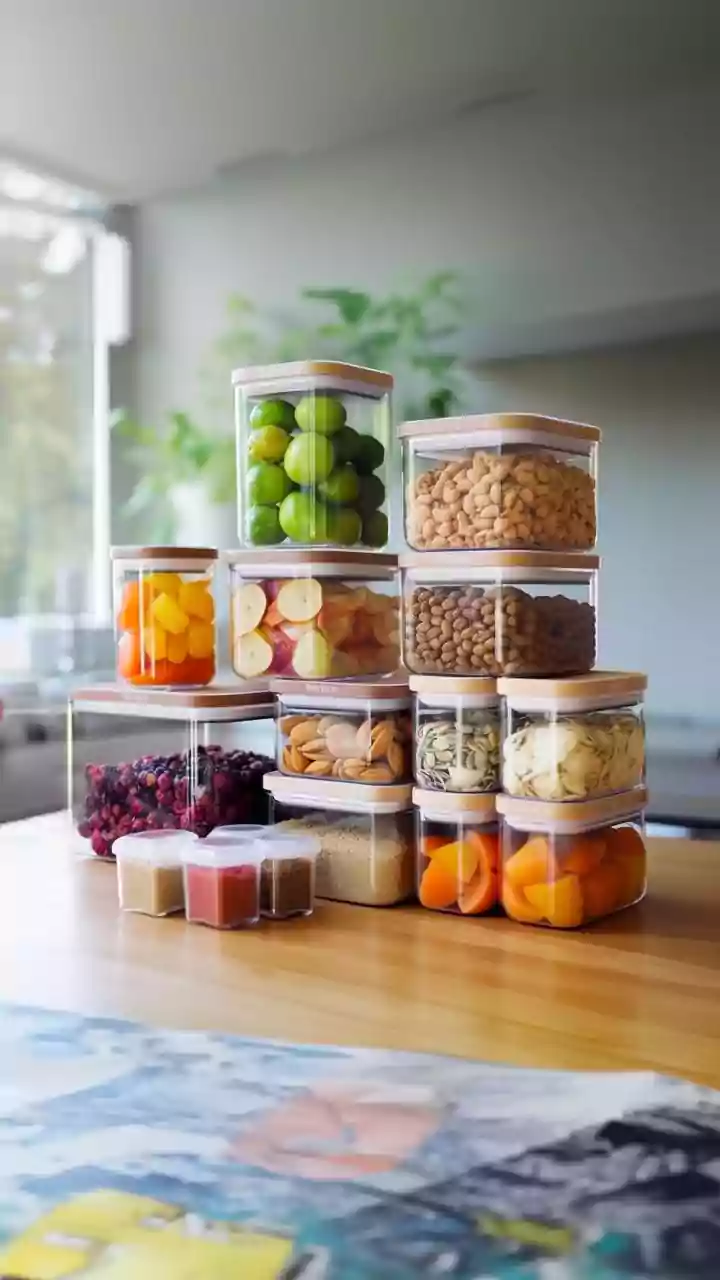
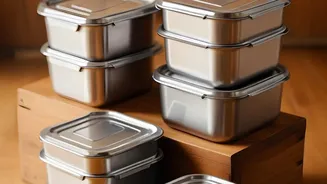
Proper storage is just as crucial as prompt refrigeration. Always use airtight containers to store leftovers. This prevents moisture from the air from getting in and stops contaminants from spreading inside your refrigerator. It's also important not to overpack your fridge; cold air needs to circulate to keep everything at a safe temperature. Keep cooked food on shelves above raw meats and vegetables to prevent any drips from raw items from contaminating your ready-to-eat leftovers. Labelling containers with the date can also help you keep track of how long something has been stored.
The Art of Reheating Thoroughly
When it's time to eat your leftovers, simply warming them up is not enough. You must reheat food until it is steaming hot all the way through to kill any bacteria that might have developed during storage. The globally recommended safe internal temperature for reheating leftovers is 74°C (165°F). Whether you are using a microwave or the stovetop, ensure the food reaches this temperature. If using a microwave, stir the food halfway through to ensure there are no cold spots where bacteria can survive. Soups, sauces, and curries should be brought to a rolling boil.
When in Doubt, Throw It Out
While our senses of smell and sight are useful tools, they are not foolproof indicators of food safety. Many dangerous bacteria do not produce any off-odours or cause visible spoilage, even when present in harmful amounts. If you have any uncertainty about how long a dish has been left out or whether it was stored correctly, the safest course of action is to discard it. The risk of contracting a foodborne illness like gastroenteritis, diarrhoea, or cholera—all of which see a spike during the monsoon—is simply not worth it. Remember this simple mantra: when in doubt, throw it out.