





Why Old Information Is a Travel Trap
Travel conditions can change in the blink of an eye. What was true six months ago about a country's visa policy or a city's public transport might be completely wrong today. The internet is filled with beautifully written but obsolete travel advice. A
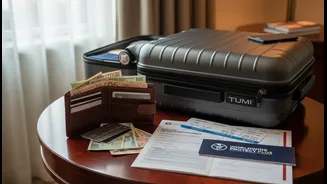
blog post from 2022 won't mention the new tourist taxes introduced in many popular European and Asian destinations in 2026. For example, numerous cities in the U.S. and countries like the Netherlands have recently increased taxes on overnight accommodations. These fees, meant to manage over-tourism and support local infrastructure, can add a significant amount to your budget if you haven't planned for them. Relying on an old guide could mean showing up at a museum that's closed for renovation or expecting a bus service that no longer runs. Even AI-powered travel planners can provide outdated information on flights, costs, and local laws, making verification essential.
The High-Stakes Details You Must Verify
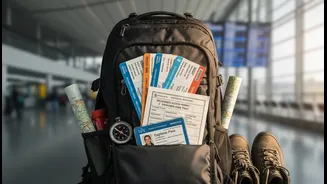
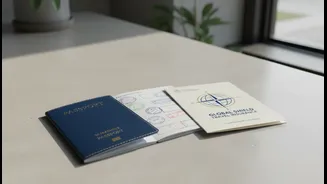
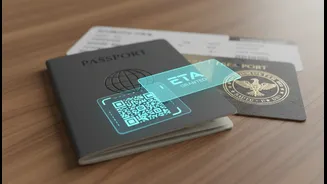
While getting the opening hours wrong for a cafe is a minor inconvenience, some outdated information can derail your entire trip. Focus your verification efforts on the absolute essentials. First and foremost are entry, exit, and visa requirements. These are non-negotiable. For instance, starting in late 2026, many non-EU citizens, including those from the U.S., will need an ETIAS authorization to enter 30 European countries. This is an entirely new requirement that didn't exist in previous years. Always check your passport's validity, as many nations require it to be valid for at least six months beyond your return date. Secondly, confirm all major fees. This includes new tourist levies, airport taxes, and road tolls. Lastly, double-check major transportation schedules, especially for trains and ferries, as these can change seasonally or be affected by infrastructure projects.
How to Become a Digital Detective
Vetting your sources is a crucial skill for the modern traveler. When reading a blog post or online article, hunt for a publication or 'last updated' date. If you can't find one, be skeptical. Information without a date is timeless at best and dangerously inaccurate at worst. For forum advice on sites like Quora or Reddit, always check the date of the post and the replies. A solution that worked for someone in 2023 might not apply today. Pay attention to the source itself. Is it an official government website, a reputable news organization, or a personal blog? While personal stories are valuable for inspiration, they are not a reliable source for hard facts like visa rules. Cross-referencing is your best friend. If you read something important on a blog, try to confirm it with an official source.
Your Go-To Sources for Fresh Information
The most reliable information comes from primary sources. For visa and entry rules, the single most trustworthy place is the official embassy or consulate website for the country you plan to visit. For U.S. citizens, the State Department's website is an essential resource, providing detailed, country-specific information on entry requirements and travel advisories. The IATA Travel Centre is another excellent, up-to-date resource used by airlines to verify passenger document requirements. When it comes to local information like attraction opening times or new tourist fees, check the official tourism board website for the city or country. For hotel-specific fees or policies, the most direct approach is often the best: call or email the hotel directly before you book.
Real-Time Checks Before You Go
As your departure date nears, it's wise to do one final round of checks. Airline systems and government databases, while generally reliable, can experience failures or be built on outdated technology, leading to unexpected disruptions. Enrolling in a program like the U.S. State Department's free Smart Traveler Enrollment Program (STEP) can be invaluable. It provides real-time alerts about your destination, from security issues to sudden changes in entry requirements, and helps the embassy locate you in an emergency. For on-the-ground conditions, social media can be surprisingly useful. Search for recent posts or location tags for a specific restaurant or park to see what it's like right now. This can give you a real-time feel for crowds, conditions, and any temporary closures not mentioned on official sites.