


The Science Behind the Sparkle
What we call a firefly’s ‘light’ is actually a marvel of biochemistry known as bioluminescence. It’s not magic, but it might as well be. Inside their lower abdomens, these beetles have specialised organs where a chemical reaction takes place. It involves
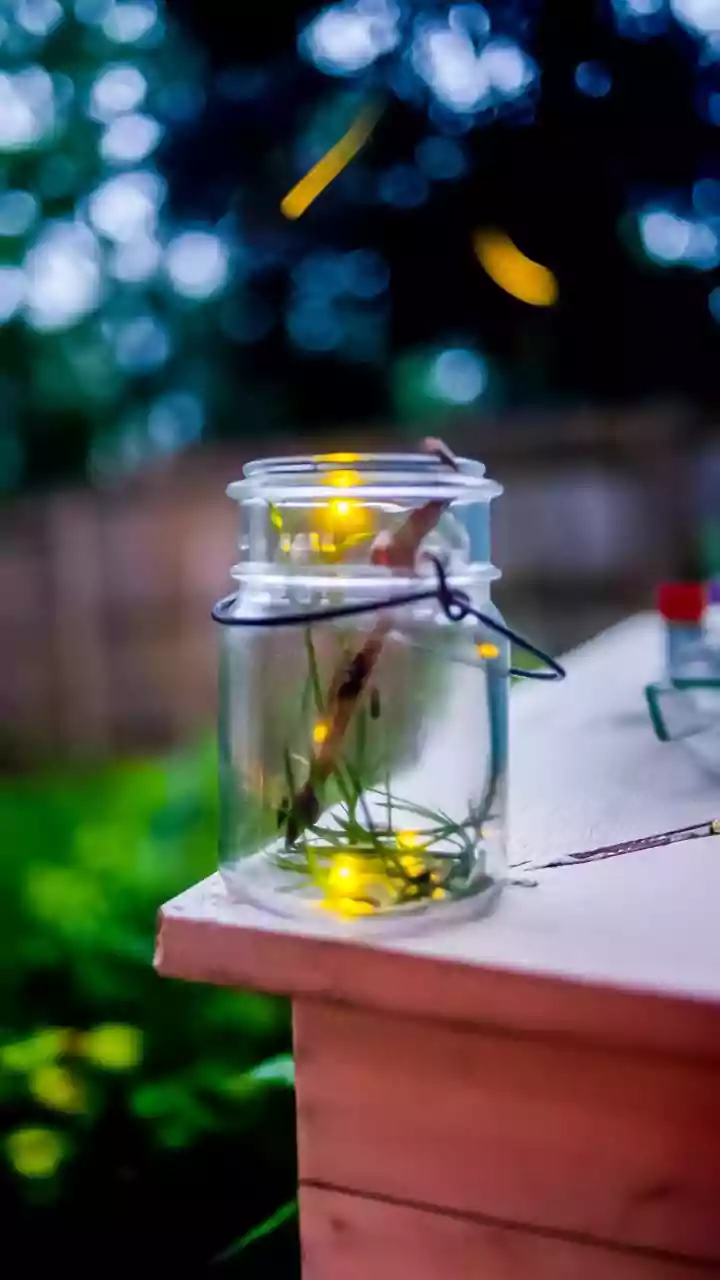
a substance called luciferin, an enzyme called luciferase, oxygen, and ATP (the energy currency of all living cells). When these components mix, they produce light without generating heat—a 'cold light' that is incredibly efficient. Unlike a light bulb that wastes most of its energy as heat, nearly 100% of the energy in this reaction becomes light. This process allows the firefly to glow on command, creating the pulsating patterns that mesmerise us.
A Dazzling Language of Light
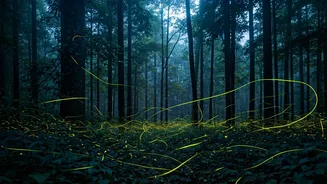
Those mesmerising flashes aren't just for show; they are a complex language. Each flicker and pulse is a carefully crafted message. Primarily, it's a language of love. Males fly around, flashing a specific pattern unique to their species. A receptive female, usually perched on a leaf or blade of grass, will watch and respond with her own species-specific signal. This silent, sparkling conversation allows them to find each other in the dark to mate. But the light serves other purposes, too. Some species use their glow to warn predators that they are unpalatable, as their bodies contain defensive steroids. In a more sinister twist, females of some 'femme fatale' Photuris firefly species mimic the flash patterns of other species to lure in unsuspecting males and eat them.
India's Luminous Landscapes
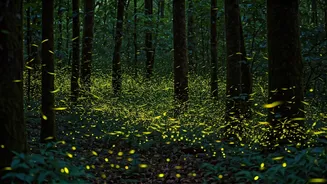
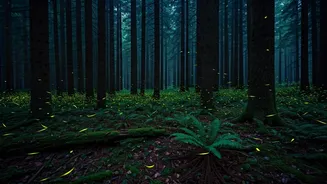
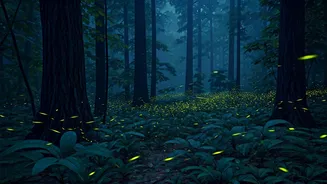
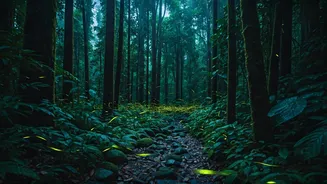
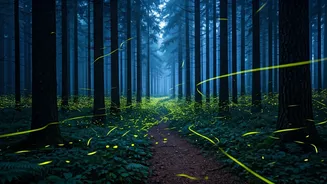
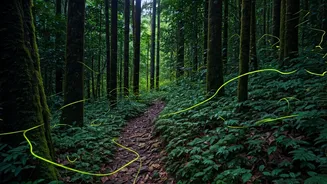
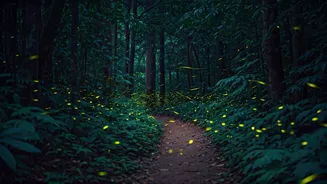
In India, the arrival of fireflies is a celebrated natural event, heralding the pre-monsoon season in late May and June. While they can be found in many rural and forested areas, some places are famous for their spectacular congregations. The Western Ghats, a biodiversity hotspot, come alive with millions of fireflies in synchronous displays. In Maharashtra, villages like Purushwadi have become famous for their annual Firefly Festival, where tourists can witness entire trees and fields illuminated by the insects' collective glow. These gatherings are not just beautiful; they are critical breeding events. The sheer density of fireflies creates an overwhelming spectacle, a city of lights built by nature itself.
Why the Lights Are Fading
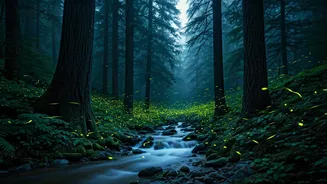
Unfortunately, this magical light show is dimming across the country and the world. Firefly populations are in decline, and the reasons are largely man-made. The biggest threat is light pollution. The constant glow from streetlights, buildings, and vehicles overwhelms the fireflies' delicate signals, making it impossible for them to find mates. It’s like trying to have a whispered conversation at a rock concert. Habitat loss is another major factor. As we pave over meadows, clear forests for development, and drain wetlands, we destroy the specific environments fireflies need to complete their life cycle. Many firefly larvae are aquatic or live in moist soil, making them vulnerable to water pollution and land degradation. Finally, the widespread use of pesticides in agriculture kills fireflies and their prey, such as snails and slugs, indiscriminately.
How We Can Keep the Glow Alive
The good news is that we can all play a part in protecting these enchanting creatures. The simplest step is to reduce artificial light. Turn off unnecessary outdoor lights at night, use motion sensors, or install downward-facing fixtures that minimise sky-glow. In your own garden, you can create a firefly-friendly habitat by leaving some areas untamed with long grass and native plants. Avoid using broad-spectrum pesticides and let natural predators control pests. Allowing leaf litter to accumulate provides shelter for firefly larvae. By taking these small, conscious steps, we can help ensure that the darkness continues to hold a little bit of its natural, sparkling magic.