


More Than Skin Deep
In Ayurveda, the 5,000-year-old system of holistic medicine from India, beauty is not a superficial pursuit but a reflection of inner health. This philosophy was at the heart of royal wellness routines. It wasn't about finding a quick fix for a blemish,
but about maintaining a harmonious balance between mind, body, and spirit. True radiance, according to these traditions, comes from within. The skin is seen as an indicator of your overall well-being, reflecting everything from your diet to your state of mind. This approach defines beauty through three pillars: Roopam (outer beauty), Gunam (inner beauty), and Vayastyag (lasting beauty).
The Ritual of Ubtan
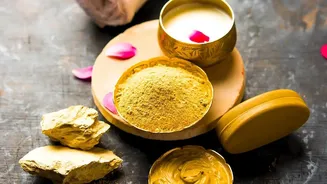
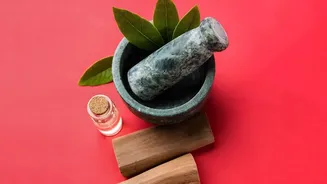
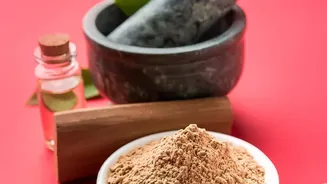
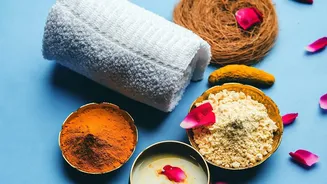
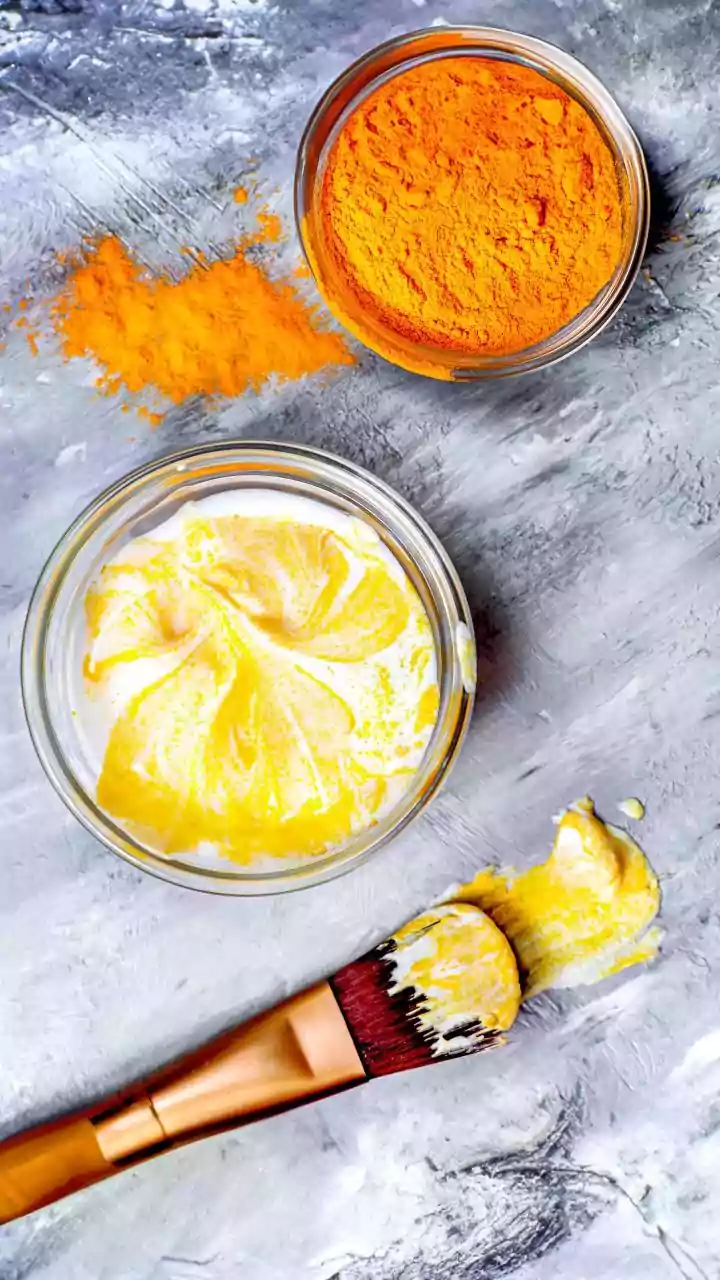
One of the most famous royal beauty rituals is the use of 'ubtan'. Far from a modern face mask, ubtan is a traditional Ayurvedic cleanser and exfoliator made from a blend of natural ingredients. Historically, it was a key part of bridal rituals to purify and illuminate the skin before a wedding. A typical ubtan paste includes gram flour (besan), turmeric (haldi), sandalwood (chandan), and a liquid like milk or rose water. Each ingredient is chosen for its specific properties: gram flour cleanses, turmeric provides a glow and has anti-inflammatory benefits, while sandalwood cools and soothes the skin. This combination gently removes dead skin cells, revealing softer, more radiant skin without the harshness of chemical exfoliants.
The Science of Nature's Best
While these traditions sound enchanting, many of the core ingredients are now being validated by modern science. Turmeric's active compound, curcumin, is known for its powerful anti-inflammatory and antioxidant properties, which can help calm the skin and protect it from environmental stressors. Sandalwood oil also possesses antimicrobial and anti-inflammatory qualities, making it effective for soothing irritation and toning the skin. Saffron, often called 'red gold' and linked with royalty, is rich in antioxidants that can help brighten the complexion and even out skin tone. The goal of these ingredients isn't to create an overnight transformation but to work with the skin's natural processes to restore balance and health over time.
Abhyanga: The Art of Self-Massage
Another cornerstone of Ayurvedic self-care is Abhyanga, the practice of massaging the body with warm, herb-infused oil. This ritual is more than just a moisturising treatment; it's a practice of self-love intended to calm the nervous system, improve circulation, and nourish the body's tissues. Oils are often chosen based on an individual’s 'dosha' or body constitution. The massage uses gentle, rhythmic strokes to help lubricate joints, improve skin texture, and promote a sense of grounding and well-being. Allowing the oil to soak in for a few minutes before a warm bath helps it penetrate deeply, leaving the skin feeling nourished and soft.
Adopting the Ritual, Not the Hype
Incorporating these royal traditions into a modern lifestyle doesn't require a palace or a team of attendants. It’s about embracing the philosophy of mindful self-care. It means understanding that healthy skin is connected to a balanced diet, proper hydration, and a calm mind. You can create a simple ubtan with kitchen ingredients or practice a weekly oil massage. The key, as the ancients knew, is consistency and intention. The promise of Ayurveda isn't a miraculous transformation but a return to a state of natural balance, where beauty is a symptom of overall health and vitality.