



The All-Rounder Unicorn
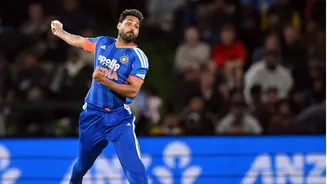
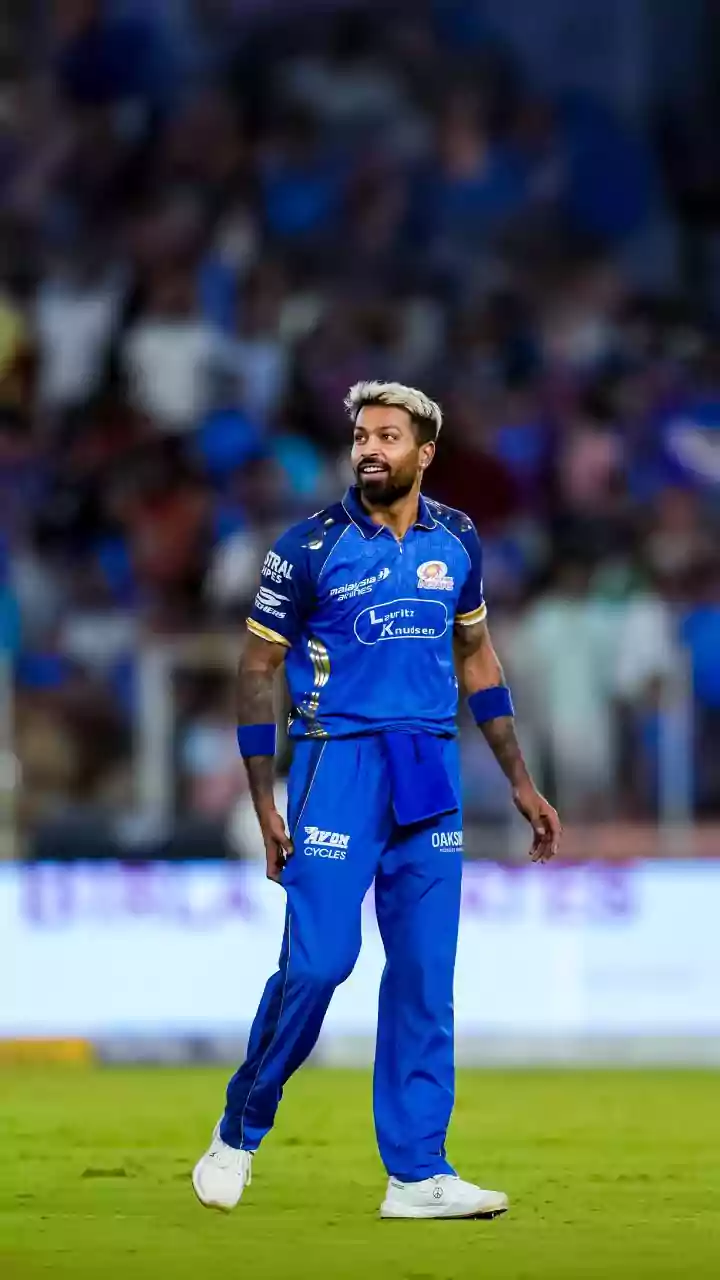
In the world of cricket, a genuine pace-bowling all-rounder is a rare and coveted asset. For India, Hardik Pandya has been that unicorn. When fully fit, he provides the tactical flexibility that captains dream of. He can clock speeds of over 140 kph,
break partnerships with clever bowling, and then walk in to demolish an attack with the bat in the death overs. This dual ability allows India to field an extra specialist, whether a batsman or a bowler, creating a perfectly balanced side that seems, on paper, unbeatable. His presence lengthens the batting order and adds a crucial sixth bowling option, a luxury few teams possess. This is why, despite everything, the management remains invested in him; players of his kind are not just recruited, they are game-changers who define eras. His value isn't just in runs and wickets, but in the strategic depth he offers.
The Unrelenting Injury Cycle
The 'gamble' part of the equation is painfully clear: Pandya's fitness. Since the IPL 2026 season, he has been in a constant state of rehabilitation. Back spasms, a quadriceps strain, and most recently, a shin injury have kept him off the field. Reports in October 2026 confirmed that he would miss the remainder of the year and would likely not return to professional cricket until the IPL in 2027. This isn't a new problem but a recurring theme that has plagued his career. Each time he seems on the verge of a return, a fresh setback occurs, derailing not only his comeback but also the team's preparations for major tournaments like the 2027 ODI World Cup. This cycle of injury and recovery has meant he has played very little cricket, raising serious questions about his durability and long-term reliability.
The Ripple Effect on Team Balance
Hardik Pandya's availability, or lack thereof, has a direct and significant impact on India's team composition. When he can bowl his full quota of overs, the team's structure is formidable. However, when he is only fit to play as a specialist batsman, the balance is severely compromised. It forces the team to choose between a sixth bowler and a deeper batting line-up, a decision that can backfire under pressure. As former captain Sourav Ganguly noted, the need for a seaming all-rounder is particularly critical in overseas conditions like South Africa, where the 2027 World Cup will be held. Without a top-order batsman who bowls, Pandya's role becomes even more crucial. His absence forces selectors to look for alternatives like Nitish Reddy, but experts agree there is a clear drop in quality. Sunil Gavaskar went as far as to say Pandya is 'irreplaceable', suggesting India should stop looking for a like-for-like substitute and instead build a team with a different structure.
The Verdict: A Necessary but High-Stakes Gamble
So, where does that leave Indian cricket? To persist with Pandya is to invest in a high-risk, high-reward asset. The 'luxury' is the vision of a perfectly balanced, world-beating team that he enables when fit. The 'gamble' is the stark reality of his physical fragility, which has made him an infrequent contributor. The constant waiting and the disruption his fitness issues cause are a major challenge for head coach Gautam Gambhir and the selectors. He hasn't been able to consistently bowl a full ten overs in ODIs for some time, a mandatory requirement for him to fulfill his role effectively. Yet, the sheer potential he holds means the management is willing to take that chance. He remains central to India's World Cup plans because the alternative is to settle for a combination that feels incomplete. The consensus among experts is that while his fitness is a massive concern, a fit Hardik Pandya is invaluable.