




The Gut-Brain Connection: More Than a Feeling
We've all experienced 'gut feelings' or 'butterflies in the stomach'. These are not just metaphors; they are real-time manifestations of the gut-brain axis. This is a complex bidirectional communication network connecting your central nervous system (your
brain and spinal cord) with your enteric nervous system, the millions of nerve cells lining your gut. This network uses neural, hormonal, and immune pathways to constantly send messages back and forth. Essentially, your brain is always monitoring your gut, and in turn, your gut can significantly influence your mood, stress levels, and even cognitive functions like focus and memory. This constant dialogue means that the health of one directly impacts the other.
Meet the Key Players: Fiber and Probiotics
To improve this gut-brain communication, two key dietary components are essential: fermentable fibers (also known as prebiotics) and probiotics. Probiotics are the live, beneficial bacteria that reside in your gut. They are found in fermented foods and help maintain a healthy gut environment. Think of them as the friendly residents of your digestive system. Prebiotics, on the other hand, are the food for these friendly bacteria. They are specific types of dietary fibers that your body cannot digest. Instead, they travel to the colon where they are fermented by your gut microbes. This fermentation process is crucial, as it nourishes the good bacteria, helping them thrive.
How a Happy Gut Cultivates a Sharp Mind
When your beneficial gut bacteria feast on fermentable fibers, they produce powerful compounds called short-chain fatty acids (SCFAs). These molecules are superstars of the gut-brain axis. They can travel through the bloodstream and cross the blood-brain barrier, where they help reduce inflammation, support the production of crucial brain-growth factors, and maintain healthy neural networks. Furthermore, a healthy gut microbiome plays a vital role in producing and regulating neurotransmitters like serotonin and GABA. Serotonin, often called the 'happy hormone,' is overwhelmingly produced in the gut and is crucial for mood regulation. By providing your gut with the right fuel, you are essentially helping it create the very chemicals your brain needs to feel balanced, focused, and calm.
Fueling Your Focus: What to Add to Your Plate
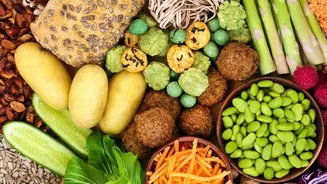
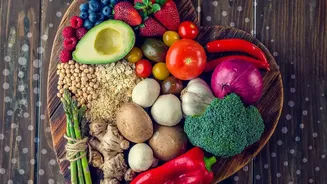
Incorporating these foods into a traditional Indian diet is simpler than you might think. Many staples are already rich in these nutrients. For probiotics, look towards naturally fermented foods. Homemade dahi (curd) and chaas (buttermilk) are excellent daily sources. The fermented batters used for idli and dosa are also teeming with beneficial bacteria. For your prebiotic fix, focus on fermentable fibers found in everyday ingredients. Onions and garlic, the base of most Indian cooking, are prebiotic powerhouses. Lentils and legumes like dal, chana, and rajma are packed with gut-friendly fiber. Whole grains like jowar, bajra, and ragi, as well as bananas (especially slightly unripe ones), are also fantastic sources of the fiber that feeds your good gut bacteria. Pairing these foods, such as having dal with a side of dahi, creates a powerful symbiotic effect.