



Tired of the same old breakfast? Your pantry holds the secret to a world of flavour. Unlock the versatility of Upma, a beloved Indian breakfast staple, with these quick, easy, and delicious regional variations you can whip up any morning.
The Classic: Rava Upma
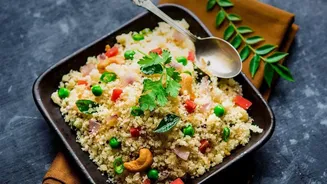
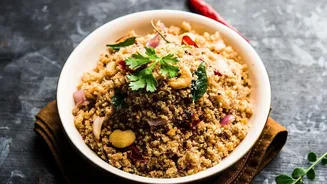
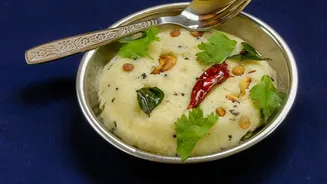
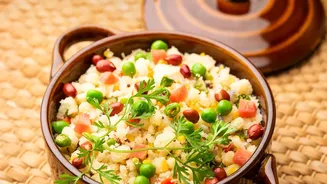
This is the Upma
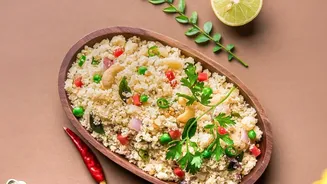
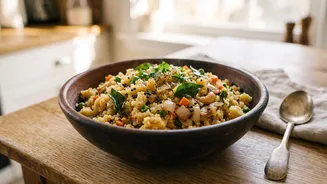
that started it all, a comforting and familiar dish across India. Made from semolina (rava or sooji), a common ingredient in most Indian pantries, this version is the perfect canvas for a quick and filling meal. The preparation is simple: dry roast the rava until fragrant, then prepare a tempering of mustard seeds, curry leaves, and perhaps some chana and urad dal for crunch. Sautéed onions and green chillies add a foundational layer of flavour. Hot water is then added to the roasted semolina, which cooks in minutes to a soft, fluffy consistency. It’s a versatile dish that can be kept plain or enhanced with whatever vegetables you have on hand, like peas or carrots.
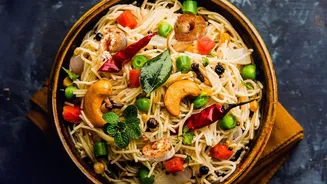
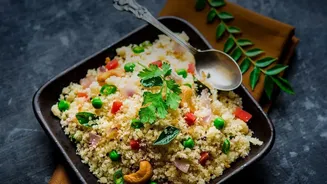
The Noodle Twist: Semiya Upma
For a delightful change in texture, look no further than Semiya Upma. Made from roasted vermicelli, another pantry hero, this dish is especially popular in South India and is often called 'noodle upma' by kids. The process is similar to its rava cousin, beginning with a fragrant tempering of spices. Vegetables like carrots, beans, and peas are often added to make it more nutritious and colourful. The key is to use the right amount of water and cook the vermicelli until it's tender but not mushy, resulting in distinct, flavourful strands. It's a fantastic one-pan meal that comes together in under 25 minutes, making it ideal for busy mornings.
The Ultimate Leftover Hack: Bread Upma
Have a few slices of bread lying around that are a day or two old? Bread Upma is the answer. This ingenious dish transforms stale bread into a spicy, tangy, and incredibly satisfying breakfast. The bread is typically toasted until crisp and then torn or cut into small pieces. A separate masala base is created by sautéing onions, tomatoes, ginger, and green chillies with spices like turmeric and chilli powder. The toasted bread pieces are then tossed into this flavourful mixture until they are well-coated and have absorbed the flavours. It's a fantastic way to minimise food waste while creating a breakfast that is bursting with flavour and ready in a flash.
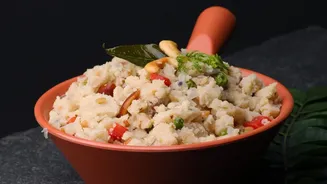
The West Indian Favourite: Poha Upma
While often known simply as Poha, this dish from Western India, particularly Maharashtra, fits perfectly into the Upma family. It uses flattened rice (poha or aval), a staple that requires no extensive cooking. The poha is first rinsed gently to soften it. A tempering of mustard seeds, curry leaves, and often peanuts or cashews is prepared, followed by sautéed onions and sometimes potatoes. The softened poha is then added to the pan with turmeric, salt, and a hint of sugar, and gently mixed. Finished with a squeeze of lemon juice and fresh coriander, Aval Upma is light, nutritious, and incredibly quick to prepare.
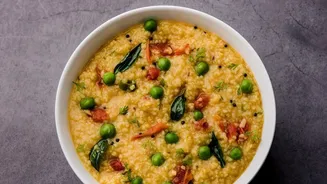
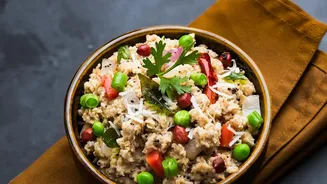
The Karnataka Special: Khara Bath
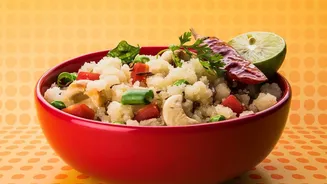
Known as Khara Bath in Karnataka, this is a richer, spicier, and more aromatic version of the classic rava upma. While it shares the same base ingredient—semolina—it stands apart due to its unique spice blend. The tempering often includes not just mustard seeds and dals but also a special masala powder, sometimes similar to a sambar powder or a dedicated 'vangi bath' powder, which gives it a distinctive taste and aroma. It is almost always made with a generous amount of vegetables like carrots, beans, and tomatoes. A final garnish of grated coconut and a squeeze of lime juice elevates it further, offering a more complex and savoury breakfast experience.