


The Power of Wholegrains
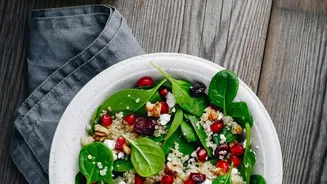
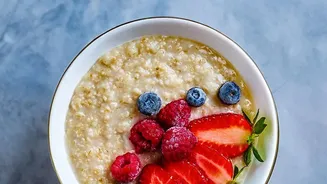
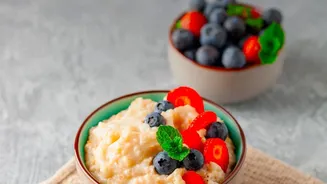
Unlike refined grains (like white rice and maida) which are stripped of their most nutritious parts, wholegrains contain the entire kernel: the bran, germ, and endosperm. This 'complete package' is rich in fibre, B vitamins, iron, magnesium, and antioxidants.
A diet rich in wholegrains is linked to numerous health benefits, including a reduced risk of heart disease, type 2 diabetes, and better weight management. The high fibre content aids digestion, helps you feel fuller for longer, and prevents the sharp blood sugar spikes often associated with refined carbohydrates.
Easy Wholegrain Swaps for the Indian Kitchen
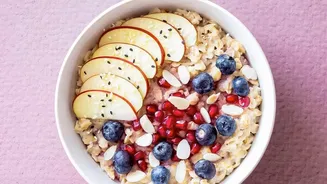
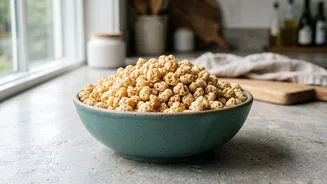
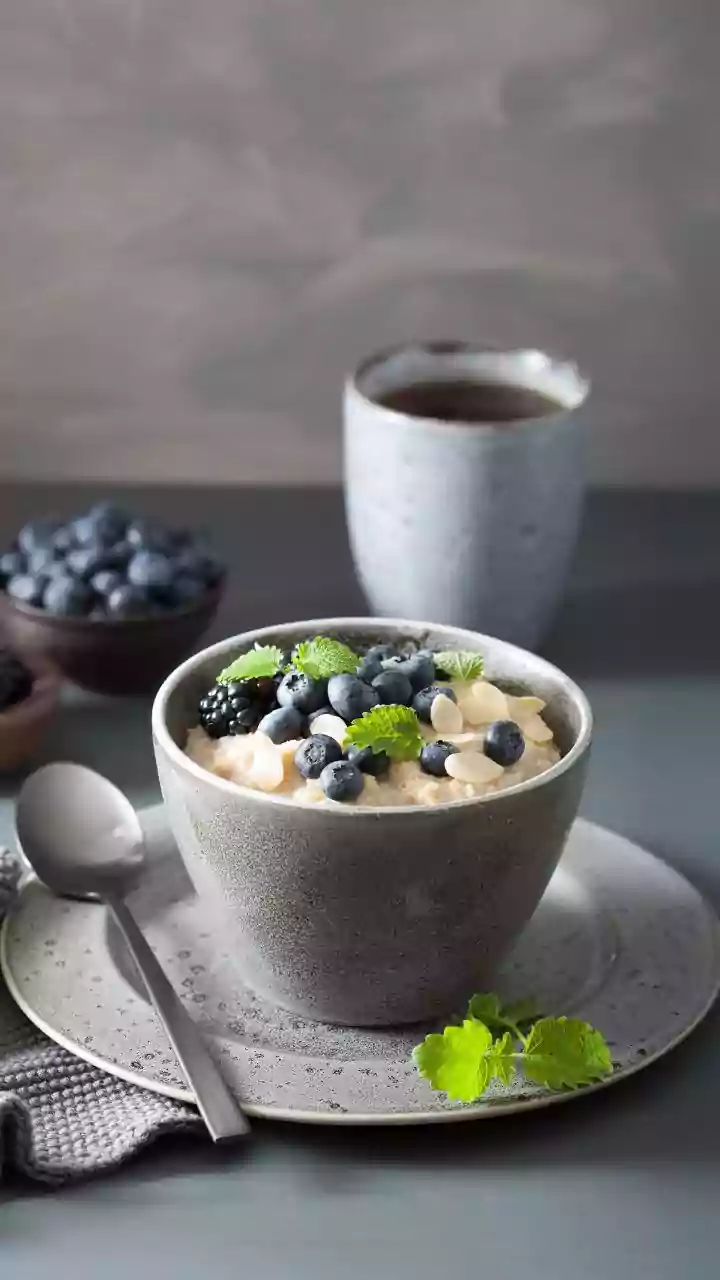
Integrating wholegrains into your diet is simpler than you think and doesn't require abandoning your favourite dishes. You can start by making small substitutions. Try using whole wheat atta for your rotis and parathas, or mixing in millet flours like bajra and jowar for added nutrients. Instead of white rice for every meal, consider brown rice, which has a pleasant nutty flavour that pairs well with dals and curries. Dalia (cracked wheat) makes for a hearty and healthy breakfast upma, while oats can be used in everything from porridge to khichdi. Even just adding barley to soups or using quinoa as a base for pulao can significantly boost your meal's nutritional profile.
What Makes a Salad Mediterranean?
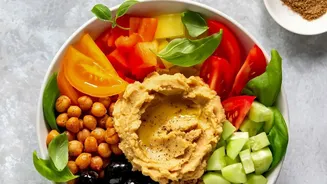
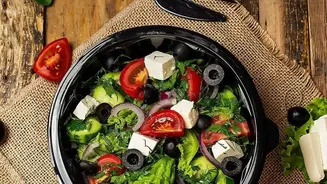
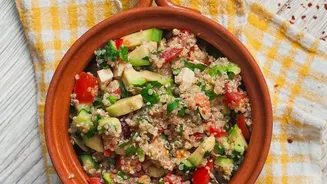
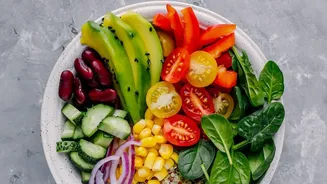
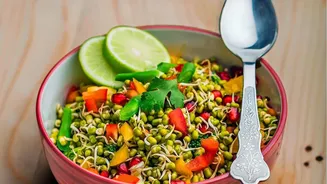
The Mediterranean style of eating celebrates fresh, seasonal, and minimally processed foods. A Mediterranean salad isn't about a bed of lettuce, but a vibrant mix of chopped vegetables, healthy fats, and simple seasonings. The core components typically include juicy tomatoes, crisp cucumbers, and thinly sliced onions. Briny olives and creamy feta cheese add a signature savoury flavour, though crumbled paneer can be a great local substitute. Legumes like chickpeas are often added to make the salad a more complete and filling meal. The focus is on combining colours, textures, and bold, natural flavours.
Crafting Your Perfect Salad Bowl
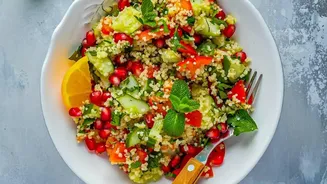
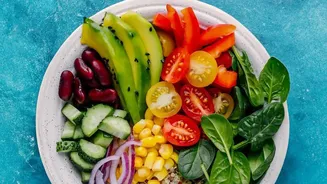
Building a delicious Mediterranean-style salad is a creative process. Start with a base of fresh, chunky vegetables like cucumber and tomatoes. Add some thinly sliced red onion for a bit of sharp flavour and a handful of olives. For protein and substance, toss in a cup of boiled chickpeas or some grilled paneer or chicken. Fresh herbs are essential for that characteristic Mediterranean freshness; finely chopped parsley or mint works wonderfully. For a bit of crunch, you can add a sprinkle of toasted walnuts or sunflower seeds. The key is to use high-quality ingredients and let their flavours shine through.
A Simple, Healthy Dressing
Store-bought salad dressings are often loaded with sugar, unhealthy fats, and preservatives. The Mediterranean approach uses a simple vinaigrette that enhances the flavours of the vegetables rather than masking them. You can whip up a delicious dressing in minutes. In a small jar, combine extra virgin olive oil, freshly squeezed lemon juice or red wine vinegar, a minced garlic clove, and a pinch of dried oregano, salt, and pepper. Shake it well until it emulsifies into a creamy, flavourful dressing. This simple, homemade dressing is healthier and brings an authentic, zesty taste to your salad.