





Why Your Generic Warm-Up Falls Short
Many people treat the warm-up as a box to tick, often by jogging on a treadmill or doing a few random stretches. While any movement is better than none, this generic approach fails to properly prepare your body for specific tasks. A warm-up's primary
goal is to increase your body temperature, boost blood flow to muscles, and activate the nervous system. However, it should also prime the exact muscles and joints you intend to use. A light jog does little to prepare your shoulders for a heavy bench press, just as random arm circles won't get your legs ready for a set of squats. This mismatch can limit your performance and, more importantly, increase your risk of injury because the targeted muscles are not ready for the load or intensity to come.
The Power of Movement-Specific Preparation
The key to an effective warm-up is specificity. Think of it as a dress rehearsal for your workout. The goal is to perform lighter, less intense versions of the movements you are about to do. This approach, known as dynamic warm-ups, involves active, controlled movements through a full range of motion. It prepares your muscles, joints, and nervous system for the specific patterns of your workout, improving mobility and muscle activation. Studies have shown that performing sport-specific movements during a warm-up can improve performance. This ensures that not only is your heart rate up, but the correct motor patterns are firing and your joints are lubricated and ready for the specific stresses of your session.
A Framework for a Better Warm-Up
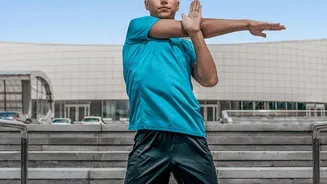
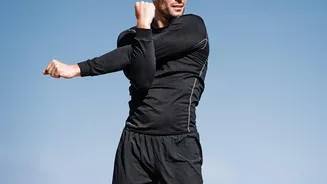
A well-structured warm-up doesn't need to take more than 5 to 15 minutes and can be broken into three simple phases. First, start with 3-5 minutes of general, light cardio like jogging, cycling, or using a rower to raise your core temperature. Second, move into dynamic stretches and mobility work. This is where you focus on the joints you'll be using. Examples include leg swings, arm circles, hip rotations, and torso twists. The final phase is specific activation. This involves performing bodyweight versions or very light-weighted versions of your main exercises. This directly tells your body which muscles need to be ready to work.
Warm-Up Examples for Strength Training
For a lower-body strength day focused on squats and lunges, your specific warm-up should target the hips, knees, and ankles. After your general cardio, perform leg swings (forward and side-to-side) and hip circles to improve hip mobility. Follow this with a set of deep bodyweight squats, focusing on form. Add some glute bridges to activate your posterior chain. For an upper-body day involving pressing and pulling, focus on shoulder and upper-back mobility. After light cardio, do arm circles and wall slides to open up the shoulders. Band pull-aparts are excellent for activating the muscles of your upper back. Finish with a few light sets of the main exercise, such as bench pressing just the bar.
Warm-Up Examples for Running
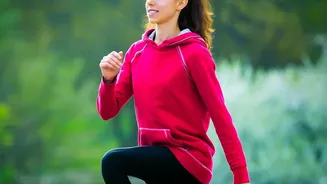
A runner's warm-up should prepare the legs for repetitive impact. After a few minutes of light jogging to increase blood flow, focus on dynamic drills that mimic running mechanics. Good examples include high knees, butt kicks, walking lunges, and leg swings. These drills improve hip and knee mobility and activate the hamstrings, glutes, and quadriceps. This focused preparation has been shown to improve running economy and reduce the risk of common injuries like hamstring strains or shin splints. It ensures your muscles are elastic and ready for the demands of your run.
What to Avoid: The Case Against Static Stretching
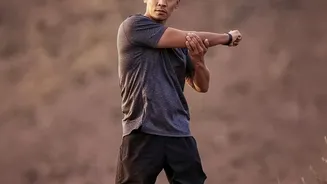
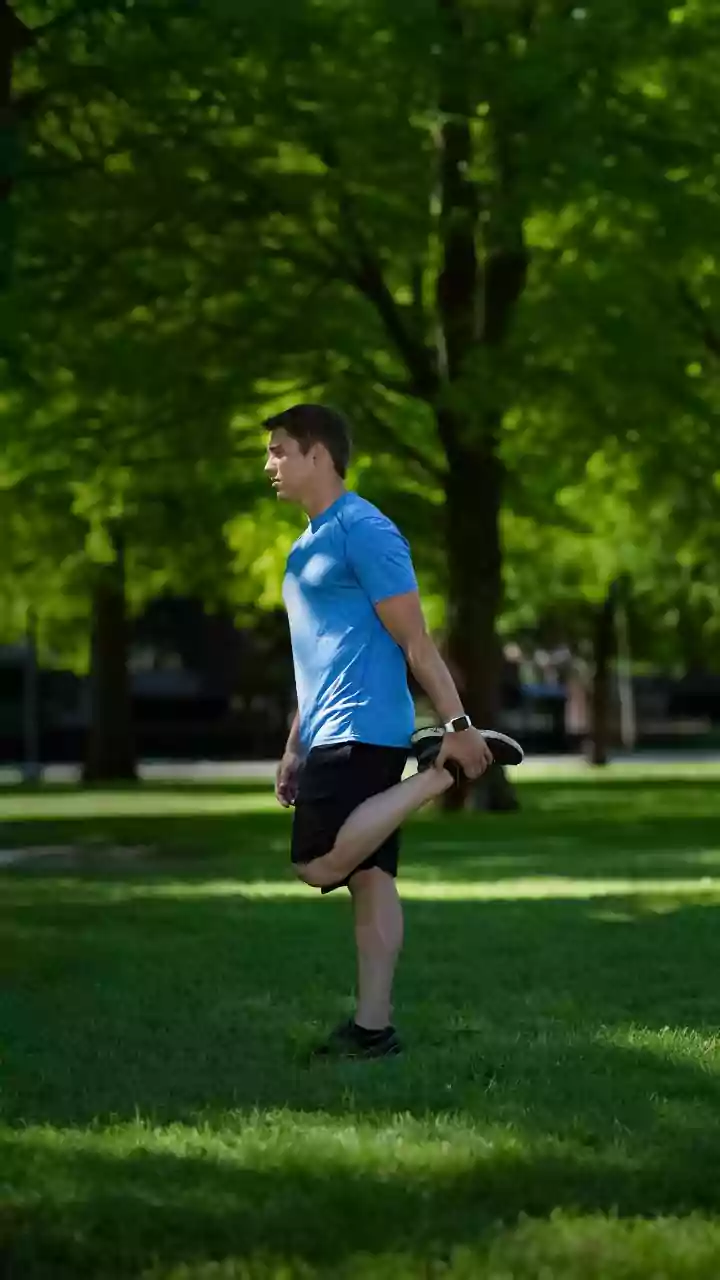
One of the most common warm-up mistakes is performing static stretches—holding a stretch for an extended period—before a workout. While static stretching is excellent for improving long-term flexibility, doing it on cold muscles can actually decrease power and performance and may even increase injury risk. Static stretches signal the muscles to relax and lengthen, which is the opposite of what you want before asking them to produce force. Save these types of stretches for your cool-down, when your muscles are warm and pliable, to help with recovery and reduce stiffness.