


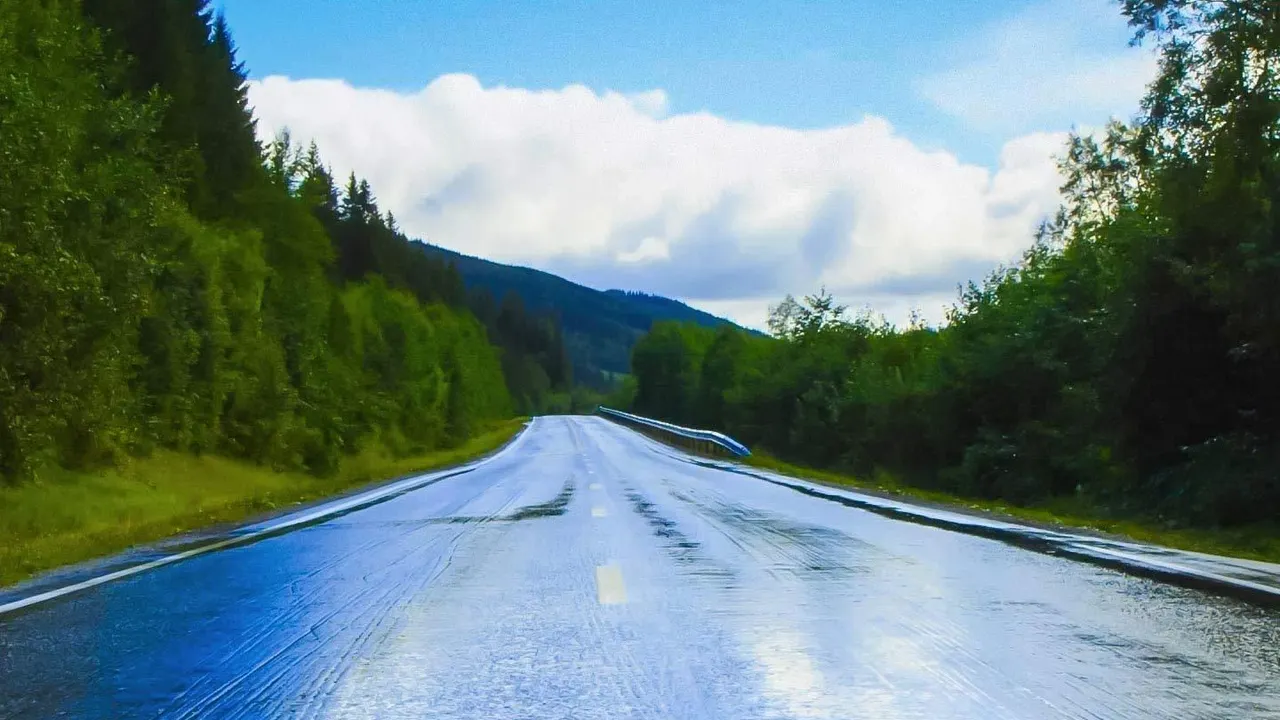
The Rain Shadow Advantage
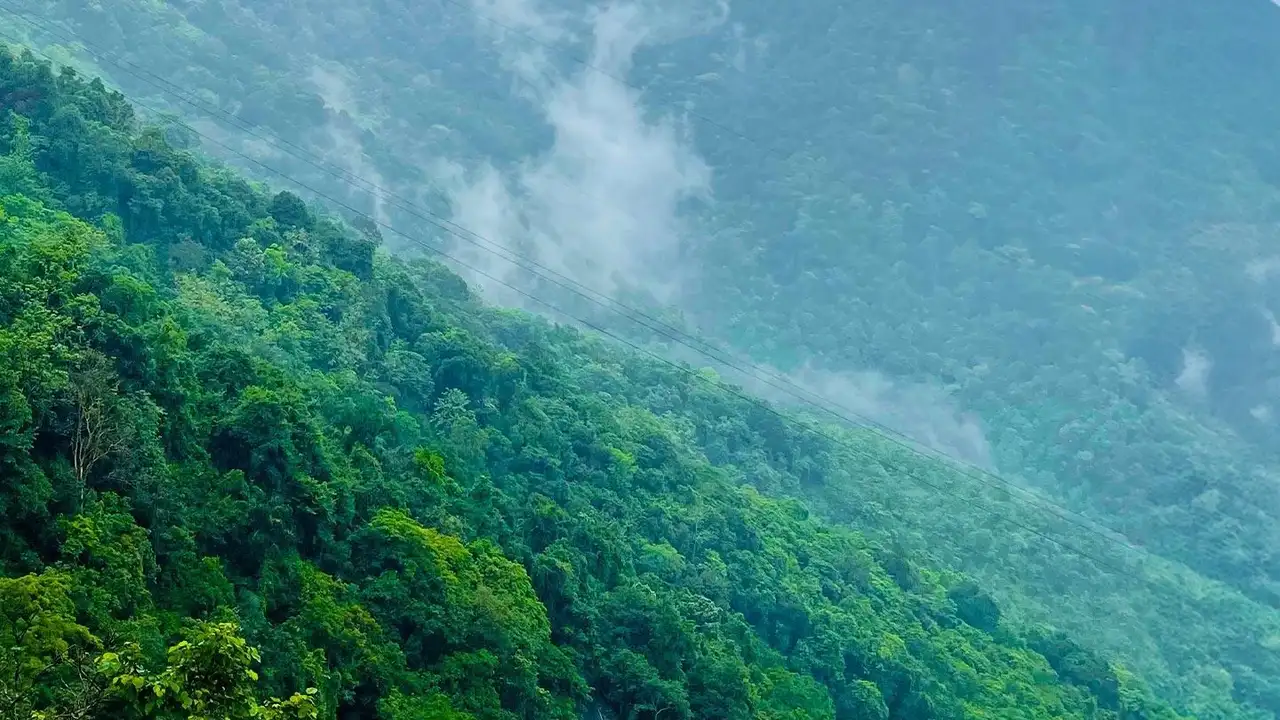
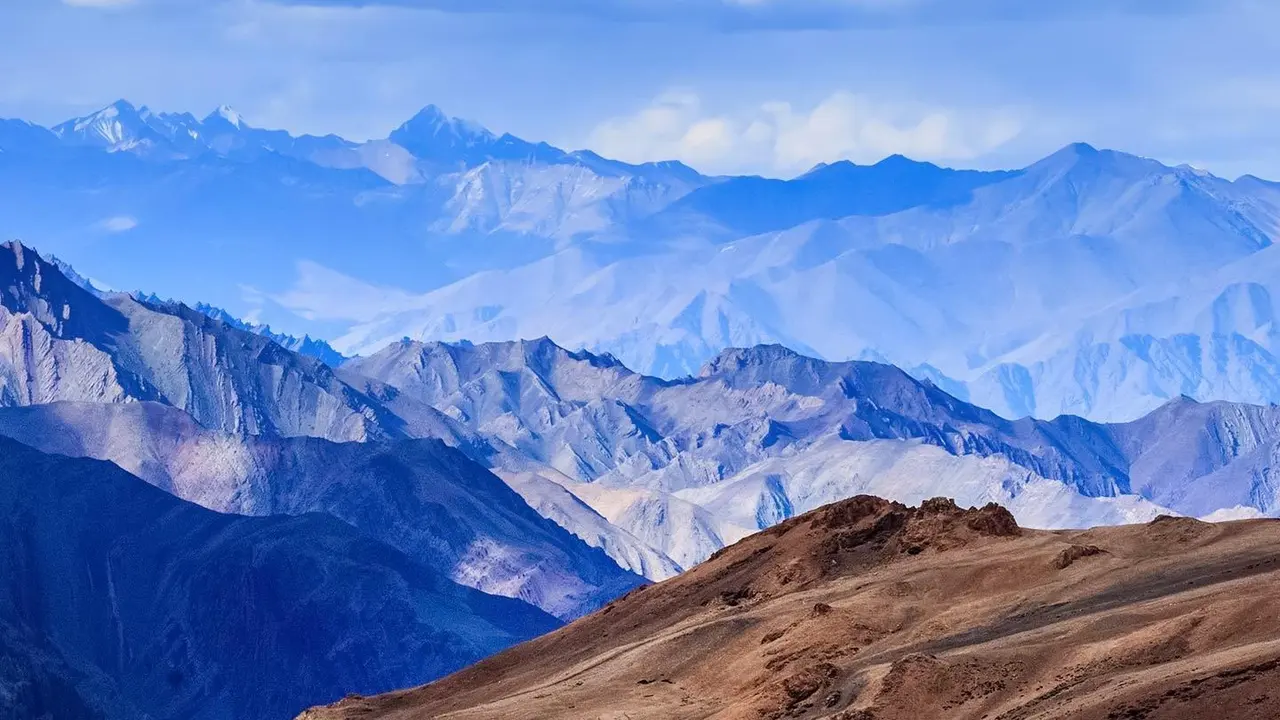
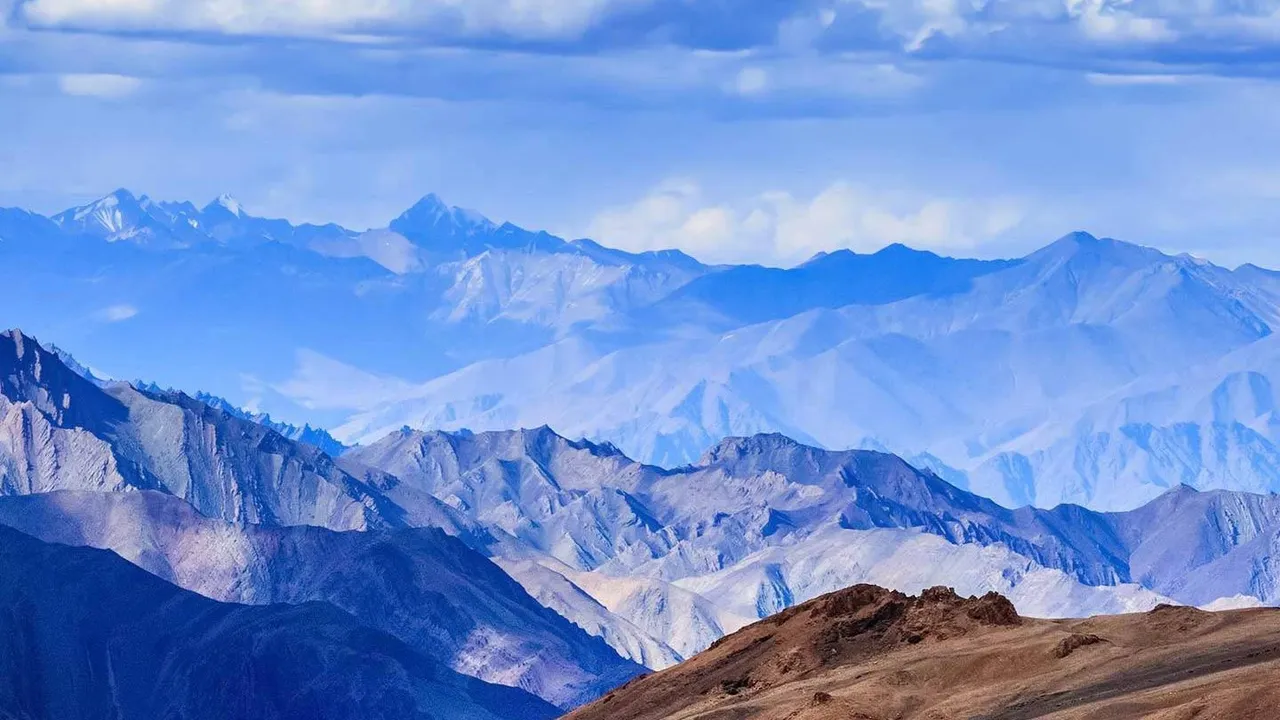
The primary reason Ladakh is a perfect monsoon destination is its unique geographical location. Nestled in a rain shadow zone, the towering Himalayan and Zanskar ranges act as a colossal barrier, blocking the moisture-laden monsoon clouds that drench
the rest of the subcontinent. What reaches Ladakh is dry air, resulting in minimal rainfall and clear, sunny days. While other hill stations grapple with landslides and downpours, Ladakh remains arid and accessible, making it an ideal sanctuary for those looking to dodge the deluge.
Pleasant Weather and Open Roads
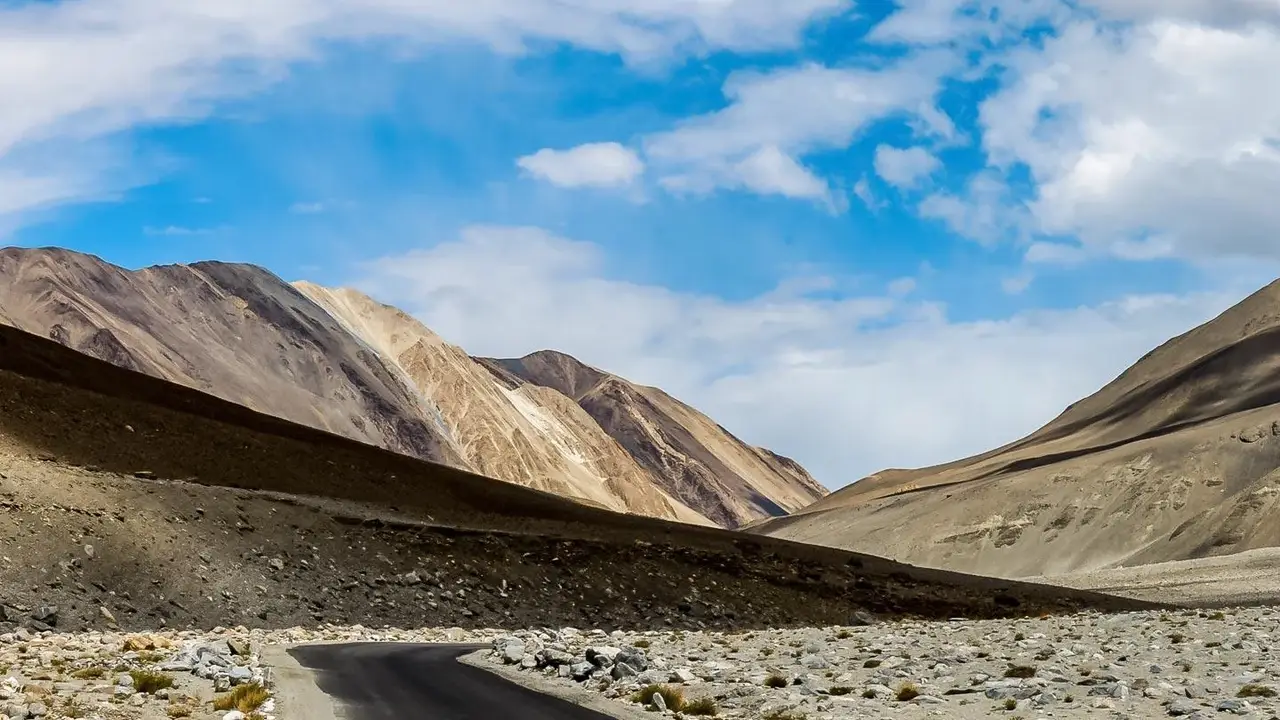
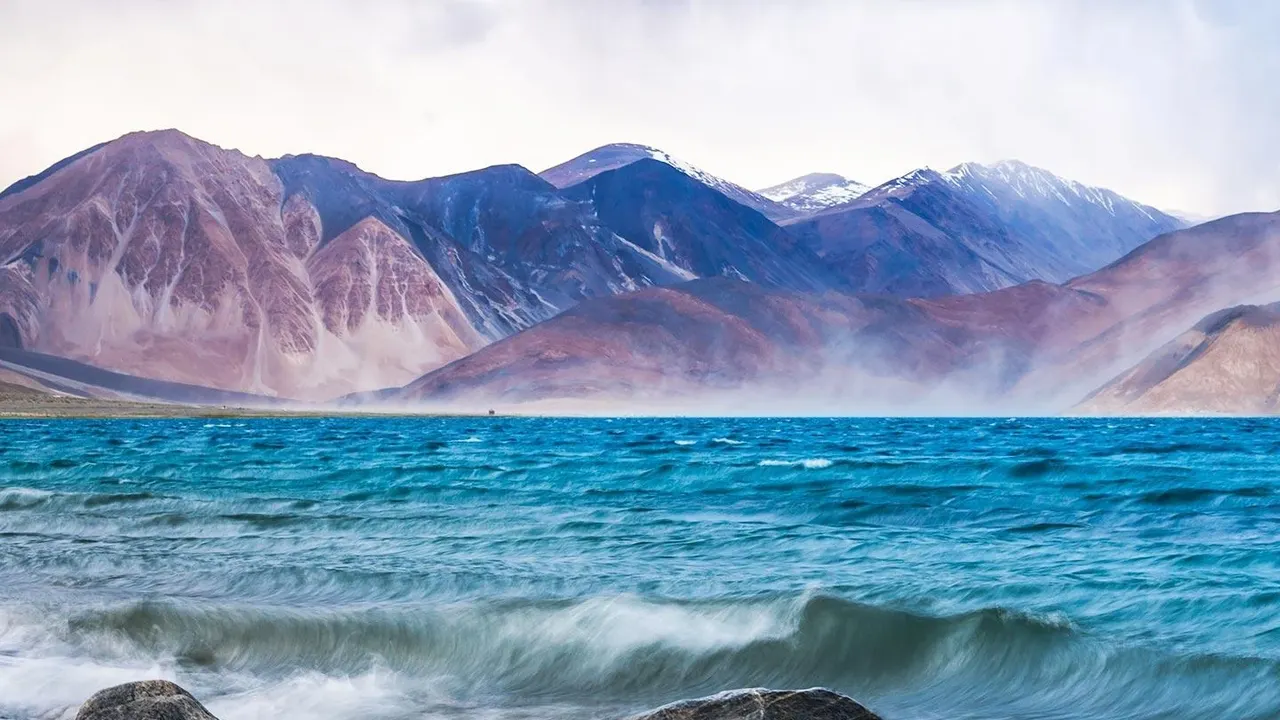
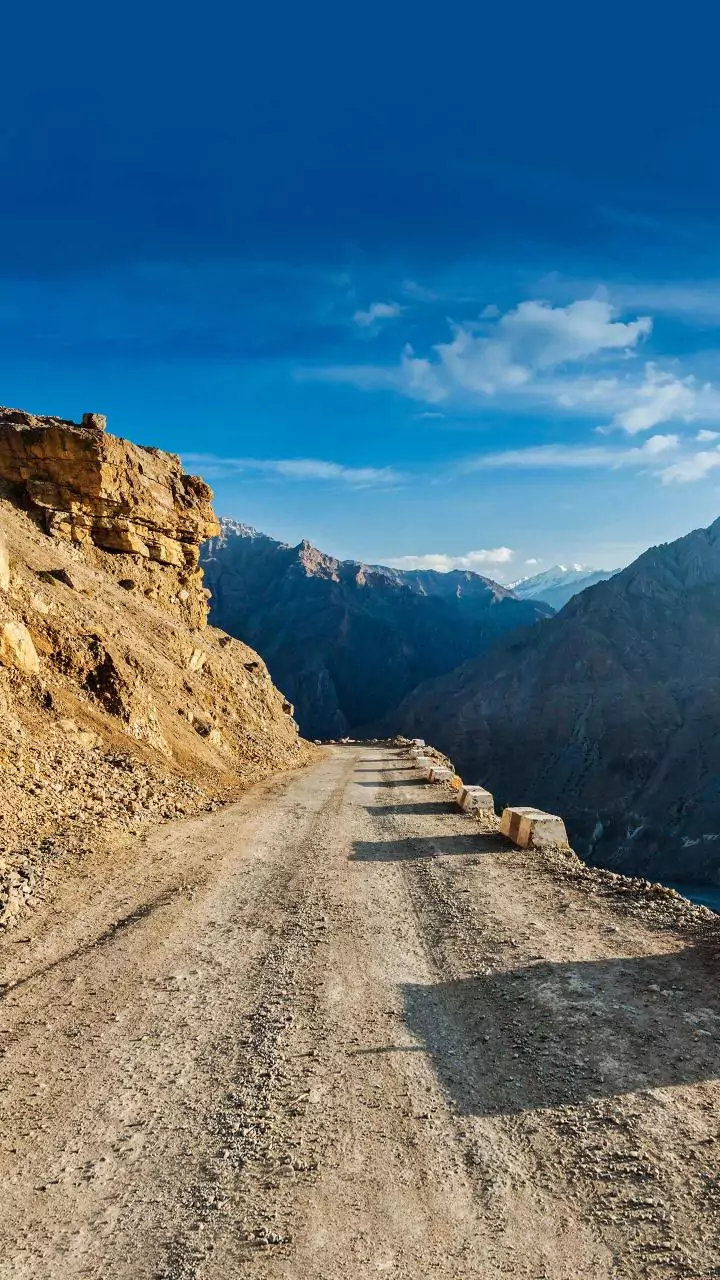
The monsoon months, from July to September, are when Ladakh is arguably at its best. Daytime temperatures are comfortable, often hovering between 20°C and 30°C in Leh and lower valleys, creating perfect conditions for sightseeing and outdoor activities. While nights can be cool, the overall climate is far more welcoming than the harsh winter. Crucially, this is the season when major arteries like the Manali-Leh and Srinagar-Leh highways are reliably open. Though the journey to Ladakh might involve navigating rain-affected areas in Himachal or Kashmir, once you arrive, the internal roads to popular spots like Nubra Valley and Pangong Lake are clear.
Landscapes in Full Bloom
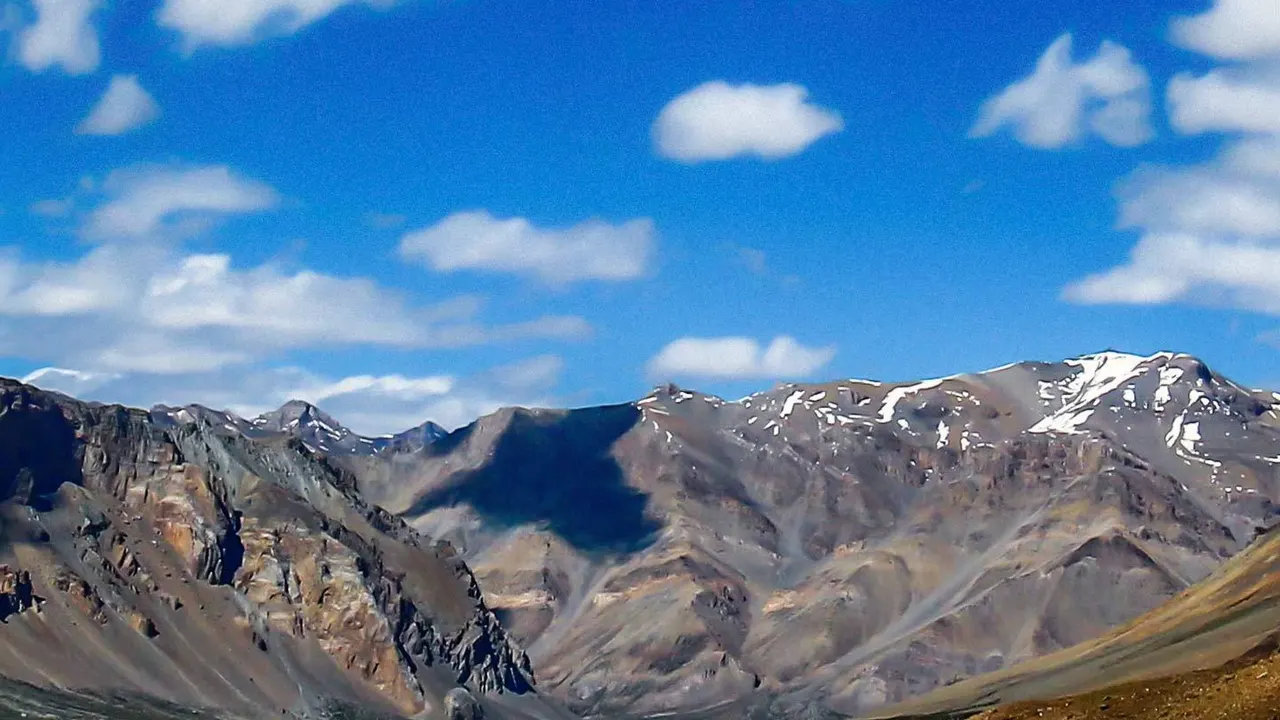
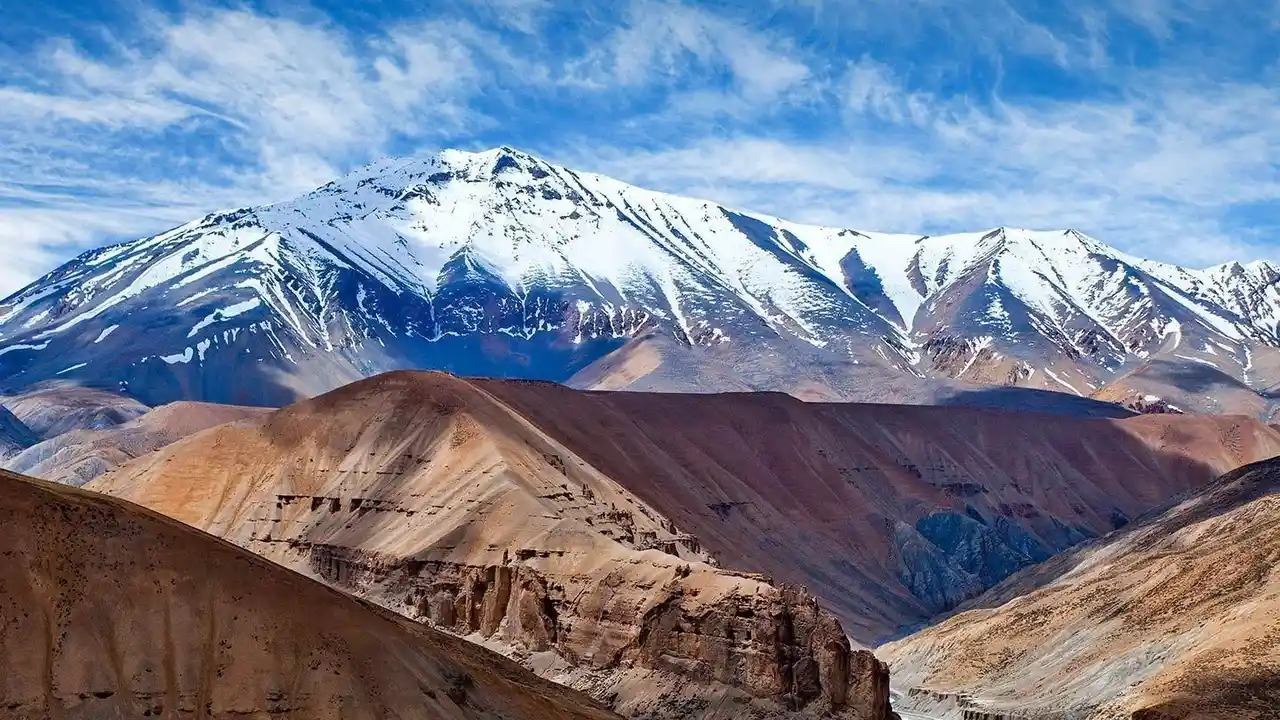
Ladakh is a cold desert, known for its stark, brown, and ochre landscapes for most of the year. However, the light, occasional showers during the monsoon season bring a surprising transformation. The seemingly barren valleys spring to life with patches of green and vibrant wildflowers, especially in high-altitude meadows. The contrast between the blooming flora, the rugged mountains, and the deep blue skies creates a photographer's paradise. Streams and rivers run fuller, and the air is crisp and clean, offering a softer, more vibrant version of the region's famous stark beauty.
A Hub for Adventure and Culture
The favourable weather makes the monsoon season the peak time for adventure sports in Ladakh. All major trekking routes, including the popular Markha Valley trek, are open and bustling with enthusiasts. White-water rafting on the Zanskar and Indus rivers is also in full swing, with rapids offering a thrilling experience. Beyond the adrenaline rush, this period is also rich in cultural festivities. Major monastic festivals, such as the Hemis Tsechu (often in June or July) and the Ladakh Festival in September, take place during these months. These events offer a spectacular display of traditional masked dances, music, and rituals, providing a deep dive into Ladakh's unique Tibetan Buddhist culture.
Fewer Crowds and More Serenity
While May and June are considered peak tourist months, many road-trippers avoid the monsoon season due to the risk of landslides on the approach highways. This means that popular destinations within Ladakh, such as Pangong Lake, Nubra Valley, and the monasteries around Leh, are relatively less crowded from late July through September. This quieter atmosphere allows for a more peaceful and immersive experience. Travellers can explore ancient gompas without the hustle, enjoy undisturbed views of the stunning lakes, and find a sense of solitude that is harder to come by during the absolute peak season.