



The Tyranny of Resupply
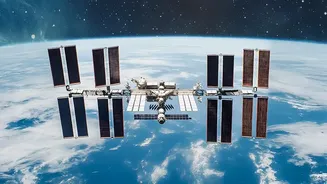
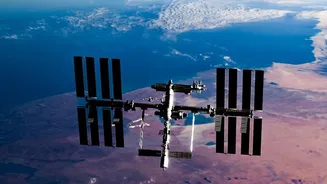
For every astronaut on a long mission, you need to provide air, water, and food. On the International Space Station (ISS), which orbits just 400 kilometres above Earth, resupply missions are frequent but costly. Every kilogram of supplies launched into
orbit costs thousands of dollars. Now, imagine a mission to Mars. A round trip can take years, and communication delays can be up to 24 minutes each way. There are no cargo ships that can quickly top up supplies. This simple, brutal math is the biggest barrier to deep space exploration. An open-loop system, which relies entirely on stored supplies, becomes impossibly heavy and expensive for missions beyond low-Earth orbit.
Open vs. Closed Systems
Think of it like this: an open-loop system is like a scuba tank. You bring all the air you need, and when it's gone, it's gone. This is how early space missions worked. A closed-loop system, on the other hand, is more like Earth's own ecosystem. It takes waste products—the carbon dioxide you exhale, the water you use—and recycles them back into breathable air and drinkable water. The goal is to create a self-sustaining bubble of life. No system is perfectly closed yet, but the closer we get, the further we can travel from Earth for longer periods.
How the ISS Does It Now
The International Space Station uses a partially closed-loop system called the Environmental Control and Life Support System (ECLSS). It’s a marvel of engineering that reclaims a significant amount of resources. The Water Recovery System, for instance, can recycle up to 98% of the water from sources like astronaut breath, sweat, and even urine, purifying it to be cleaner than most tap water on Earth. For air, the system scrubs carbon dioxide from the atmosphere and uses electrolysis to split water into breathable oxygen and hydrogen. While impressive, it's not 100% efficient; the ISS still requires regular water and oxygen deliveries from Earth to top up its supplies.
Closing the Loop: Air and Water
Getting from the ISS's high-90s recycling rate to near 100% is a huge technological challenge, but a necessary one. Advanced systems, like those being developed by NASA and the European Space Agency, aim to improve these processes. One key technology is the Sabatier reaction, which combines waste carbon dioxide with hydrogen to produce water and methane. This not only removes a waste gas but also creates more water, which can then be used for drinking or split into more oxygen. Achieving full closure for air and water is the first critical step toward making a Mars habitat viable without depending on Earth.
The Final Frontier: Food
Food is the most difficult part of the loop to close. Currently, almost all food on the ISS is pre-packaged and shipped from Earth. This food degrades in quality and nutritional value over time, a major problem for multi-year missions. The solution is space farming. Experiments like NASA's Veggie and the Advanced Plant Habitat on the ISS are testing how to grow crops like lettuce and radishes in microgravity. But growing plants in space presents unique challenges, from providing light and water without gravity to dealing with radiation. Bioregenerative systems, which use plants and algae to produce food and oxygen while processing waste, are seen as the ultimate goal for a truly self-sufficient habitat.
More Than Just Survival
Achieving a closed-loop system is about more than just keeping astronauts alive; it's about enabling them to thrive. The psychological benefits of growing and eating fresh food on a long, isolated mission are significant. Furthermore, the technologies developed for these systems have incredible potential for applications on Earth. Imagine highly efficient water purification systems for disaster areas or advanced vertical farming techniques for urban centres. The quest to build a self-sustaining world in space could teach us invaluable lessons about how to better manage our own closed system here on Earth.