



The New Peak Season
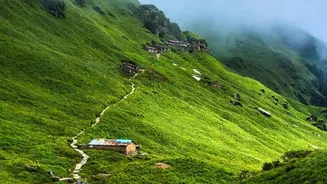
What was once considered the travel off-season is rapidly becoming a preferred holiday window for many Indians. Data from multiple travel platforms shows that the monsoon months of July and August are no longer a lull. Instead, there's a significant spike
in demand for destinations that come alive in the rain. According to a recent report, hotel bookings have surged by nearly 54% year-on-year, driven by travellers seeking lush green landscapes, cooler temperatures, and fewer crowds. This shift is reshaping India's tourism calendar, with states like Kerala, Goa, Uttarakhand, and Himachal Pradesh reporting strong visitor interest. The trend is particularly strong among younger travellers and those with flexible work arrangements, who are opting for shorter, more frequent getaways. This growing appetite for seasonal experiences means the old rules of off-season discounts and last-minute availability no longer apply in many popular spots.
The Mid-Range Squeeze
While demand is booming across the board, the mid-range hotel segment is feeling the most pressure. This category, a sweet spot for families, solo travellers, and business professionals, offers a blend of comfort and affordability that is now highly sought after. However, the supply of quality mid-range rooms hasn't kept pace with this sudden surge in monsoon demand. While the segment is poised for future growth, with some reports noting it's the fastest-expanding category, that new inventory isn't fully online yet. A 2025 analysis pointed out that while luxury hotels were soaring, the mid-market was battling slower growth, a situation now exacerbated by the concentrated monsoon demand. This imbalance means travellers are facing higher occupancy rates and fewer available rooms in the exact category that many depend on for value-driven stays.
Monsoon Hotspots Feeling the Strain
The supply crunch is most acute in popular monsoon destinations. Hill stations are a major draw, with booking data showing immense growth in places like Wayanad, which saw a staggering 160% increase in hotel bookings. Mussoorie and Rishikesh have also jumped in popularity, with search interest growing by over 160% and 200% respectively. Even established destinations are seeing unprecedented demand; hotel bookings in Goa have increased by over 110%. The Northeast is emerging as another hotspot, with Nagaland and Arunachal Pradesh recording over 90% growth in hotel bookings. This intense focus on specific scenic and wellness destinations like Munnar, Coorg, and Ooty means that hotels, especially in the mid-range, are filling up faster than ever before.
Your Monsoon Booking Strategy
Navigating this competitive landscape requires a smart approach. The most crucial piece of advice from experts is to book well in advance. The era of spontaneous monsoon trips with guaranteed hotel availability is fading. With nearly half of mountain bookings now happening within three days of departure, waiting until the last minute is a significant gamble. Flexibility is also key; consider travelling on weekdays instead of weekends when demand surges. Expanding your horizons to lesser-known but equally beautiful destinations can also yield better availability and prices. Look for emerging spots in the Western Ghats or the hills of Tamil Nadu that aren't yet on every traveller's radar. Finally, be open to alternative accommodation like vetted homestays or boutique inns, which can offer a unique experience and may have more availability.
How to Secure Your Stay
Don't limit your search to a single booking portal. Compare prices across different platforms like MakeMyTrip, Goibibo, and Booking.com, but also consider contacting hotels directly. Sometimes, hotels reserve a portion of their inventory for direct bookings and may offer better deals. Given the unpredictability of monsoon weather, pay close attention to cancellation policies. Opting for a flexible or refundable rate, even if it costs slightly more, is a wise investment that protects you from losing money due to sudden plan changes caused by heavy rain or travel disruptions. Before finalizing, check recent guest reviews from the past few months to get a realistic picture of the property's condition and service, especially its preparedness for the rainy season.