






The Humble Hero of the Indian Kitchen
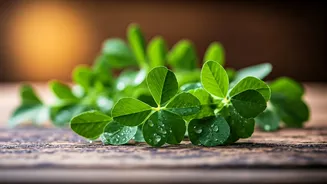
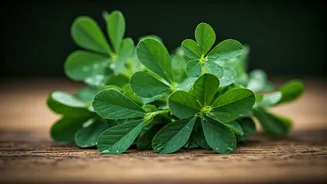
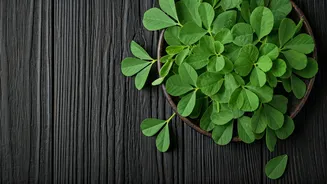
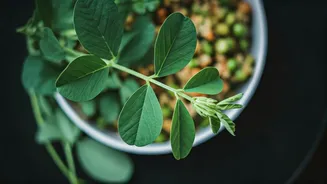
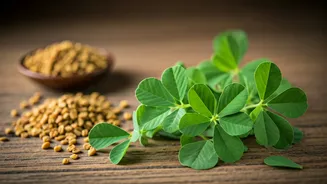
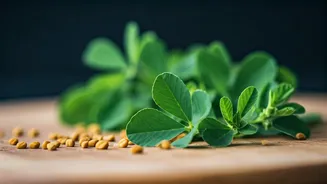
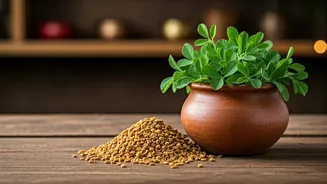
Fenugreek, known to most in India as methi, is more than just a leafy green; it’s a cornerstone of home cooking. Its distinctive flavour—a unique blend of earthy, nutty, and slightly bitter notes with a hint of maple-like sweetness—is instantly recognisable.
This complexity is what makes food feel “richer.” It’s not about cream or expensive ingredients, but about a depth of flavour that lingers on the palate, making a simple dal or sabzi feel more complete and satisfying. Whether used fresh in bundles or as dried leaves, methi has the power to elevate a dish from mundane to memorable.
A Tale of Two Methis: Fresh vs. Dried
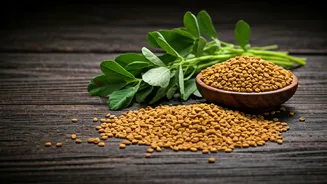
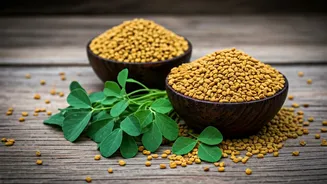
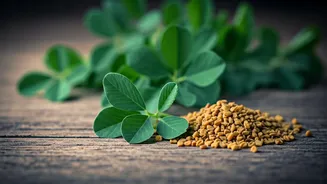
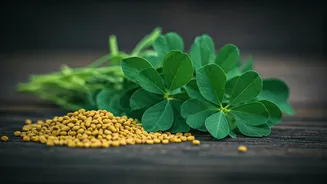
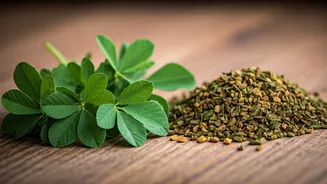
To cook with methi is to understand its two primary forms: fresh fenugreek leaves and dried ones, known as kasuri methi. Fresh methi has a more pronounced bitter flavour and a robust, green character. It’s used as a vegetable itself in famous dishes like Aloo Methi (potatoes with fenugreek) and Methi Paratha. Kasuri methi, on the other hand, consists of sun-dried leaves. The drying process mellows the bitterness and concentrates the aromatic, smoky flavour. It's typically used as a finishing herb, crumbled over rich gravies like Butter Chicken or Paneer Butter Masala to add an unforgettable aroma and a final layer of flavour right before serving.
Unlocking Flavour with Fresh Methi
Cooking with fresh methi can be incredibly rewarding. The key is to balance its bitterness. A common trick is to sprinkle the chopped leaves with salt and let them sit for about 15 minutes. Squeezing out the excess liquid that forms helps remove a good deal of the bitterness. Once prepped, fresh methi shines in stir-fries, where it’s often paired with potatoes, peas, or paneer. It can be finely chopped and kneaded into dough to make flavourful theplas or parathas, a breakfast staple in many households. It can also be added to lentil dishes like Methi Dal, where it wilts into the warm lentils, imparting its signature flavour throughout the dish.
The Finishing Touch: The Magic of Kasuri Methi
If fresh methi is the workhorse, kasuri methi is the artist. These dried leaves are a secret ingredient in many restaurant-style North Indian curries. To unlock its magic, you simply crush the leaves between your palms—the friction gently warms them, releasing their potent, savoury aroma—and sprinkle them over your dish in the final moments of cooking. This simple act adds an incredible depth and a professional touch. It cuts through the richness of creamy and tomato-based gravies, balancing sweetness and adding a sophisticated, savoury note that is hard to replicate with any other herb.
More Than Just Taste: A Nutritional Powerhouse
Beyond its culinary prowess, fenugreek is also celebrated for its health benefits. The leaves are a rich source of vitamins like A, C, and K, as well as minerals such as iron and calcium. Packed with dietary fibre, methi can aid in digestion and help regulate blood sugar levels. Its antioxidant properties contribute to overall wellness, making it a valuable addition to a balanced diet. So, when you add methi to your meals, you’re not just adding flavour; you're also adding a significant nutritional boost.
From Market to Pan: A Quick Guide
When buying fresh methi, look for vibrant green leaves without any yellowing or wilting. The bunches often come with thick, tough stems and soil-laden roots, so preparation is key. The first step is to separate the leaves from the hard stalks. This can be time-consuming but is essential. Once plucked, the leaves should be washed thoroughly in a large bowl of water multiple times to remove all grit. For kasuri methi, store it in an airtight container in a cool, dark place to preserve its fragrance for as long as possible.