





The Cricketing Professor
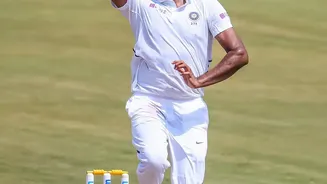
More than just a world-class off-spinner, Ravichandran Ashwin has built a reputation as a master strategist. His relentless experimentation and deep analysis of the game are well-documented. This isn't just on-field intelligence; it’s a genuine obsession.
His popular YouTube channel, where he breaks down match tactics and player mechanics with remarkable clarity, is a testament to this. Unlike many of his peers, Ashwin seems to enjoy the 'why' and 'how' of cricket as much as playing it. For a selector, this quality is invaluable. The role demands not just identifying talent, but understanding how a player's specific skills fit into the strategic puzzle of a series or tournament. Ashwin’s ability to think several moves ahead, anticipate opposition strategies, and appreciate nuanced skills would be a significant upgrade.
A Voice to Challenge the Status Quo
A selection committee's greatest enemy can be groupthink. Ashwin is famously outspoken and has never shied away from expressing a clear, principle-based opinion, whether on game rules or on-field tactics. This isn't about being argumentative for its own sake; it's about a conviction rooted in logic and a deep understanding of the game’s laws. In a selection meeting, this trait would be a massive asset. He would be the person to question conventional wisdom, to demand data to back up a hunch, and to champion a player who might not fit the traditional mould but offers a unique tactical advantage. His presence could help ensure that selections are a product of rigorous debate and clear logic, rather than just going with the flow or favouring established names.
Bridging Domestic and International Cricket
One of the frequent criticisms of the selection process is the perceived disconnect with domestic cricket, with some alleging an over-reliance on IPL form. Ashwin, having captained and mentored teams in the Tamil Nadu Premier League (TNPL), has hands-on experience in nurturing talent at the domestic level. He has shown an aptitude for identifying and guiding young players, suggesting an eye for talent beyond the high-profile leagues. A selector's job involves countless hours watching domestic cricket to spot the next generation. Ashwin’s genuine passion for all levels of the game, combined with his recent experience in franchise leagues globally, gives him a 360-degree view of the talent pipeline. He understands the grind of first-class cricket and the explosive demands of T20s, making him uniquely qualified to judge players across all formats.
The Modern, Data-Informed Approach
Modern cricket is as much about data as it is about skill. Ashwin, an engineering graduate, is naturally analytical and has embraced the role of data in modern coaching and strategy. His forays into media and his recent work with various T20 franchises show a keen interest in the technical side of performance analysis. A selector with his mindset would likely push for a more integrated approach, combining traditional scouting with advanced metrics to make more informed decisions. This could help in identifying specific matchups, recognizing players who perform under pressure, or finding specialists for overseas conditions. He would be a bridge between the old-school 'gut feel' of selection and the new-age, data-driven approach that is defining success in world cricket.
Realities and Potential Hurdles
Of course, this is all hypothetical for now. The most significant hurdle is the BCCI's eligibility criteria, which require a candidate to have been retired from all forms of the game for at least five years. Ashwin is still actively playing and has taken on new roles in global T20 leagues. Furthermore, a strong personality can sometimes be a double-edged sword in a committee environment. A selector must work collaboratively with the captain, coach, and other committee members. While his directness is a strength, navigating the political and personal dynamics of such a high-pressure job requires compromise. The challenge would be to channel his sharp analytical mind and strong convictions into a consensus-building role, a transition that is not always easy for top-tier athletes used to being the focal point.