



Embrace Light and Neutral Walls
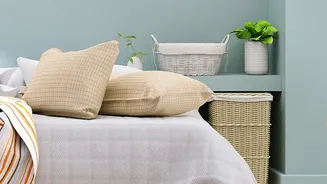
One of the most effective ways to open up a small room is with colour. Dark hues can make a space feel closed in, so opt for light and neutral tones like soft white, beige, or pastels. These colours reflect natural light, creating an illusion of spaciousness
and making the room feel brighter and more open. A fresh coat of paint is a low-cost, high-impact change. If painting isn't an option in your rental, consider using temporary peel-and-stick wallpaper. Look for subtle, small-scale patterns, as large, busy prints can overwhelm a compact room.
Use Mirrors to Create Depth
Mirrors are a small bedroom's best friend. They are a classic interior design trick for a reason: they bounce light around the room and create a powerful illusion of depth, making any space feel larger than it is. For maximum effect, place a large, full-length mirror against a wall or hang it horizontally above your bed. Positioning a mirror directly opposite a window is especially effective, as it will capture and reflect the natural light and the view, instantly making the room feel more expansive and airy.
Layer Your Lighting
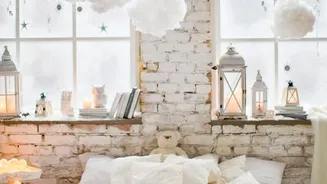
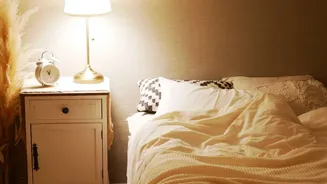
A single, harsh overhead light can make a room feel sterile and small. To create warmth and ambiance, think in layers. Avoid relying solely on the main ceiling fixture. Instead, incorporate multiple light sources. A floor lamp can illuminate a dark corner, a small lamp on your bedside table provides focused light for reading, and stringing up fairy lights can add a magical, cozy glow. Opt for warm-toned bulbs rather than cool, white ones to enhance the inviting atmosphere. This layered approach not only brightens the space but also adds dimension.
Choose Smart, Airy Furniture
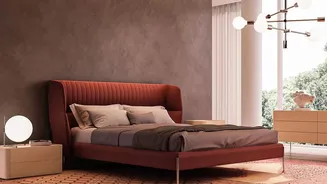
When space is tight, every piece of furniture counts. Choose items that are not only functional but also have a light visual footprint. Furniture with exposed legs, like a bed frame or side table on slender legs, allows you to see more of the floor, which creates a sense of openness. Also, consider multi-functional pieces to reduce clutter. A bed with built-in storage drawers or an ottoman with a lift-top can provide much-needed space for linens, clothes, or books, eliminating the need for a bulky dresser. When you can, keep furniture minimal to avoid a crowded feeling.
Go Vertical with Storage
To maximize floor space, draw the eye upward and utilize your walls. Installing floating shelves is a fantastic, renter-friendly way to display books, plants, and personal items without taking up valuable ground real estate. Wall-mounted organizers can also hold everything from jewellery to work supplies. By getting items off the floor and onto the walls, you not only declutter your surfaces but also make the room feel taller and more organized. This is a key strategy for maintaining an open, uncluttered environment.
Add Warmth with Textiles
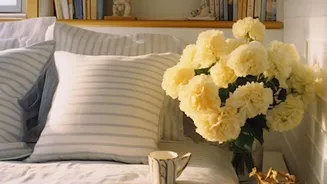
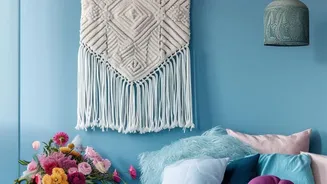
Textiles are a budget-friendly way to inject warmth, personality, and comfort into your bedroom. A soft area rug can define the sleeping area and add a cozy feeling underfoot. Don't be afraid to layer textures; think chunky knit throws, velvet cushions, and soft linen bedding. These elements create visual interest and make the room feel more inviting. When hanging curtains, mount the rod higher and wider than the window frame. This trick makes the window appear larger and the ceiling higher, contributing to a more spacious feel.
Declutter and Personalize
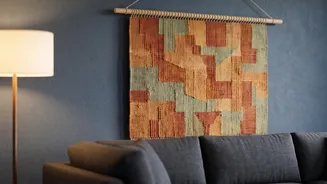
The most affordable tip of all is to simply declutter. A tidy, organized room will always feel larger and more serene than a messy one. Keep surfaces clear and make sure everything has a place. Once you've created a clean foundation, add personal touches that make the space feel like your own. A gallery wall of thrifted art or personal photos, a few small plants, or unique handles on your drawers can add character without creating clutter. These small details are what transform a generic rental room into a warm and personal haven.