



Spain's Tactical Stranglehold
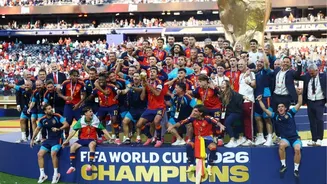
From the first whistle, Spain implemented a tactical masterclass. Under manager Luis de la Fuente, La Roja executed a plan of patient, possession-based dominance combined with a ferocious high press. Their structure was designed to control the ball, suffocate
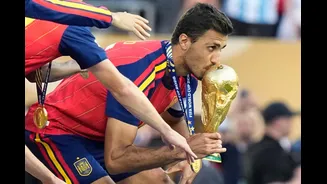
the midfield, and deny Argentina any space between the lines. Spain’s defensive record throughout the tournament was formidable, having conceded only one goal in seven matches, and their compact shape in the final was its ultimate expression. Rodri, the tournament's eventual Golden Ball winner, orchestrated play from deep, ensuring Spain could recycle possession and relentlessly probe an increasingly deep and desperate Argentine defence. The plan wasn't just to keep the ball; it was to use possession as a defensive weapon, leaving Argentina chasing shadows and unable to build any momentum.
The Isolation of Messi
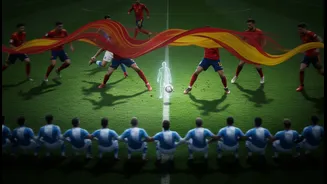
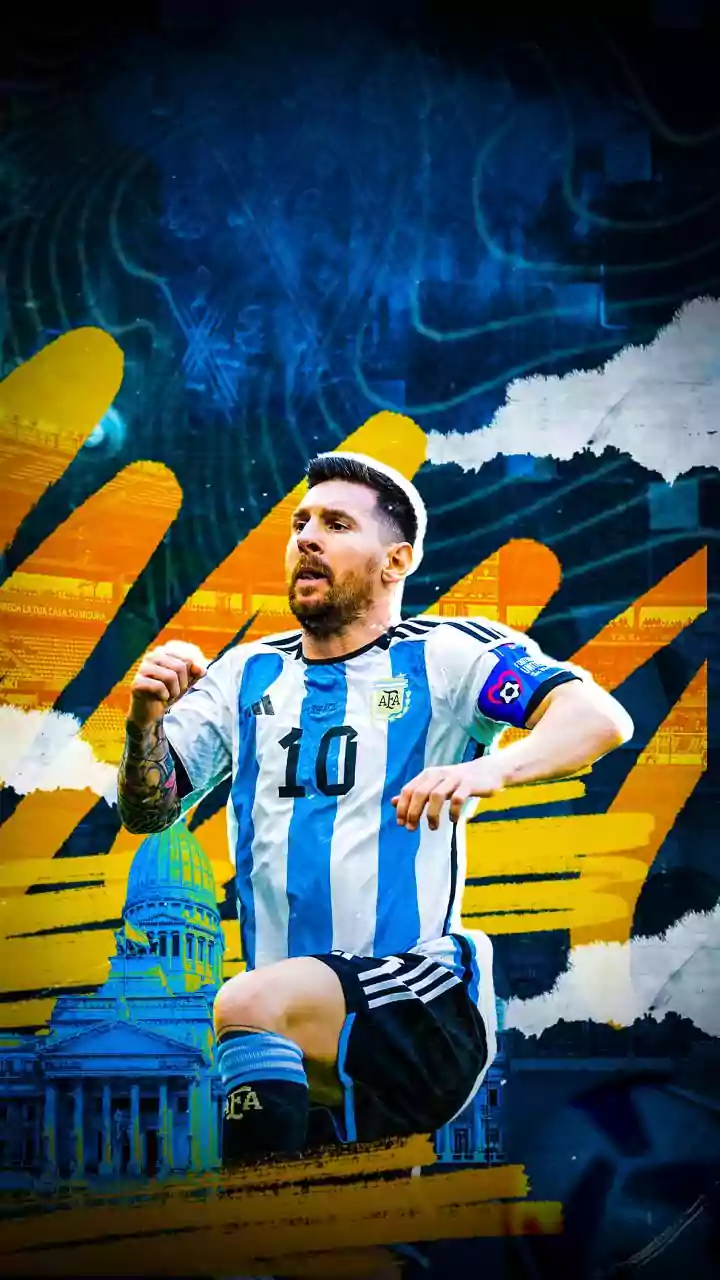
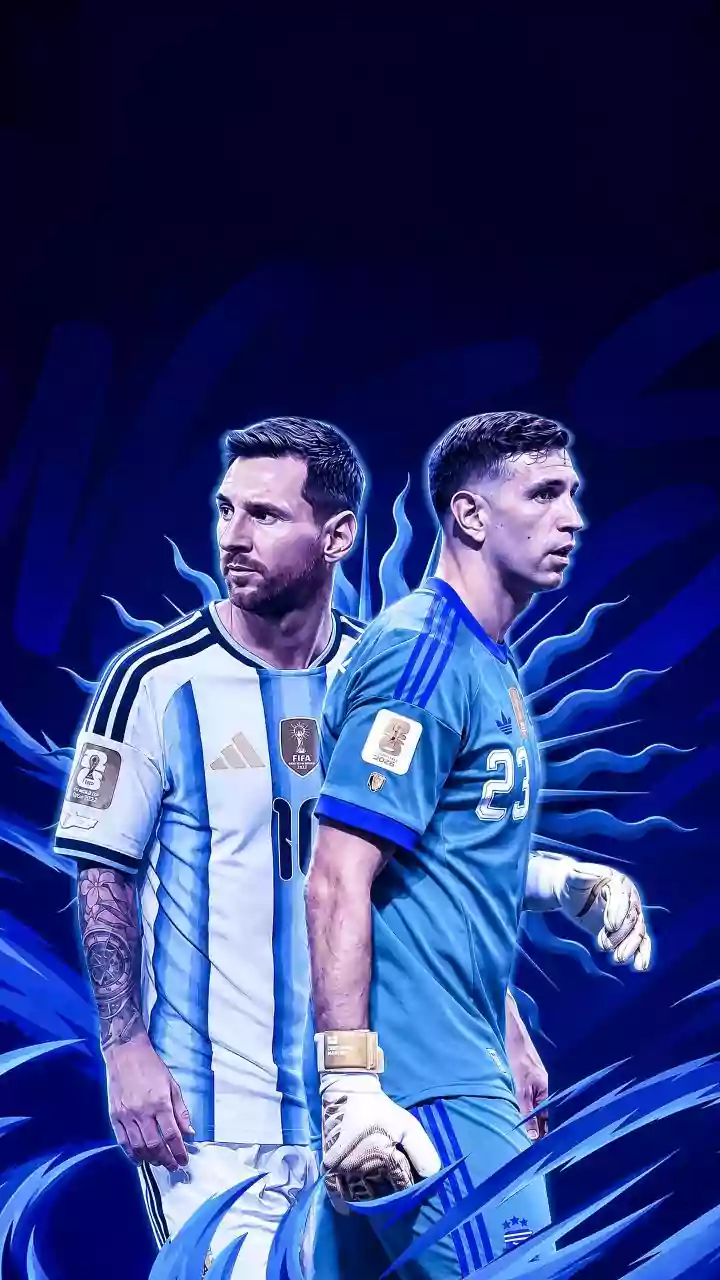
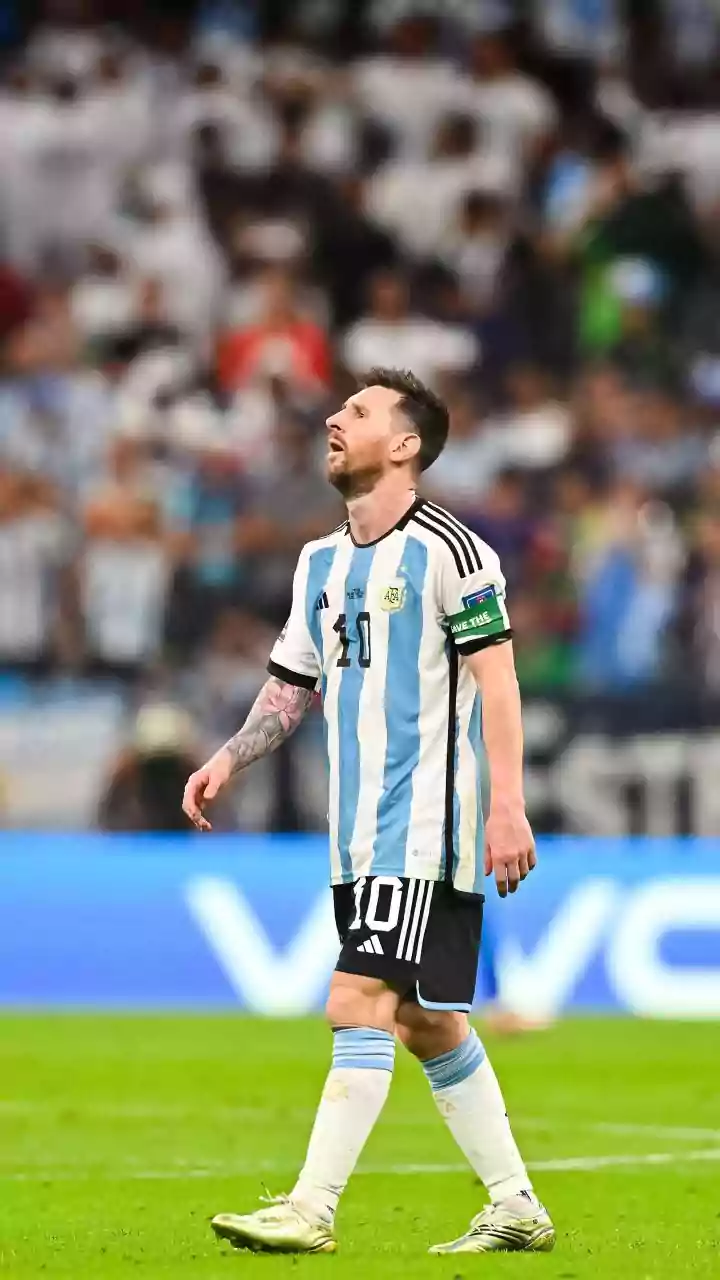
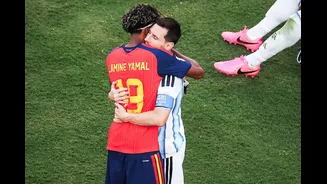
For a player who had so often provided moments of magic to carry his team, Lionel Messi was rendered a peripheral figure. Spain didn't man-mark the 39-year-old superstar in a traditional sense; instead, they built a collective cage. Whenever he received the ball, he was immediately swarmed by red shirts, cutting off passing lanes and forcing him backwards or into errors. The result was a shockingly quiet night for the captain, who ended the match with just 54 touches and a single blocked shot. Argentina's entire system had been built on getting him the ball in dangerous areas, but Spain's midfield dominance meant the supply lines were completely severed. His supporting cast, from Julián Álvarez to the midfielders, were equally starved of service and unable to influence the game.
A Flank Overwhelmed, A Midfield Overrun
The decisive battle was lost in the midfield, but it was won on the flanks. Spain consistently created overloads, particularly on their right side where Pedro Porro and Lamine Yamal combined to pin back Argentina's defence. This constant pressure stretched the Argentine shape and created the space that would eventually lead to the winning goal. In the centre of the park, Argentina’s famed midfield engine of Rodrigo De Paul, Alexis Mac Allister, and Enzo Fernández was completely outplayed. They were unable to win their duels, disrupt Spain’s rhythm, or provide any forward impetus. This culminated in Enzo Fernández’s red card late in normal time for a second yellow, a reckless challenge born of frustration that left his team with ten men for all of extra time.
A Negative Approach Backfires
Manager Lionel Scaloni’s game plan appeared to be one of pure survival. Argentina sat in a deep, compact block from the outset, ceding territory and possession to Spain. The intention seemed to be to frustrate their opponents and perhaps snatch a goal on the counter or hold out for penalties. This was a team that had become expert at managing fragile moments and winning ugly. But against a team of Spain's quality, this defensive shell became a prison. Argentina recorded just one touch in Spain’s penalty area during the entire 90 minutes of normal time and finished regulation with an expected goals (xG) figure of 0.00. The strategy relied almost entirely on the heroics of goalkeeper Emiliano Martínez, who made a string of incredible saves to keep the score level, but an approach with no offensive intent ultimately offered no path to victory.