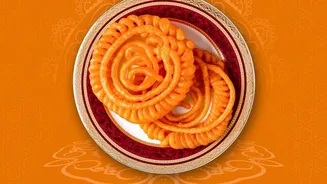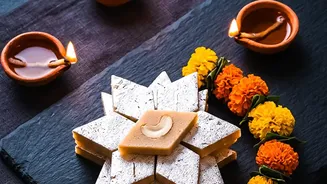




As Diwali approaches, the allure of festive sweets is undeniable. But so is the desire to stay healthy. This has sparked a trend of 'health-conscious' mithai. But how healthy are these alternatives, and what does that label really mean?
The Rise of 'Healthy' Mithai
The festive season
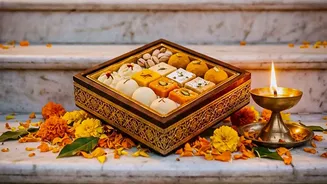
brings with it an abundance of joy, light, and, of course, sweets. In recent years, a growing awareness around health and wellness has led to a surge in demand for 'healthier' versions of traditional Diwali mithai. Shelves and social media feeds are now filled with sweets made from dates, nuts, millets, and jaggery instead of refined sugar and flour. These options promise the same festive indulgence without the associated guilt, catering to a new generation of consumers who want to celebrate without compromising their fitness goals. The appeal is clear: sweets that are not only delicious but also packed with better ingredients.
Myth: Jaggery Makes It Healthy
One of the most common substitutions is replacing refined white sugar with jaggery (gur). Jaggery is less processed and retains trace minerals like iron, potassium, and magnesium that are stripped from white sugar. However, it is crucial to understand that jaggery is still a form of sugar. Both have nearly identical calorie counts, at around 385 kcal per 100g. Some analyses even show jaggery having a higher glycemic index than table sugar, meaning it can raise blood sugar levels just as quickly, if not faster. While its earthy, caramel flavour is a wonderful addition to sweets and it is a slightly more nutrient-dense choice, switching to jaggery does not make a sweet a low-calorie health food. Moderation remains just as important.
Myth: 'Natural' Sweeteners Are a Free Pass
Sweets sweetened with dates, figs (anjeer), and honey are also incredibly popular. These are often labelled 'sugar-free' because they contain no added refined sugar. Dates, for instance, provide natural sweetness along with fibre, vitamins, and minerals. This fibre can help slow the absorption of sugar into the bloodstream. However, these are still high-sugar foods. A ladoo made with dates is sweet for the same reason a sugar-based one is—it's full of sugar, albeit in a more natural form. While a date and nut-based sweet offers more nutritional value than a conventional one, it is not a 'free' food and should be counted as a dessert, especially for those managing blood sugar levels.
Fact: Better Flours and Fats Make a Difference
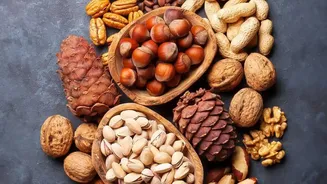
A genuine nutritional upgrade in healthier sweets comes from the choice of flours and fats. Many modern recipes swap refined flour (maida) for whole grains like ragi (finger millet), oats, or quinoa flour. These whole grains significantly increase the fibre, protein, and nutrient content of the sweet, making it more filling and lowering its overall glycemic index. Similarly, sweets that use nuts and seeds as their base are rich in healthy fats, protein, and fibre. Choosing baked versions of sweets like shakarpara or gulab jamun over their deep-fried counterparts also helps reduce the overall fat and calorie content, making them a genuinely lighter option.
The Unbeatable Truth: Portion Size Is Everything
Ultimately, the most significant factor in enjoying Diwali sweets healthily isn't the sweetener—it's the portion size. No matter how 'healthy' the ingredients, a sweet is still a calorie dense treat. Nutrition experts agree that a healthy lifestyle is not about complete restriction but about mindful indulgence. Rather than sampling every sweet on the platter, it's better to choose one or two of your absolute favourites and savour them slowly. Eating a small portion after a balanced meal, rather than on an empty stomach, can also help slow down sugar absorption and prevent sharp spikes in blood glucose. The goal is to enjoy the festive flavours without overeating.