




Your Gut: A Thriving Inner Garden
Imagine your gut as a bustling, diverse garden, home to trillions of microorganisms known collectively as the gut microbiome. This inner ecosystem is crucial for everything from digestion and nutrient absorption to immune function. The key to a healthy
garden is diversity. A wide variety of beneficial bacteria helps maintain balance, preventing harmful microbes from taking over and ensuring your body runs smoothly. When this diversity suffers, it can lead to issues like bloating, poor digestion, and even impact long-term health. The food you eat is the primary factor that shapes this internal world, making your breakfast choice far more significant than you might think.
Idli Batter: A Living, Fermented Powerhouse
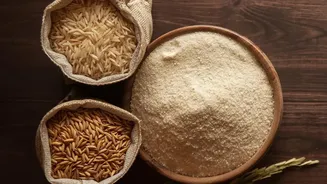
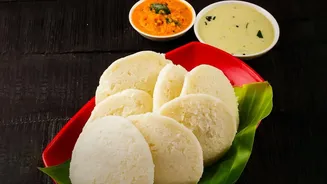
The magic of idli begins long before it's steamed. The batter, a simple mix of rice and urad dal, is left to ferment naturally for hours. This ancient process transforms the ingredients into a vibrant, living ecosystem. Wild yeasts and beneficial lactic acid bacteria, like Leuconostoc mesenteroides and Lactobacillus, get to work breaking down carbohydrates and proteins. This fermentation acts as a form of 'pre-digestion,' making the final idli incredibly easy on the stomach. While the steaming process kills the live probiotic bacteria, the benefits of their work remain. The batter becomes a rich source of metabolic byproducts and serves as an excellent prebiotic—food for the good bacteria already living in your gut.
Unlocking Nutrients Naturally
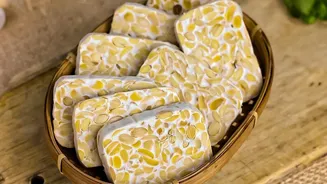
Fermentation does more than just aid digestion; it fundamentally enhances the nutritional value of the food. Grains and lentils contain 'anti-nutrients' like phytic acid, which can bind to minerals such as iron, zinc, and calcium, preventing your body from absorbing them. The fermentation process significantly reduces these anti-nutrients. The bacteria produce enzymes that break down phytic acid, effectively 'unlocking' the minerals and making them more bioavailable for your body to use. Furthermore, these helpful microbes synthesize B vitamins, adding another layer of natural nutrition that wasn't present in the raw ingredients.
The Case Against Processed Cereals
In stark contrast, many processed breakfast cereals offer a simplified, and often less beneficial, nutritional profile. The journey from grain to cereal box often involves high-heat processing that strips away natural fibres and micronutrients. To compensate, manufacturers fortify these products by adding a cocktail of synthetic vitamins and minerals. While 'fortified' sounds healthy, these lab-made nutrients aren't always identical to their natural counterparts. They often lack the co-factors and compounds found in whole foods that help our bodies recognize and absorb them effectively. Moreover, these cereals are frequently loaded with added sugars, which can feed less desirable gut bacteria and contribute to inflammation.
Why Natural Complexity Wins
The superiority of fermented idli batter lies in its biological complexity. It provides a matrix of pre-digested carbohydrates, bioavailable minerals, naturally occurring vitamins, and prebiotic fibres that work in synergy to support a diverse microbiome. It’s a complete system. Processed cereals, even when fortified, deliver isolated nutrients in a simplified, often sugary, base. Feeding your gut with idli is like adding rich, living compost to your inner garden, providing a complex banquet that encourages a wide variety of beneficial microbes to flourish. Processed cereals can be more like a fast-food meal—providing calories and a few isolated nutrients, but lacking the intricate, wholesome structure that truly cultivates a resilient gut ecosystem.