


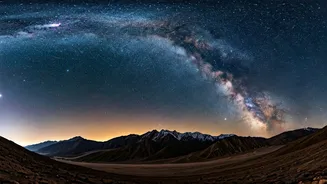


What Are the Delta Aquariids?
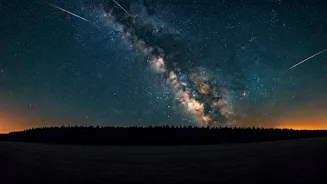
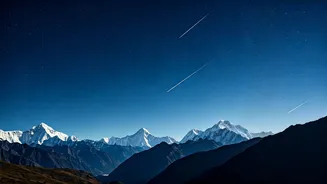
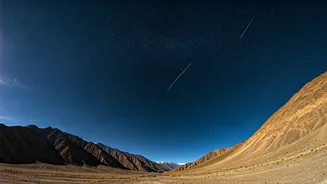
The Delta Aquariid meteor shower is an annual celestial event that occurs when Earth passes through a stream of debris left behind by a comet. In this case, the parent is thought to be Comet 96P/Machholz, which was discovered in 1986. As these tiny particles
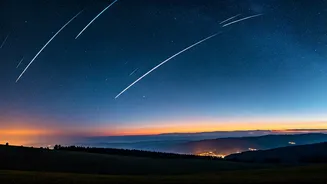
of dust and rock, many no bigger than a grain of sand, hit our atmosphere at high speeds, they burn up and create the fleeting streaks of light we call meteors or shooting stars. The shower gets its name because the meteors appear to radiate from a point near the star Skat (Delta Aquarii) in the constellation Aquarius. While best viewed from the Southern Hemisphere, India's location gives us a good vantage point to catch the show.
Peak Viewing and a Lunar Challenge
The Delta Aquariids are active from mid-July to late August. The peak, when the most meteors are expected, occurs around July 30, 2026. Under perfect conditions—a dark, clear sky—you might see 15 to 25 meteors per hour. However, there's a significant challenge for 2026: a bright moon. The full moon falls on July 29, meaning its brilliant glare will wash out many of the fainter meteors during the peak nights. This makes finding a truly dark viewing spot more important than ever.
The Best Time and Strategy for India
Given the bright moonlight on the peak nights of July 30 and 31, your best strategy is twofold. First, try watching in the week before the peak. The mornings of July 21 to July 26 will be moon-free in the pre-dawn hours, offering a darker canvas. Second, if you do watch around the peak, the best time will be after midnight and before dawn, specifically between 1:30 a.m. and 4:30 a.m. IST, when the radiant point in the Aquarius constellation is highest in the southern sky. Patience will be key, as the bright moon will reduce the number of visible meteors significantly.
Your Stargazing Checklist
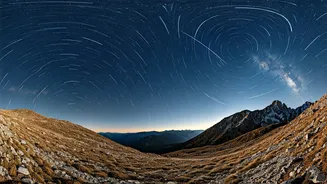
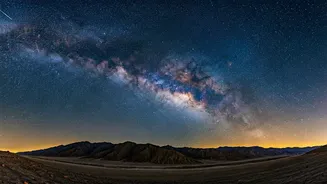
Meteor showers are a naked-eye phenomenon, so no special equipment is needed. In fact, telescopes or binoculars are not recommended as they limit your field of view. To maximize your chances, find a location far from city and street lights, as light pollution is your biggest enemy. Lie on a blanket or recline in a chair to get a wide view of the sky. Give your eyes at least 20 to 30 minutes to fully adapt to the darkness—and that means putting your phone away. While the meteors radiate from the south, they can appear anywhere, so look about 45 degrees away from the radiant point for longer, more dramatic streaks.
Managing Expectations: Monsoon and More
Another major factor for skywatchers in India during late July is the monsoon. Cloudy skies can easily spoil a viewing night. It’s essential to check your local weather forecast before heading out. But don't be discouraged. The Delta Aquariids offer a steady, if not dramatic, stream of meteors over several weeks. Think of this shower as a gentle warm-up for the much more famous Perseid meteor shower, which peaks in mid-August under what will hopefully be clearer, darker skies. Catching even a few of these faint travelers from Comet Machholz is a quiet, rewarding experience.