







The New Sweeteners on the Block
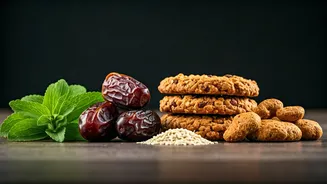
The term 'natural sweetener' covers a wide array of options. On one side, you have traditional sweeteners like jaggery and date syrup, which are being rebranded for a health-conscious urban audience. On the other, a new generation of plant-derived, often
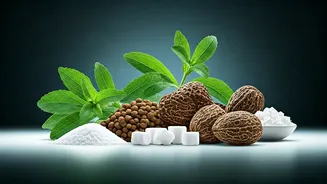
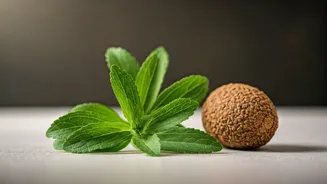
zero-calorie, alternatives are gaining ground. The most prominent among these are stevia, extracted from the leaves of the Stevia rebaudiana plant, and monk fruit extract. Both are intensely sweet, meaning only a tiny amount is needed. Other players include sugar alcohols like erythritol, which are found naturally in some fruits but are commercially produced for use in food products. These sweeteners are appearing in everything from biscuits and protein bars to flavoured yoghurts and beverages.
Why the Sudden Health Kick?
This shift is not accidental; it is a direct response to a massive change in consumer behaviour. Indian consumers are more health-conscious than ever before. With rising rates of lifestyle diseases like diabetes—India now has over 100 million people with the condition—and obesity, shoppers are actively scanning labels for healthier choices. A recent report highlighted that 61% of Indian consumers prefer snacks sweetened with natural ingredients like jaggery or dates over refined sugar. This demand for 'clean labels' and transparent ingredients is forcing brands to innovate and reformulate their products to remove or reduce refined sugar. The Indian healthy snacks market is now growing at nearly 10% annually, outpacing the global average.
Not All 'Natural' Is Created Equal
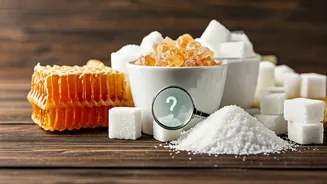
Here's where it gets complicated. The word "natural" can be a marketing halo, but it doesn't automatically mean a product is healthier. Traditional sweeteners like jaggery and honey, while less processed and containing trace minerals, are still fundamentally sugars. They contain calories and can cause significant spikes in blood sugar, similar to regular table sugar. Zero-calorie sweeteners like stevia and monk fruit, on the other hand, do not raise blood glucose levels, making them a potentially better option for individuals managing diabetes or their weight. However, some people find they have a bitter or unusual aftertaste. Sugar alcohols like erythritol are generally well-tolerated but can cause digestive issues for some if consumed in large quantities.
How to Be a Smart Snacker
Navigating this new world of sweetness requires a bit of detective work. First, don't be swayed by front-of-pack claims like "no refined sugar." Always turn the package over and read the full ingredient list. If a product uses jaggery, honey, or date syrup, treat its sugar content just as you would regular sugar. If it uses stevia or monk fruit, it's likely to be lower in calories and sugar, but check for other ingredients that might add calories, like refined flour or fats. According to a 2026 report, 62% of Indian consumers now consider ingredient transparency the most important factor when choosing a snack brand. Understanding these new sweeteners empowers you to make choices that align with your personal health goals, moving beyond marketing claims to make genuinely informed decisions for yourself and your family.