




The Green Shift in Urban Homes
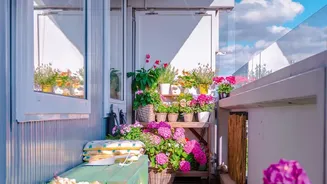
Across India's bustling cities, a quiet revolution is taking place on balconies, windowsills, and in forgotten corners of apartments. Professionals, young families, and students are embracing greenery as an antidote to their fast-paced, digitally-driven
lives. With smaller living spaces and longer working hours, the traditional, sprawling garden is a distant dream for many. Yet, the desire to connect with nature has never been stronger. This has given rise to the trend of low-maintenance gardening—a practical approach that fits seamlessly into a packed schedule. It’s about enjoying the benefits of plants, like cleaner air and reduced stress, without the need for constant, demanding care.
What 'Low-Maintenance' Really Means
The term 'low-maintenance' doesn't mean 'no-maintenance'. Instead, it refers to a smart way of gardening that minimises effort and maximises reward. It's about choosing resilient plants that forgive occasional neglect, thrive in pots, and are well-suited to India's diverse climates. These plants typically require less frequent watering, can tolerate varying light conditions, and don't need constant pruning or feeding. Think of it as creating a self-sufficient green space that works with your lifestyle, not against it. By focusing on hardy species, you can build a lush, beautiful garden that remains attractive year-round with minimal intervention.
Your Starter Kit: Five Foolproof Plants
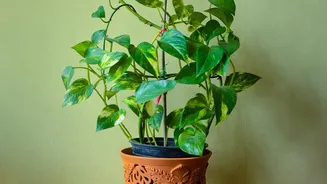
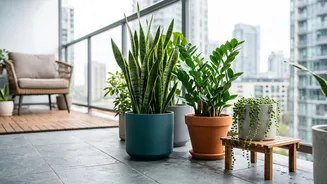
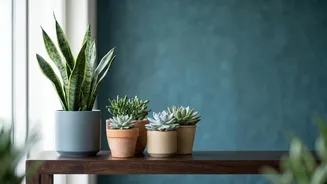
Ready to start your green journey? Here are five nearly indestructible plants perfect for beginners and busy households in India: 1. Snake Plant (Sansevieria): Often called 'mother-in-law's tongue', this plant is a champion of neglect. It tolerates low light, requires very little water, and is renowned for its air-purifying qualities. 2. ZZ Plant (Zamioculcas zamiifolia): With its glossy, dark leaves, the ZZ Plant adds a touch of elegance to any room. It's extremely drought-tolerant and can survive in low-light areas, making it ideal for frequent travellers or forgetful waterers. 3. Money Plant (Epipremnum aureum/Pothos): A favourite in Indian homes for good reason. The Money Plant is incredibly versatile, growing happily in soil or just water. Its trailing vines look beautiful on shelves and require very little care to thrive. 4. Peace Lily (Spathiphyllum): If you want a flowering plant without the fuss, the Peace Lily is a great choice. It produces elegant white blooms even in lower light and has a helpful habit of drooping its leaves slightly to let you know when it's thirsty. 5. Areca Palm (Dypsis lutescens): For a tropical feel, the Areca Palm is an excellent pick. Its feathery fronds add a sense of luxury, and it's known to be one of the best plants for purifying indoor air.
Smart Tips for the Time-Pressed Gardener
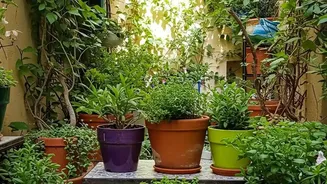
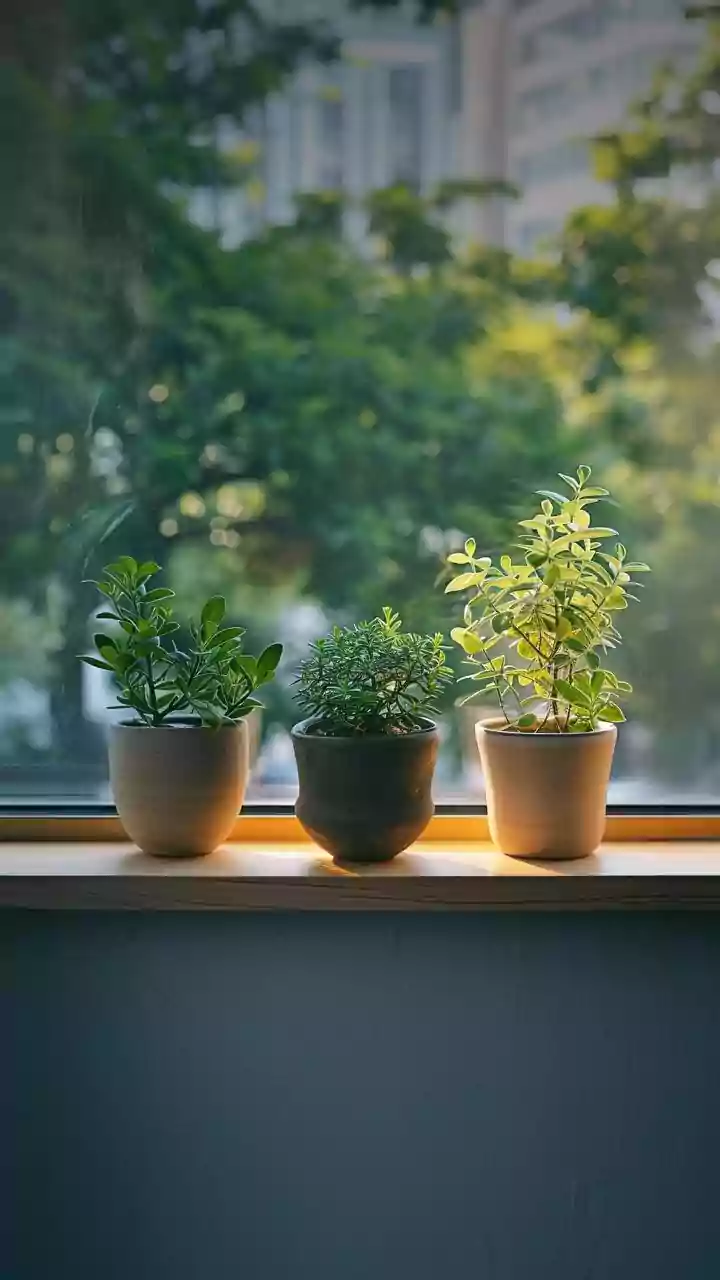
Beyond choosing the right plants, a few simple strategies can make your gardening experience even easier. Grouping plants with similar light and water needs together saves you from having to remember individual care routines. Using well-draining soil prevents overwatering, a common mistake for new plant parents. For those with particularly hectic schedules, self-watering pots can be a game-changer, providing a steady supply of moisture without daily attention. Don't be afraid to start small—even a single plant on your desk or windowsill can make a big difference. The key is to build a habit that feels joyful, not burdensome.
More Than Just Decor
The benefits of bringing plants into your home extend far beyond aesthetics. Studies have shown that interacting with indoor plants can reduce both psychological and physiological stress, leading to lower blood pressure and a calmer state of mind. Having greenery in your workspace has been linked to increased productivity, creativity, and focus. In a very real sense, caring for a plant is an act of self-care. It provides a screen-free hobby, a connection to the natural world, and the quiet satisfaction of watching something grow because of your gentle effort.