






Beyond a Simple Weather Check
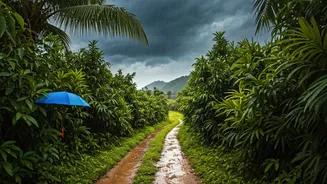
Simply glancing at a 'rain or shine' forecast is no longer enough. For a truly seamless trip, especially during India's varied seasons, a deeper dive into the weather is crucial. The monsoon season (typically June to September) can bring heavy rainfall,
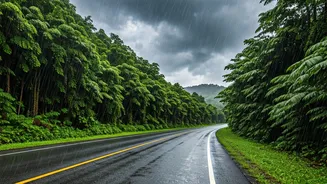
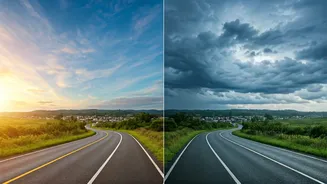
leading to lush, beautiful landscapes but also the risk of landslides and flooding, particularly in hilly regions like Himachal Pradesh or the Western Ghats. [7, 12, 15] Modern weather apps can provide detailed, hour-by-hour forecasts. The government's own MAUSAM app, from the India Meteorological Department (IMD), provides access to forecasts and radar imagery. [10] Other popular third-party apps like Meteored offer detailed local reports, including alerts for severe weather, air quality, and even pollen levels, which can be a lifesaver for those with allergies. [9] Before you pack, check not just for rain but for humidity levels, which can make a temperate day feel much hotter, and for extreme temperature warnings. [9, 24] This allows you to pack appropriate quick-drying clothes and essential rain gear. [3, 8]
Is Your Route Clear? Check Roads and Transport
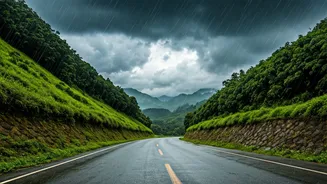
A clear destination is useless if you can't get there. Before setting off on a road trip, checking for traffic conditions is essential. Apps like MapmyIndia and platforms like ViaMichelin provide real-time traffic updates, highlighting congestion, accidents, and roadworks that could cause significant delays. [17, 23] Some apps even partner with local traffic police to give real-time updates on diversions, speed limits, and accident-prone zones. [21] During monsoon season, routes in mountainous areas are especially vulnerable to landslides, which can close roads for hours or even days. [4, 12] If you're relying on public transport, remember that train schedules can change and that strikes or maintenance work can affect services. It’s always wise to book train tickets well in advance, especially on popular routes, using official sites or trusted third-party vendors. [12] Having a reliable local SIM card can be invaluable for checking these updates on the go. [19, 20]
Confirming Your Destination is Actually Open
Arriving at a long-awaited tourist spot only to find it closed is a common travel disappointment. Many historical monuments, museums, and national parks have specific operating hours and weekly closing days. For example, the Taj Mahal is closed to the general public every Friday. [11, 16] Opening hours for government-run sites can also be affected by public holidays, which often follow different calendars and fall on different dates each year. [12] It's also not uncommon for attractions to have temporary closures for maintenance, special events, or VIP visits. [19] Before you finalise your itinerary, visit the official website of the attraction or the local tourism board. In some cases, opening hours have been extended to boost tourism, offering more flexibility, but verifying this information from a credible source is key. [14] A quick phone call or check on their official social media page can save you a wasted journey.
The Impact of Local Events and Holidays
Your short break might coincide with a local festival or a major public event. This can be a double-edged sword. On one hand, you might stumble into a vibrant cultural celebration that becomes the highlight of your trip. On the other, it can mean that hotels are fully booked, restaurants are overflowing, and roads are blocked. Always check a calendar of public holidays and regional festivals for your destination before you book. [12, 24] For example, major festivals can lead to a surge in travel, making last-minute bookings nearly impossible. [12] Conversely, some businesses and government offices may close during these times, limiting your options. [19] Being aware of the local calendar allows you to either plan your trip to avoid the crowds or to embrace the festivities as part of your experience, but the key is to know in advance so you can manage your expectations and logistics accordingly.
Creating a Flexible, Resilient Itinerary
The final step is to build an itinerary that can bend without breaking. Instead of a rigid, minute-by-minute schedule, create a plan with built-in flexibility. Research a few alternative activities or backup restaurants in the area. If your primary plan to visit a hilltop viewpoint is thwarted by heavy fog and rain, having a great indoor option—like a local museum, an interesting market, or a well-regarded cafe—means your day is adapted, not ruined. This is especially important when travelling during unpredictable weather seasons like the monsoon. [7] Choosing flexible bookings for hotels and transport, which allow for cancellations or rescheduling, can also provide peace of mind. [4] A good plan isn't just about what you'll do; it's also about what you'll do if you can't do what you'd planned. This proactive approach turns potential travel disasters into minor detours, ensuring your precious time off remains relaxing and enjoyable.