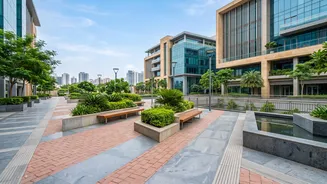








For decades, the sound of an Indian city was the roar of traffic. But a new philosophy is taking root among urban planners, one that seeks to redesign our cities not for cars, but for people, transforming congested roads into vibrant public spaces.
The Legacy of Car-First Planning
For
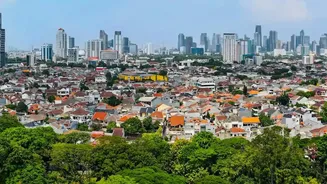
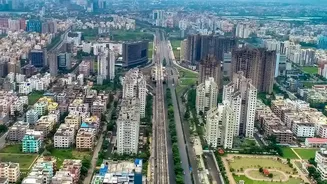
much of the late 20th and early 21st centuries, urban development in India followed a familiar script: wider roads, more flyovers, and a focus on moving vehicles as quickly as possible. This approach, often seen as a marker of progress, has led to staggering consequences. Congestion costs the nation billions annually, and many of India's cities suffer from severe air pollution. More subtly, this vehicle-centric planning has eroded the public realm. Footpaths disappeared to make way for traffic, neighbourhood parks shrank, and streets became hostile environments for pedestrians and cyclists. This planning model treated public spaces as an afterthought—the leftover land between buildings—rather than a vital component of a healthy city. The result is a landscape where the majority of citizens, who rely on walking or public transport, are often marginalised.
A Shift to Human-Centric Design
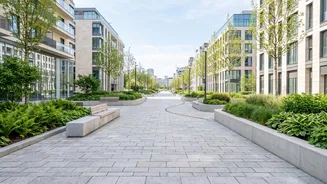
A growing movement among urban planners is pushing back against this legacy, advocating for a 'human-centric' approach. The central question is no longer 'How do we move cars more efficiently?' but 'How do we create places where people want to be?'. This philosophy prioritizes walkability, safety, and community interaction. It acknowledges that streets are not just for transport but are also social and economic lifelines. This shift was accelerated by the COVID-19 pandemic, which highlighted the deep human need for accessible local parks and open areas for well-being. The new goal is to create 'complete streets' and 'livable neighbourhoods' that serve everyone, from young children to the elderly, by making cities safer and more inclusive.
Putting Theory into Practice
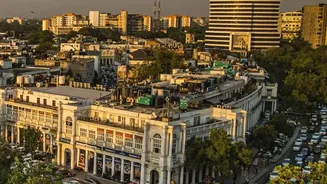
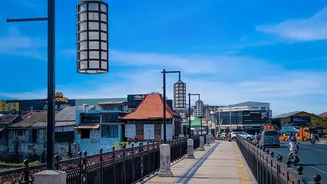
This new thinking is no longer just theoretical. Across India, cities are experimenting with redesigns that reclaim space for people. In Chennai, an ambitious Non-Motorised Transport (NMT) policy has led to the creation of over 100 kilometres of pedestrian-friendly streets, complete with wide, continuous footpaths. Studies there found that the improved footpaths led to a significant number of people choosing to walk instead of using private vehicles, reducing emissions and improving public health. Similarly, Delhi's Chandni Chowk has undergone a major redevelopment, restricting vehicular traffic to create a pedestrian-focused commercial hub. Projects like the 'Walkable Kochi' initiative aim to audit and upgrade pedestrian infrastructure across the entire city, ensuring safer and more accessible streets for all. These projects demonstrate a commitment to prioritising people over vehicles.
The Social and Economic Benefits
Creating better public places offers more than just aesthetic improvements. Well designed plazas, parks, and waterfronts become vibrant hubs of community life, fostering social interaction and a sense of belonging. They are also economic engines. Pedestrian friendly commercial streets often see a boost in local business, as people are more likely to linger and shop. Safe and accessible public spaces also improve public health by encouraging walking and cycling, and providing areas for recreation and stress reduction. Furthermore, inclusive design makes cities more equitable. When streets are safe for women, children, and the elderly, it expands their access to opportunities and enhances their quality of life. Ultimately, investing in public spaces is an investment in a city's social fabric and economic vitality.
Challenges on the Path Forward
Despite growing momentum, this transition is not without its hurdles. Decades of car focused development are difficult and expensive to undo. Planners face challenges with land acquisition, securing funding, and navigating the political will to implement long term changes. In densely populated areas, reallocating space from vehicles to people can meet with resistance. Moreover, true success requires a fundamental shift in governance, moving from a top down approach to a more participatory one where citizens are involved in shaping their own neighbourhoods. Many urban areas still lack comprehensive master plans, leading to unregulated growth that undermines these efforts. Overcoming these obstacles requires sustained commitment from policymakers, planners, and residents alike.