


A Land of Dramatic Contrasts
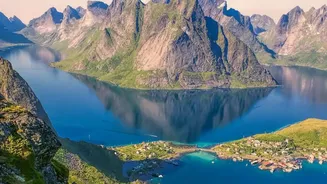
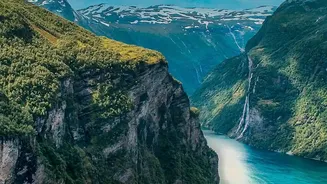
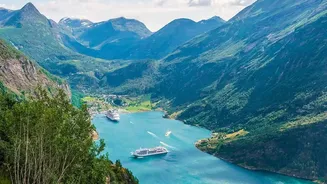
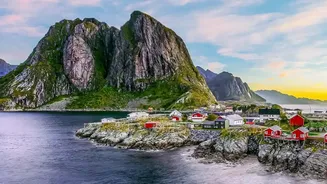
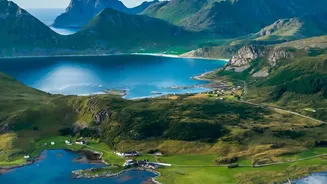
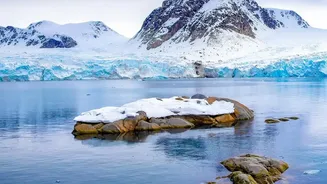
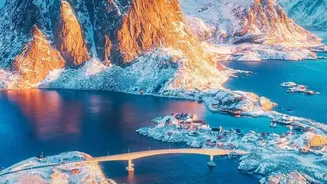
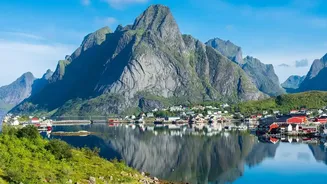
Senja, Norway's second-largest island, is a place where nature operates on a grand scale. Located far above the Arctic Circle, its western coast is a formidable wall of jagged granite peaks that plunge directly into the sea. This dramatic coastline is deeply
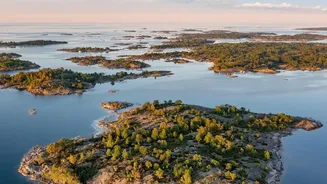
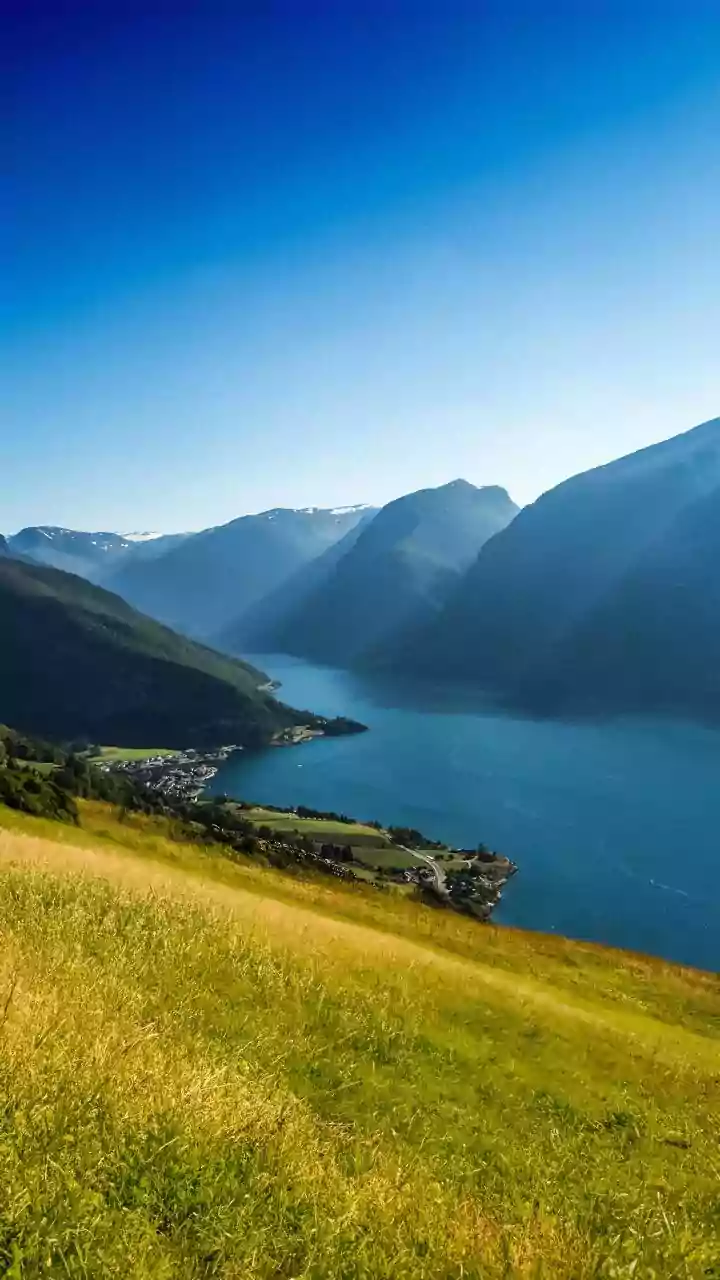
carved by fjords, creating a stunning interplay of mountain and water. The landscape here is in constant motion, with weather and light shifting from steel-grey to gold in the space of an hour. In contrast, the island's interior and eastern side, facing the mainland, are softer, with rolling hills and ancient pine forests found in Ånderdalen National Park. This diversity is why Senja is often called 'Norway in Miniature', offering a concentrated dose of the country's most iconic scenery.
Driving the National Scenic Route
The best way to experience Senja's epic coastline is by car along the Norwegian Scenic Route Senja. This 102-kilometre road winds its way between Botnhamn and Gryllefjord, hugging the shoreline and offering a continuous stream of jaw-dropping views. The route includes several architectural viewpoints designed to enhance the landscape. At Bergsbotn, a 44-metre-long platform extends out from the mountainside, providing a panoramic vista of the Bergsfjorden and surrounding peaks. Another essential stop is Tungeneset, where a wooden walkway leads you over coastal rocks for a perfect view of the sharp, tooth-like Okshornan mountain range, often called the 'Devil's Teeth'. The drive itself is an adventure, with steep, winding sections that demand your full attention but reward you with unparalleled beauty.
Hiking the Iconic Peaks
For many visitors, the true magic of Senja is discovered on foot. The island is a hiker's paradise, with trails for all abilities. The most famous peak is the sail-shaped Segla, which has become an icon of the island. While the climb to its summit is strenuous, the most classic photo is actually taken from the neighbouring peak, Hesten. The hike up Hesten provides a breathtaking view of Segla's sheer cliff face dropping 600 metres into the fjord below. For those seeking a less crowded but equally rewarding trek, Husfjellet offers a gentler path with stunning 360-degree panoramas of the fjords. Trails are generally well-marked, but the terrain can be steep and muddy, so proper footwear is essential.
Fjords, Beaches, and Fishing Villages
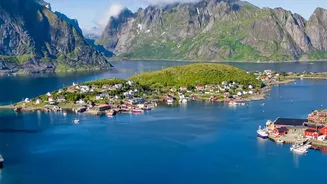
Senja's coastline is not just about mountains; it's also dotted with pristine beaches and charming fishing villages. Ersfjordstranda is a stunning arc of white sand framed by steep mountains, a popular spot to appreciate the contrast between the gentle beach and the rugged peaks. The small villages provide a glimpse into the local culture, which is deeply connected to the sea. Take a short detour to Husøy, a tiny, vibrant fishing community on its own island, connected by a causeway, where houses are sometimes anchored with cables to withstand winter storms. Other picturesque villages like Gryllefjord and Mefjordvær offer a sense of peaceful isolation and authentic coastal life.
Arctic Light: Midnight Sun and Northern Lights
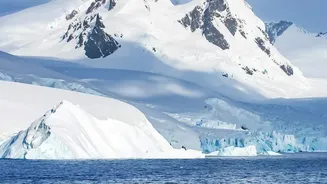
Senja's position above the Arctic Circle makes it a prime location for witnessing two of nature's most incredible light shows. In summer, from mid-May to late July, the Midnight Sun phenomenon means the sun never sets, bathing the landscape in a warm, golden light for 24 hours a day. This allows for round-the-clock activities, from midnight hikes to late-night beach strolls. Conversely, the long, dark nights of winter, from September to March, create the perfect stage for the Aurora Borealis, or Northern Lights. On clear nights, the sky comes alive with dancing ribbons of green, purple, and pink light, a truly unforgettable spectacle against the backdrop of snow-covered mountains.