






Give Your Vehicle a Monsoon Tune-Up
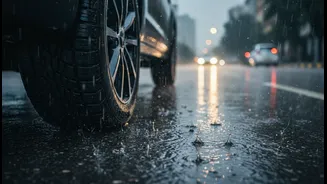
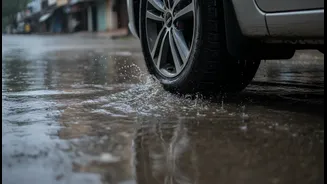
Before you hit the wet roads, a thorough vehicle check is non-negotiable. Your tyres are the first line of defence against slippery surfaces, so ensure they have adequate tread depth for good grip. Worn tyres significantly increase the risk of hydroplaning,
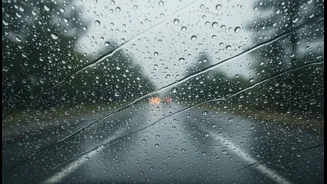
where a layer of water builds between the tyres and the road, leading to a loss of control. Equally important are your brakes. Wet conditions increase braking distance, so get your brake pads and fluid levels checked. Finally, inspect your wiper blades, which can harden and crack during the hot summer months. Replace them if they leave smudges, ensuring you have clear visibility during a downpour. Also check that all lights—headlights, taillights, and indicators—are functioning properly for visibility.
Drive Smart, Not Fast
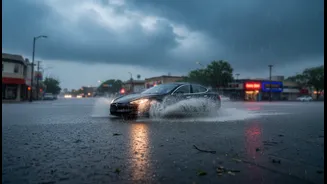
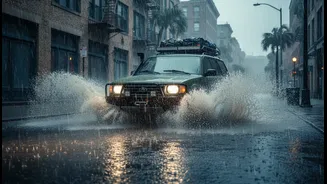
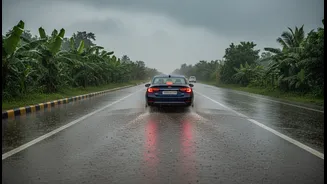
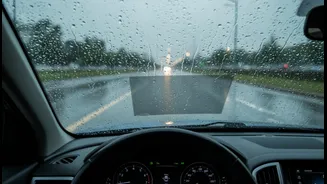
Driving during a downpour requires a shift in habits. The most important rule is to reduce your speed. This gives you more reaction time and helps maintain control. Maintain a greater distance from the vehicle in front of you than you would in dry conditions. If you encounter a waterlogged street, avoid it if possible. It’s difficult to gauge the water's depth, which could conceal potholes or open drains. If you must drive through water, do so slowly and steadily in a low gear, keeping the engine revs up to prevent water from entering the exhaust pipe. Never try to restart your car if it stalls in water, as this can cause severe engine damage.
Prioritise Health and Hygiene
The monsoon season is notorious for a spike in water-borne and vector-borne diseases. Mosquitoes, which transmit illnesses like dengue and malaria, breed in stagnant water. Use insect repellent and wear long-sleeved clothing to minimise bites. Be cautious about food and water consumption. Avoid street food, especially raw or pre-cut items, as the high humidity promotes bacterial growth. Stick to freshly cooked, hot meals and drink only bottled or boiled water to prevent gastrointestinal infections. Always wash your hands thoroughly with soap and water or use a hand sanitiser, especially before eating.
Pack a Monsoon-Ready Kit
Whether you're on a daily commute or a long road trip, a well-stocked emergency kit is a lifesaver. For your car, this should include a torch, a first-aid kit, a tow rope, and basic tools. Since traffic jams are common, keeping non-perishable snacks and drinking water in the car is a good idea. For your personal bag, a sturdy, wind-resistant umbrella and a lightweight raincoat are obvious must-haves. It’s also wise to protect your electronic devices. Use waterproof bags or zip-lock pouches for your phone, wallet, and important documents. A fully charged power bank is crucial, as power cuts can be frequent during heavy rains.
Dress for the Occasion
Your clothing and footwear choices can make a huge difference in your comfort and safety. Opt for lightweight, synthetic fabrics like polyester and nylon that dry quickly. Avoid heavy fabrics like denim and cotton, which stay wet for a long time. When it comes to footwear, choose sandals or floaters with a good grip to navigate slippery, uneven surfaces. If you get caught in the rain, change out of wet clothes as soon as possible to prevent fungal infections and to avoid catching a cold.
Stay Informed and Flexible
Weather in the monsoon can be unpredictable. Before starting any journey, check the latest weather forecasts and traffic updates. Heavy rains can cause sudden road closures or transport delays. If you have travel plans, build some flexibility into your schedule to accommodate potential disruptions. Keep your mobile phone charged and important emergency numbers saved. Being prepared for delays and having a backup plan will reduce stress and help you handle unexpected situations calmly.