

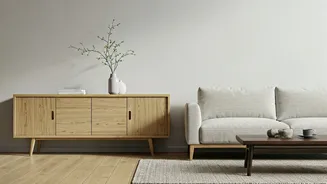
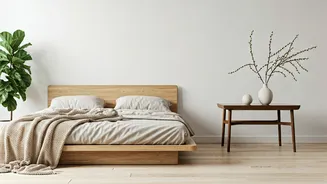


The Soul of Japandi Design
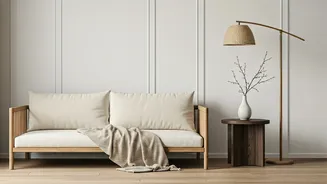
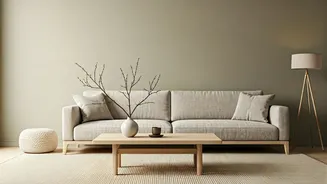
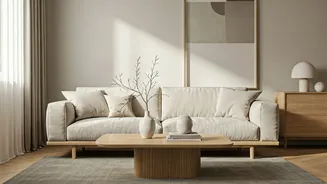
Before you start hunting for the perfect box, it helps to understand the philosophy you’re inviting into your home. Japandi isn’t just a look; it’s a feeling. It marries the rustic minimalism of Japanese design with the soft, functional warmth of Scandinavian
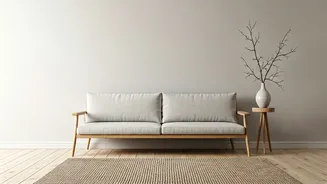
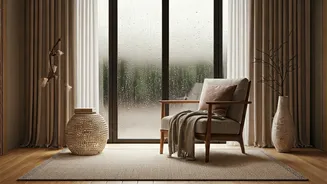
aesthetics. Think clean lines, neutral colour palettes, and an abundance of natural materials like wood, linen, and stone. At its core, Japandi celebrates simplicity, craftsmanship, and a deep connection to nature. It also embraces the Japanese concept of 'wabi-sabi'—finding beauty in imperfection, age, and authenticity. It’s about creating a sanctuary that is uncluttered but not sterile, and beautiful but not ostentatious.
Why a Humble Wooden Box Works Wonders
So, where does a simple wooden box fit in? Perfectly. A vintage box is the embodiment of wabi-sabi. Its scratches, dents, and weathered patina tell a story, adding a layer of history and character that new, mass-produced items lack. The natural wood grain brings warmth and an organic element, breaking up the monotony of smooth, perfect surfaces. Functionally, it offers storage, which is key to the minimalist aspect of Japandi—a beautiful way to hide clutter and maintain a sense of order. It's a sustainable choice, a functional piece of art, and a nod to craftsmanship all in one.
Style It as a Functional Side Table
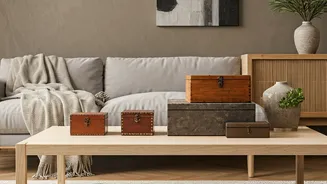
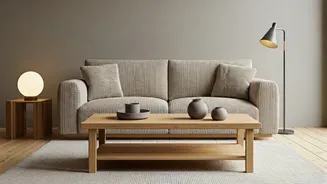
One of the most effective ways to incorporate a larger vintage box is by repurposing it as a side table or a coffee table base. A sturdy old crate or a small chest placed next to a sofa or an armchair offers a perfect surface for a cup of tea, a book, and a small ceramic vase. Its low profile often complements the grounded, floor-focused furniture common in Japanese interiors. If you have several boxes of varying sizes, stacking them can create a unique, layered side table with built-in nooks for extra storage. This approach is both practical and visually striking, turning a simple storage item into a central feature.
Use It for Clutter-Concealing Storage
The Japandi philosophy values an uncluttered environment to promote a calm mind. Vintage wooden boxes are your best ally in this quest. Use a beautiful lidded box on a console table to hide remote controls, charging cables, and other modern-day necessities that disrupt a serene aesthetic. A deeper crate can be placed by the sofa to hold extra throw blankets or magazines. By containing the mess within an object that is itself beautiful, you achieve functionality without sacrificing form. This simple act of concealment elevates the entire room, making it feel more intentional and peaceful.
Create Height and Focus as a Riser
Don't just think of boxes as containers; think of them as platforms. On a bookshelf, mantelpiece, or media unit, flat surfaces can sometimes feel one-dimensional. Placing a small, handsome wooden box on its side or upside down creates a riser for other decorative objects. Use it to elevate a small sculpture, a favourite potted plant, or a scented candle. This simple trick adds height and dimension, drawing the eye and creating a more dynamic, curated display. It breaks the horizontal line and introduces a new layer of visual interest, making your arrangement feel more professional and thoughtfully composed.
How to Choose the Right Box
When searching for the perfect piece, look for character. Don't shy away from imperfections like scuffs, faded lettering from a past life, or old hardware. These details add authenticity. Consider the tone of the wood—lighter woods like pine or paulownia lean more Scandinavian, while darker, richer woods like teak or walnut feel more traditionally Japanese. Both can work beautifully. Pay attention to size and proportion. A tiny box can get lost in a large room, while a massive trunk can overwhelm a small space. Take measurements of where you plan to place it. Whether you find it at a flea market, an antique shop, or your grandparent's attic, the right box will feel like it has a story to tell.