





Sarson da Saag from Punjab
Winter in North India is incomplete without the earthy, robust flavours of Sarson da Saag. The star of this dish is 'sarson', or mustard greens, which are only available during the cold months. Mustard leaves have a unique, slightly bitter, and pungent
flavour that mellows and deepens with slow cooking. To balance this intensity, cooks traditionally blend sarson with other seasonal greens like spinach ('palak') and bathua ('chenopodium' or goosefoot). This trio of greens is cooked for hours until tender, then mashed into a rustic, creamy consistency. The final flourish of a 'tadka' with ginger, garlic, and onions in ghee transforms it into a hearty dish, perfectly paired with 'Makki di Roti' (maize flour flatbread). This iconic meal is a direct celebration of the winter harvest, embodying the agricultural rhythms of Punjab.
Gajar ka Halwa of North India
Come winter, and markets across North India are flooded with a specific type of sweet, juicy red carrot. These are not the orange varieties available year-round; their distinct flavour and colour make them the essential ingredient for Gajar ka Halwa. This beloved dessert is a testament to simple ingredients creating magic. The carrots are grated and then patiently slow-cooked in milk until all the liquid is absorbed, a process that can take hours. Ghee, sugar, and cardamom are added to create a rich, fragrant, and deeply comforting sweet. While some recipes use 'khoya' (milk solids) for a richer texture, the classic homemade version relies on the long cooking process to develop its signature flavour. It’s a dish synonymous with winter warmth, made possible only by the season's special carrot harvest.
Undhiyu from Gujarat
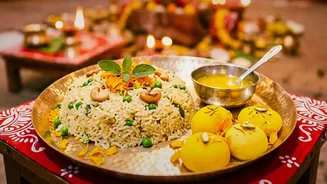
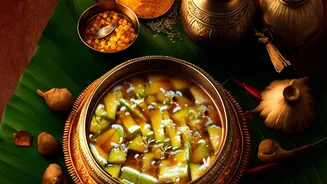
Undhiyu is Gujarat’s quintessential winter delicacy, a complex and celebratory dish that showcases the region's winter vegetable bounty. Its name comes from the Gujarati word 'undhu', meaning 'upside down', which refers to the traditional method of cooking it underground in sealed earthen pots. The dish is a masterful medley of seasonal vegetables that are at their peak during the colder months. This includes fresh green beans like Surti papdi, purple yam ('kand'), sweet potatoes, and small brinjals. These vegetables are combined with 'muthiya' (spiced fenugreek dumplings) and a special masala made from fresh coconut, coriander, and spices. The slow-cooking process allows the flavours of all the vegetables and spices to meld together, creating a dish that is both complex and incredibly wholesome. It is a true taste of a Gujarati winter.
Nolen Gur Sweets from Bengal
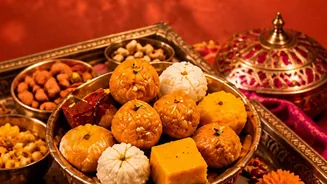
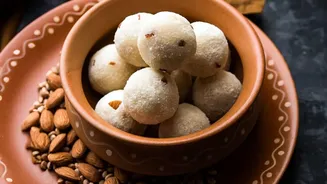
In Bengal, winter brings a treasure that perfumers can only dream of: 'Nolen Gur' or new jaggery. This is not ordinary jaggery made from sugarcane; it is derived from the sap of the date palm tree, a process possible only during the coldest months, typically from December to February. The sap, or 'rosh', is collected overnight in earthen pots when the cool temperatures prevent it from fermenting. It is then boiled for hours over wood fires, which imparts a unique smoky aroma and a delicate, caramel-like sweetness that is impossible to replicate. This liquid gold is used to create an entire ecosystem of iconic Bengali sweets, from 'Payesh' (rice pudding) and 'Sandesh' to the legendary 'Joynagar Moa'. The fleeting nature of Nolen Gur makes these sweets a cherished seasonal indulgence, a true and ephemeral taste of a Bengali winter.