


Raghurajpur: The Pattachitra Heritage Village
Just a short drive from Puri, Raghurajpur is not merely a village but an open-air art gallery. Declared a heritage village in 2000, nearly every house here is an artist's studio, with colourful murals adorning the outer walls. Raghurajpur is the heartland
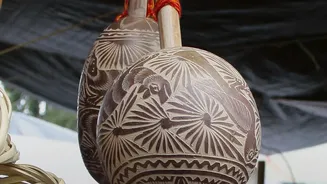
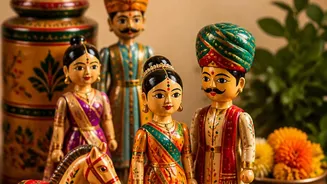
of Pattachitra, a traditional cloth-based scroll painting that dates back centuries. These intricate paintings depict mythological narratives and folklore using natural colours derived from minerals and plants. Artisans prepare the 'patta' (canvas) by coating cloth with a mixture of chalk and tamarind seed gum, which is then polished to create a smooth surface. Beyond Pattachitra, you'll find artists skilled in palm leaf engraving (Tala Pattachitra), wooden toy making, stone carving, and creating papier-mâché masks. A visit allows you to watch the artists at work, learn about their processes, and purchase authentic art directly from the source.
Pipli: A Riot of Applique Colour
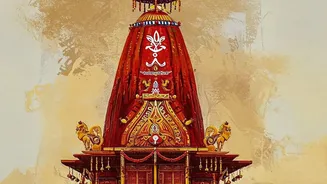
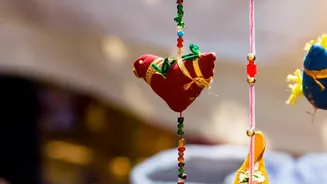
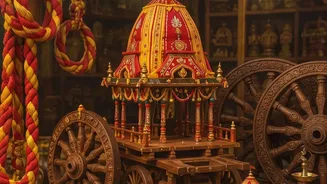
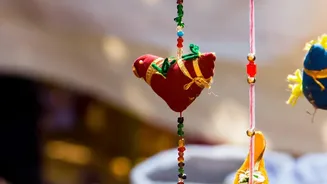
Located on the route between Bhubaneswar and Puri, Pipli is a small town that bursts with incredible colour. It is the epicentre of Odisha's famous applique work, known locally as 'Chandua'. This craft involves stitching brightly coloured and shaped fabric pieces onto a base cloth to create vibrant and intricate designs. Historically, the artisans of Pipli were commissioned to create canopies, banners, and umbrellas for the annual Rath Yatra festival at the Jagannath Temple in Puri. Today, while that tradition continues, the craft has expanded into a wide array of products. The main street is lined with shops selling everything from decorative umbrellas and garden parasols to handbags, wall hangings, lampshades, and cushion covers, all showcasing the playful and stunning motifs of animals, flowers, and gods.
Cuttack: The Silver City's Filigree
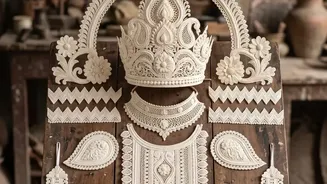
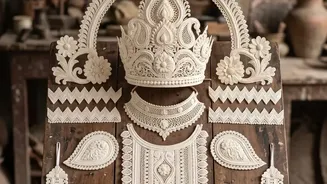
The ancient city of Cuttack is renowned for a craft of exceptional delicacy: Tarakasi, or silver filigree. This 500-year-old art form involves drawing pure silver into fine, thread-like wires and then shaping them into exquisitely detailed jewellery and decorative items. The artisans, whose skills have been passed down through generations, create lace-like patterns that are both intricate and durable. While jewellery like earrings, necklaces, and brooches are popular, you can also find showpieces depicting temples, animals, and the famous Konark Wheel. The craft has received a Geographical Indication (GI) tag, recognizing its unique origin and quality. Visiting Cuttack offers a chance to acquire a piece of this shimmering art that has been patronized by royalty for centuries.
Terracotta Traditions: The Earth's Art
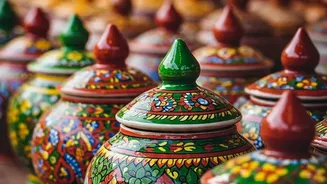
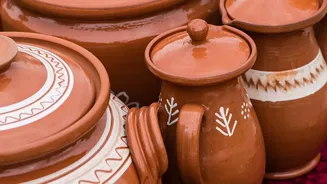
Across Odisha, particularly in villages like Barapali and those in the Sonepur and Koraput districts, you will find the ancient craft of terracotta. This art form, dating back millennia, involves shaping local clay into a variety of functional and decorative items. Odia artisans are known for creating everything from household pottery and votive animal figures—like horses and elephants offered in shrines—to intricately designed roof tiles. After being shaped by hand, the pieces are sun-dried and then fired in kilns, giving them their characteristic reddish-brown colour and durability. These earthy, rustic creations carry a timeless appeal and represent one of the most fundamental forms of human creativity, available in local markets and artisan villages throughout the state.
Ekamra Haat: A One-Stop Craft Hub
For those with limited time or who want a consolidated shopping experience, Ekamra Haat in Bhubaneswar is the perfect destination. Modelled after traditional rural markets, this large, open-air complex brings together artisans from all over the state under one roof. Spanning five acres, it features dozens of stalls where you can find a wide variety of Odisha's handlooms and handicrafts. Here, you can browse Pattachitra paintings, Pipili applique work, Sambalpuri Ikat sarees, Dhokra metal casting, stone carvings, and silver filigree. It’s an ideal place to find authentic souvenirs and gifts, as it allows artisans to sell their products directly to customers, often at fixed prices. The haat also features a food court serving traditional Odia cuisine, making it a wonderful cultural evening outing.