


Master the Art of Layering
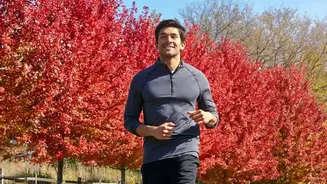
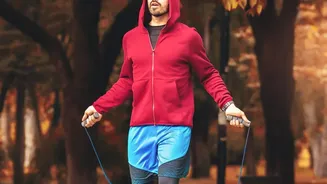
Dressing for an autumn workout is a science, and the golden rule is to layer. The goal is to stay warm without overheating once your body starts working. Think in threes: a base layer, a middle layer, and an outer layer. Your base layer, which sits against
your skin, should be made of a moisture-wicking synthetic fabric like polyester or a natural fibre like merino wool. This pulls sweat away from your body to keep you dry. Avoid cotton at all costs, as it holds moisture and can make you feel cold and damp. The middle layer provides insulation. A fleece or wool-blend pullover is perfect for trapping heat while still being breathable. Your outer layer is your shield against the elements. A lightweight, wind-resistant, and water-repellent jacket will protect you from blustery winds and unexpected showers, and it can easily be removed and tied around your waist if you get too warm.
Prioritise Your Warm-Up
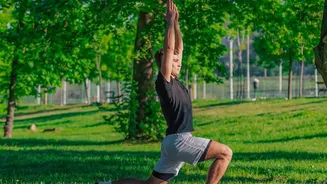
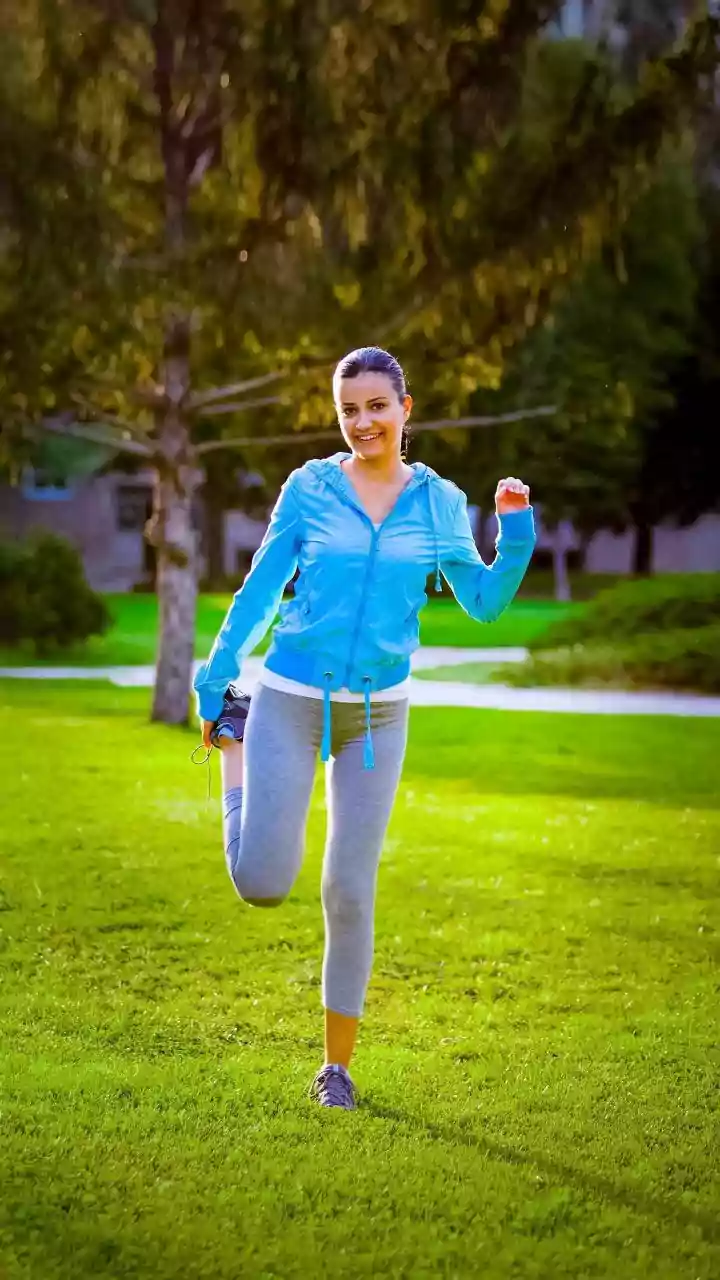
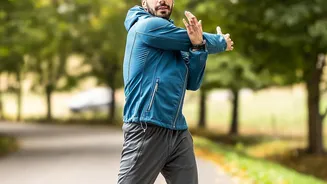
As the temperature drops, your muscles become colder and less flexible, increasing the risk of injury. A proper warm-up is always important, but it's non-negotiable in cooler weather. Before you head outside, spend 5 to 10 minutes doing some light exercises indoors to raise your body temperature and get your blood flowing. Focus on dynamic stretches—like leg swings, arm circles, and walking lunges—rather than static holds. This prepares your muscles, joints, and cardiovascular system for the work ahead, ensuring your body is ready for the change in temperature when you step out the door. A longer warm-up helps prevent stiffness and makes the initial chill more bearable.
Stay Safe in Lower Light
October means shorter days, so your morning or evening workouts may now be in the dark. Visibility is your top priority for safety. Wear bright or neon-coloured clothing so you can be seen by drivers, cyclists, and other pedestrians. Many athletic brands now incorporate reflective strips or details directly into their gear, which is a huge plus. For maximum safety, invest in a headlamp to illuminate your path and help you spot uneven surfaces, and consider blinking LED lights that can be clipped to your clothes or shoes. It's also wise to stick to familiar, well-lit routes and let someone know where you're going and when you expect to be back. Finally, consider leaving one or both headphones out to remain aware of your surroundings.
Don't Forget to Hydrate
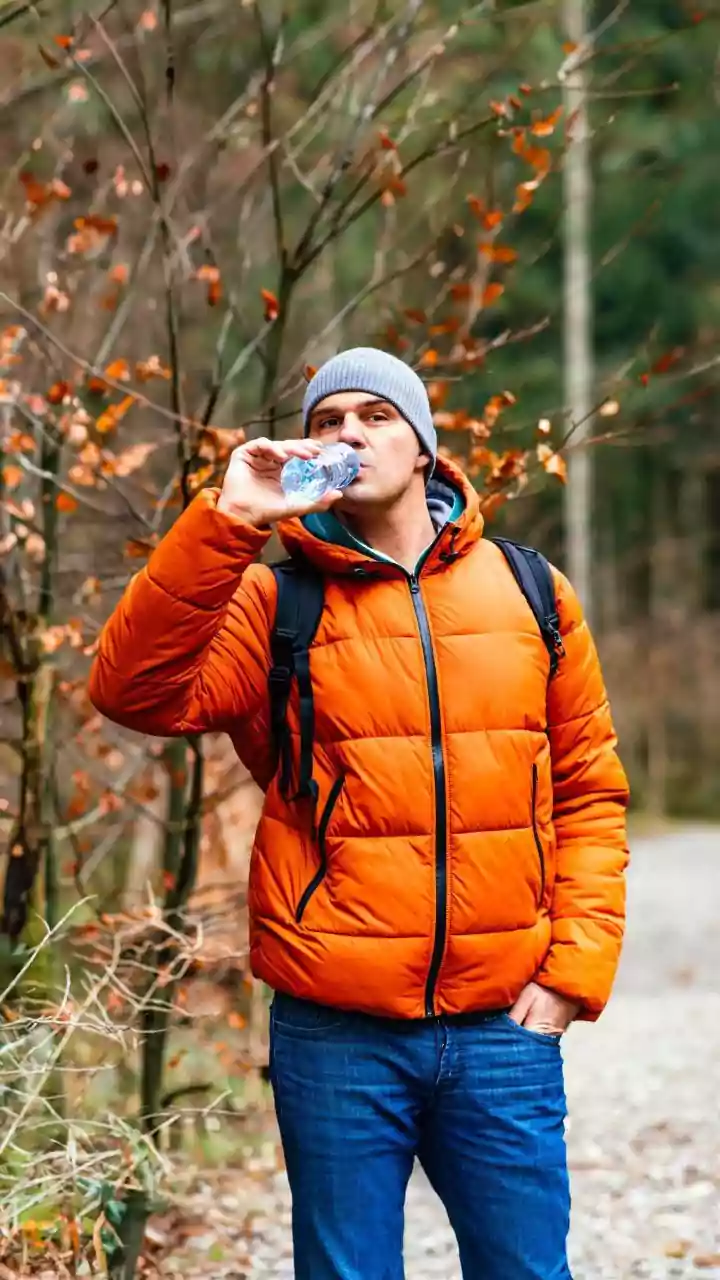
It's a common mistake to think you don't need as much water when it's cold because you might not feel as thirsty. However, you still lose fluids through sweat and respiration—you can often see your breath in the cold air, which is water vapour leaving your body. Dehydration can affect your performance and increase your risk of injury, even in cool weather. Make sure to drink water before, during, and after your workout, just as you would in the summer. Carrying a water bottle is just as essential in October as it is in July.
Adjust Your Mindset and Motivation
The mental shift can be as challenging as the physical one. Cooler air is denser, which can make breathing feel a little harder at first, and your body uses extra energy just to stay warm. Don't be discouraged if your pace is a little slower or you can't go for as long. Listen to your body and adjust your intensity. The crisp, cool air can actually boost endurance since your body isn't battling heat. To keep motivation high, try setting a new goal, like training for a local 5K. Exercising with a friend can also provide accountability and make workouts more enjoyable. Focus on the unique benefits of the season—the beautiful foliage, the refreshing air, and the quiet serenity of an autumn trail—to keep your spirits high.