



The Quest for Creamy Gravies
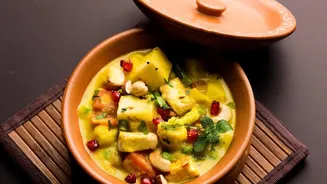
From the silken sauce of a Shahi Paneer to the velvety finish of a Chicken Korma, creaminess is central to the experience of many iconic Indian dishes. Traditionally, this texture is achieved with dairy products like heavy cream (malai), yoghurt (dahi),
or ghee. These ingredients not only thicken the gravy but also balance the robust spices, creating a harmonious and layered flavour profile. However, with more people opting for dairy-free diets due to lactose intolerance, health choices, or veganism, home cooks are increasingly seeking alternatives that deliver that same satisfying mouthfeel without compromising on taste or tradition.
Meet Magaz: The Traditional Thickener
Long before cashews became the go-to dairy-free cream substitute, Indian kitchens relied on a humble yet powerful ingredient: melon seeds, known as 'magaz'. These are the hulled white kernels found inside muskmelon or watermelon seeds. They have been used for generations, particularly in Mughlai cuisine, as a thickening agent for rich meat and vegetable curries. What makes magaz so special is its neutral flavour. Unlike coconut milk, which has a distinct taste, or even almonds, which add a nutty note, melon seeds provide body and a creamy texture without altering the primary flavours of the dish. They are also a powerhouse of nutrients, containing protein, healthy fats, and minerals like magnesium and zinc.
How to Use Melon Seeds in Your Curry
Using melon seeds to create a creamy base is a simple process. The key is to transform the hard seeds into a smooth, fine paste. Start by soaking the raw melon seeds in warm water for at least 30 minutes to an hour. This softens them, making them easier to grind. After soaking, drain the water and transfer the seeds to a blender. Add a small amount of fresh water and blend until you achieve a completely smooth, thick paste, similar in consistency to a fine nut butter. This paste is typically added towards the end of the cooking process. After you have sautéed your onions, ginger, garlic, and tomatoes and cooked your spices, stir in the melon seed paste. Let it simmer gently for 5 to 10 minutes, allowing the gravy to thicken and develop its creamy texture. The paste has a tendency to stick, so be sure to stir it continuously over low heat.
Other Dairy-Free Heroes for Creamy Curries
While melon seeds are a fantastic option, they are part of a broader family of dairy-free thickeners used in Indian cooking. Each offers a slightly different result: Cashew Paste: Perhaps the most popular modern alternative, soaked and blended cashews create an incredibly rich and luxurious cream that mimics dairy exceptionally well. Cashews are slightly sweeter and richer than melon seeds, making them ideal for indulgent dishes like 'butter' chicken or malai kofta. Poppy Seed Paste (Posto): A staple in Bengali cuisine, white poppy seeds (khus khus) are soaked and ground into a paste to create a unique, creamy texture and a distinct, nutty flavour. It provides a different kind of creaminess that is both earthy and rich. Coconut Milk or Cream: Essential in South Indian and coastal cuisines, coconut milk brings its own signature sweetness and flavour profile. It works beautifully in dishes where its tropical taste is a welcome addition, such as in many Kerala or Goan curries. Almond Paste: Soaked and blanched almonds can also be blended into a paste. They offer a creaminess with a mild, nutty flavour that is less sweet than cashews, making them a versatile choice for a variety of gravies.
Choosing the Right Base for Your Dish
The best dairy-free cream substitute depends on the curry you are making. For dishes with delicate spices where you want the primary flavours to shine without interference, the neutral profile of melon seed (magaz) paste is unbeatable. For a truly rich and decadent gravy meant for a special occasion, cashew cream is an excellent choice. If you are making a Bengali dish like Aloo Posto or want to experiment with its unique flavour, poppy seed paste is the authentic option. And for any recipe that calls for a touch of sweetness to balance spice, especially in dishes from the south of India, full-fat coconut milk is the perfect partner. Experimenting with these different bases will not only open up a new world of dairy-free cooking but also connect you with the diverse culinary traditions of India.