



A Market in Transition
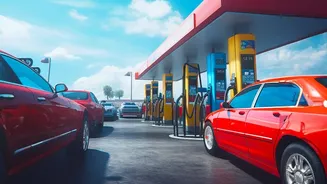
August 2026 will be remembered as a historic month for the Indian passenger vehicle market. According to data from the Federation of Automobile Dealers Associations (FADA), petrol-powered cars accounted for just 40.85% of total retail sales. This is a significant
drop from 46.37% in the same month last year. For the first time ever, the combined market share of alternative fuels—which includes Compressed Natural Gas (CNG), electric vehicles (EVs), and hybrids—reached 41.95%, officially dethroning petrol from its long-held top spot. This shift wasn't a sudden jolt but the culmination of several powerful trends reshaping what Indians want in a new car.
The Undeniable Pull of CNG
The single biggest driver of this change is the spectacular rise of CNG vehicles. In August, CNG cars captured a record-high market share of 25.28%. This surge is directly linked to simple running-cost economics. With petrol prices remaining a concern for many households, the lower running cost of CNG has become an incredibly compelling proposition. Major manufacturers like Maruti Suzuki and Hyundai have aggressively expanded their factory-fitted CNG offerings across a wide range of popular models, making the choice easier for consumers. This move has successfully positioned CNG as a practical and affordable alternative, especially for high-mileage users in both urban and increasingly, rural areas, where demand growth has been particularly strong.
EVs and Hybrids Hit Their Stride
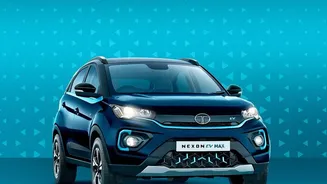
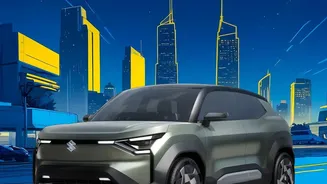
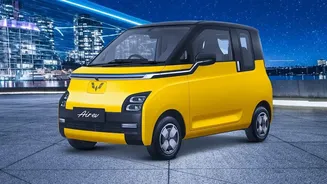
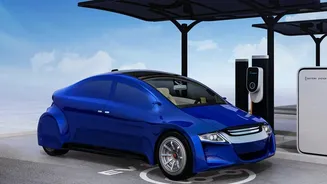
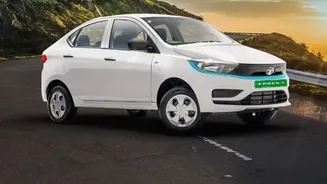
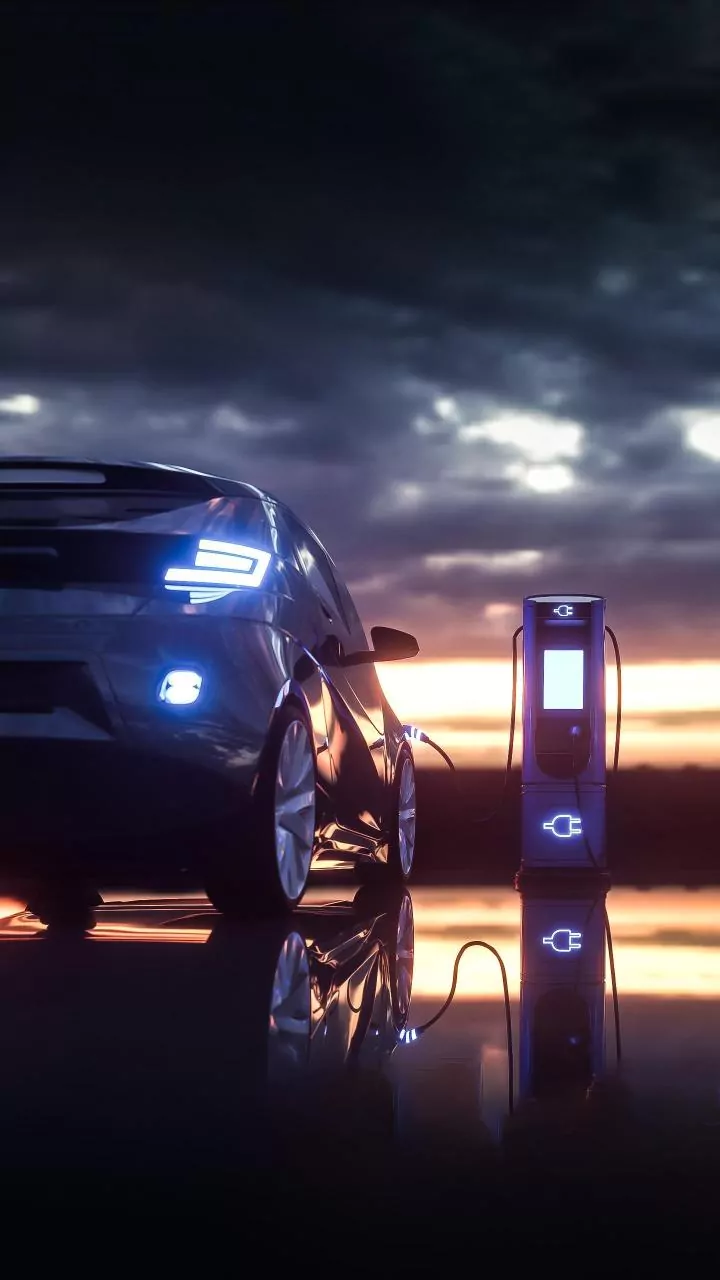
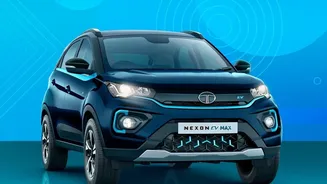
While CNG took the largest slice of the alternative fuel pie, electric vehicles and hybrids also made crucial contributions. EV sales grew an impressive 52% year-on-year, capturing 7.63% of the market in August. This growth is fueled by a widening portfolio of options from brands like Tata Motors and Mahindra, coupled with improving charging infrastructure and government incentives. Simultaneously, strong hybrid vehicles, which offer a blend of petrol and electric power without the need for external charging, secured a 9.04% market share. The popularity of models from Toyota and Maruti Suzuki shows that many buyers are seeking better fuel efficiency without committing fully to an EV, making hybrids a perfect middle ground.
What About Diesel?
In this seismic shift, diesel has continued its slow decline. Its market share fell to 17.21% in August 2026 from 18.37% a year prior. While diesel engines remain the default choice for many large SUVs and in certain commercial-use scenarios due to their torque and fuel economy, the stricter emission norms (BS6 Phase 2) have made them more expensive. This, combined with the shrinking price gap between petrol and diesel fuel, has pushed many personal-use buyers towards petrol or one of the burgeoning alternative fuel options.
Consumer Confidence and the E20 Factor
Beyond pure economics, industry analysts also point to another subtle factor: consumer hesitation around E20 petrol. The government's push for petrol blended with 20% ethanol is aimed at reducing oil imports and emissions. However, this transition has created some uncertainty among buyers regarding the long-term impact on engine life and performance in older vehicles, and even in some new ones. This apprehension appears to have nudged a portion of undecided consumers towards the proven and reliable technologies of CNG and hybrids.