

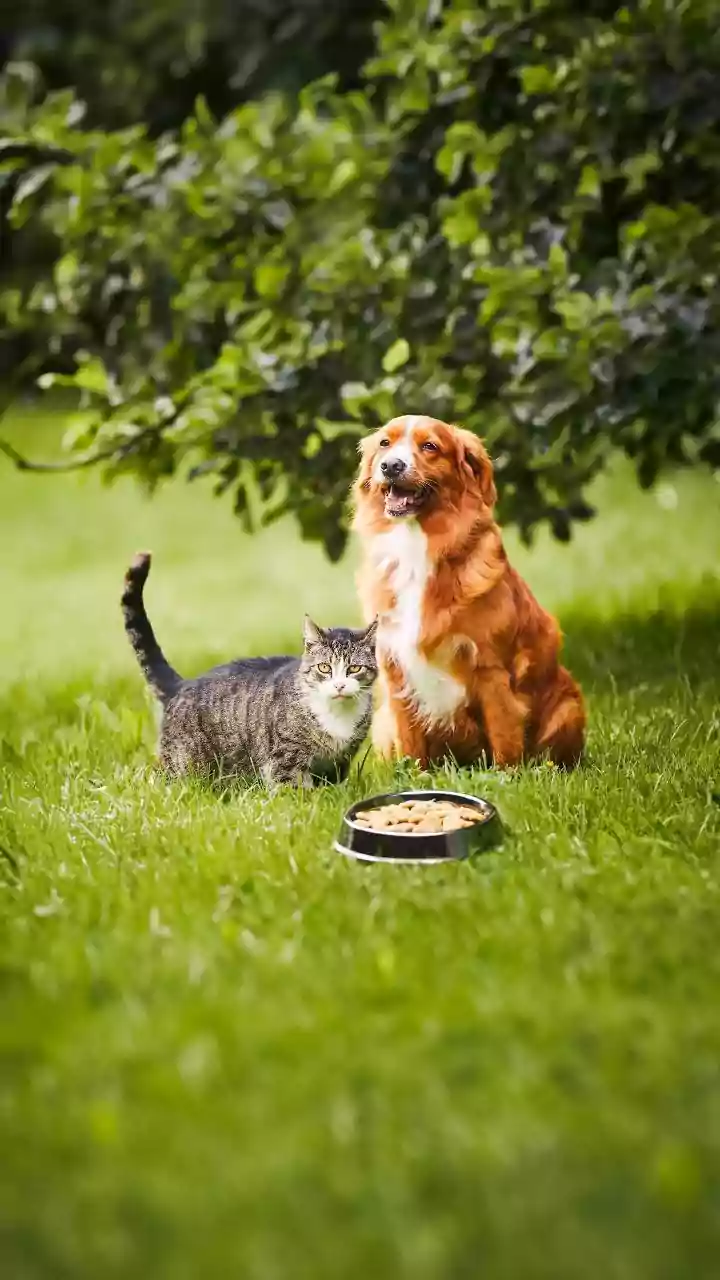






The Common Ground of Calm
Before diving into the differences, it’s important to acknowledge what both species share: a remarkable ability to positively impact our well-being. Science has shown that interacting with animals can lower cortisol, the body's primary stress hormone,
and increase levels of oxytocin, often called the 'love hormone'. This hormonal shift can result in lower blood pressure, a slower heart rate, and a general feeling of calm. Whether it's a dog's enthusiastic greeting or a cat's quiet companionship, the fundamental 'pet effect' is a well-documented phenomenon. An American Psychiatric Association poll found that 86% of pet owners feel their animals have a mostly positive impact on their mental health, a sentiment shared almost equally by both dog and cat owners.
The Canine Approach: Active and Social Stress Relief
Dogs often reduce stress through active engagement. Their need for regular walks and playtime gets owners moving, and physical activity is a proven mood booster and stress reducer. Dog owners are significantly more likely to meet recommended physical activity levels than those without pets. This routine provides structure and a sense of purpose. Beyond exercise, dogs act as social catalysts. They facilitate interactions at the park or on neighbourhood walks, helping to reduce feelings of loneliness and isolation. Their expressive affection and sensitivity to human emotions provide direct comfort, with studies suggesting that their presence alone can make a stressful task feel more manageable.
The Feline Method: A Calming Presence
Cats, on the other hand, tend to lower stress in a more passive and subtle way. Their calming presence and independence are often cited by owners as key benefits. A cat’s purr, in particular, has been a subject of scientific interest. The low-frequency vibrations, typically between 25 and 150 hertz, have been shown to have a relaxing effect on the human nervous system. This can help lower blood pressure and trigger the release of mood-improving chemicals like serotonin. The simple, rhythmic act of petting a purring cat can be a form of mindfulness, grounding a person in the present moment and away from anxious thoughts. For those seeking stress relief without the high-energy demands of a dog, a cat's quiet companionship can be a perfect fit.
New Questions on Stressful Moments
Interestingly, some very recent research from the Netherlands has added a layer of complexity to this picture. A study published in 'Frontiers in Psychology' tracked pet owners in real-time and found that while both dogs and cats provided a momentary mood boost, neither seemed to buffer owners from feeling bad during an active stressor. More surprisingly, the data suggested that for cat owners, more intense interaction with their cat during a stressful moment was linked to feeling slightly worse, not better. Researchers speculate this could be because cat interactions are typically more passive, and seeking intense comfort from a more independent animal might not align with the owner's needs in that moment. It’s a tentative finding that needs more research, but it highlights the nuanced dynamics at play.
It's All About the Match
Ultimately, the research doesn't crown one animal as the superior stress-reliever. Instead, it suggests the 'better' pet is the one that best fits an individual's personality and lifestyle. An active person who thrives on social interaction might find a dog's needs and energy to be a perfect complement to their life. Conversely, someone who values quiet, personal space, and low-maintenance companionship might find a cat's calming presence more beneficial. The strength of the bond appears to be more important than the species. The choice depends entirely on what a person is seeking from the human-animal relationship, confirming that the most significant benefits come from a pet that you connect with personally.