


A New Milestone in Urban Mobility
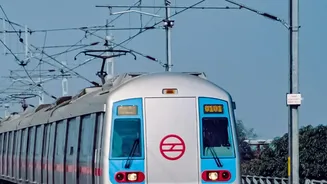
On November 2, 2026, Delhi Metro's driverless network achieved a remarkable feat, carrying 1.6 million passengers in a single day amid the pre-Diwali rush. This figure accounted for one in every five of the network's eight million daily passengers, underscoring
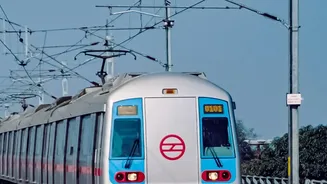
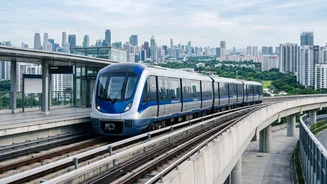
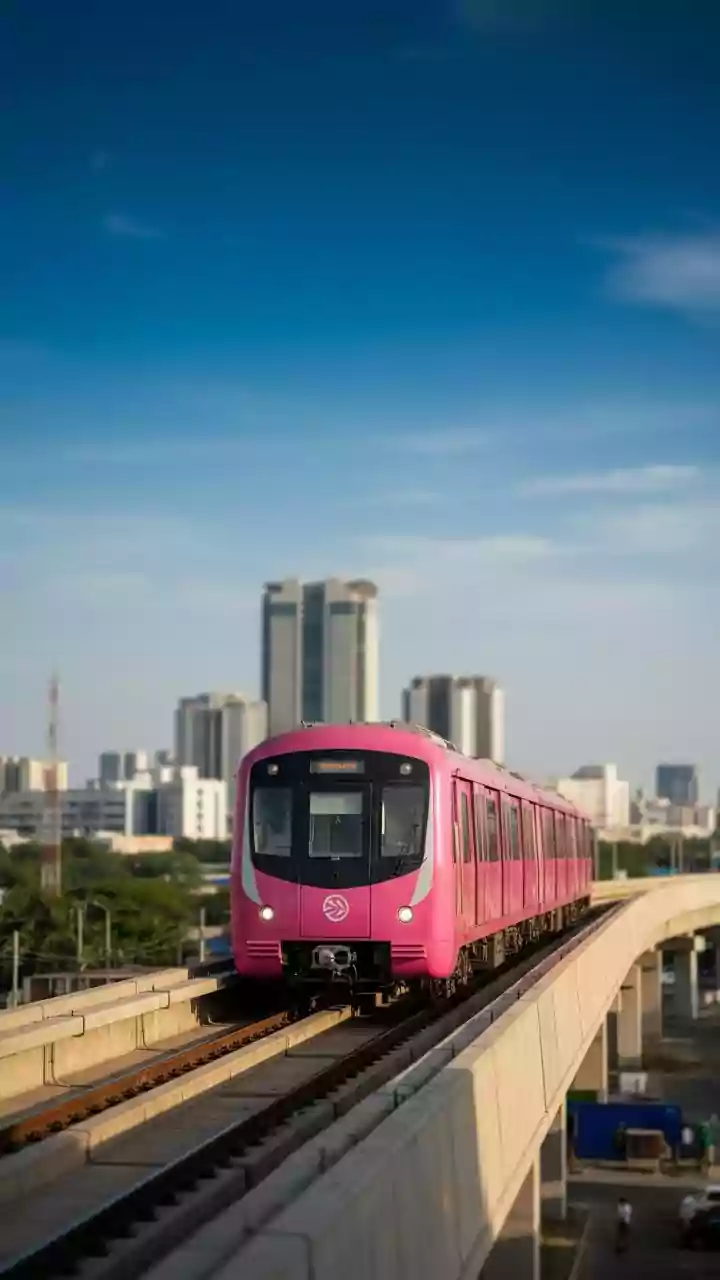
the growing public acceptance of Unattended Train Operation (UTO) technology. The success was recorded on the Magenta and Pink Lines, which together form a 120-kilometre stretch of automated tracks. This impressive performance on what is currently the fourth-largest driverless metro network in the world has positioned the Delhi Metro Rail Corporation (DMRC) as a pioneer, prompting its leadership to advocate for wider adoption of the technology across India.
How Do Driverless Trains Work?
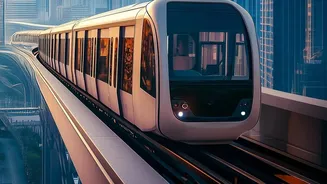
Driverless trains operate using a sophisticated system called Communication-Based Train Control (CBTC). This technology uses radio communication to share real-time data between the train and a central control centre, managing everything from speed and braking to precise stopping at stations. This high level of automation, known as Grade of Automation 4 (GoA4), eliminates the need for an onboard driver and reduces the possibility of human error. The DMRC currently operates 100 UTO trains, which undergo exhaustive self-tests before each service to ensure maximum reliability and safety, according to Managing Director Vikas Kumar. This system allows for greater flexibility in service frequency and improves the overall availability of coaches.
DMRC's Vision for a National Network
Leveraging its two decades of experience, the DMRC is actively promoting its expertise to other cities. Through its consultancy arm and a new subsidiary, Delhi Metro International Limited (DMIL), the corporation is involved in the planning and implementation of metro projects across India and even internationally. The DMRC has already served as a consultant for numerous metro systems, including those in Mumbai, Chennai, Bengaluru, and Patna. With metro services now operational in 26 Indian cities, the success of Delhi's driverless model serves as a powerful case study. DMRC's leadership believes the time is right for other urban centres to embrace automation to enhance their own public transport networks.
The Benefits for India's Growing Cities
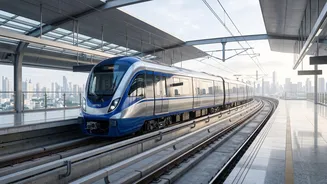
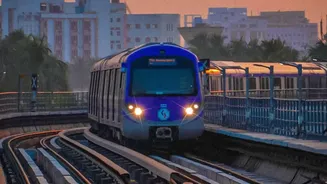
The push for driverless technology extends beyond just Delhi. Chennai's Metro Phase II includes driverless trains manufactured in India, and new lines in Mumbai and Bengaluru are also being designed with GoA4 automation. The primary advantages are increased operational efficiency and safety. Automation can lead to more frequent services, precise scheduling, and optimized energy consumption. Furthermore, by removing the driver's cabin, trains can potentially offer more space for passengers, a key consideration for India's densely populated urban areas. This 'Make in India' approach, with companies like Alstom manufacturing coaches domestically, also boosts indigenous production capabilities.
Weighing the Challenges and Concerns
Despite the clear benefits, a nationwide shift to driverless metros is not without hurdles. A major concern is the high initial capital investment required for the advanced CBTC signalling systems and automated trains. Some experts caution against blindly following global trends, arguing that India, with its lower staffing costs, should conduct its own cost-benefit analysis. The most prominent social concern is the potential for job redundancy among train operators. However, the DMRC has stated that no operators have been laid off since automation began; instead, its roughly 3,000 operators have been redeployed to other crucial roles like station management and crowd control, ensuring their skills are retained within the system.