




What Exactly is GRAP?
The Graded Response Action Plan, or GRAP, is a set of emergency measures that are implemented to combat air pollution in the Delhi-National Capital Region. Notified in 2017, it's not a year-round plan but is activated to prevent the air quality from deteriorating
further. Think of it as a series of alert levels. The plan is implemented by the Commission for Air Quality Management (CAQM) and links specific actions to different levels of air quality, which are measured by the Air Quality Index (AQI). The system is divided into four stages, with Stage 1 being the mildest and Stage 4 being the most severe.
Stage 1: The 'Poor' Air Quality Trigger
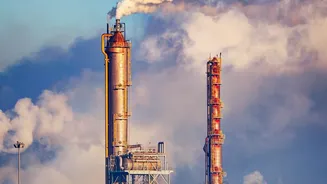
GRAP Stage 1 is triggered when the AQI for Delhi slips into the 'poor' category, which is an index value between 201 and 300. On October 21, 2026, the CAQM invoked these measures after Delhi's AQI was recorded at 244, a sharp rise from the previous day. This first stage focuses on stopping pollution at its source with a primary goal: to prevent the air from tipping into the 'very poor' category. The measures are preventative and target some of the most common and visible sources of pollution in the region, including dust, industrial emissions, and, crucially, waste management.
A Strict Ban on Open Burning
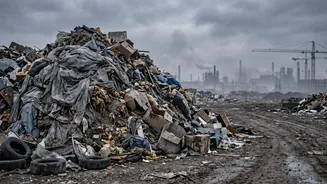
One of the most significant and strictly enforced rules under GRAP Stage 1 is the complete ban on the open burning of any type of waste. This includes municipal solid waste (garbage), biomass like leaves and agricultural residue, and plastic waste. The order extends to landfills, where authorities are directed to maintain strict vigilance to prevent fires, which can be a major source of toxic smoke. This rule is aimed at stopping the release of particulate matter and harmful gases directly into the lower atmosphere, where they have an immediate impact on air quality and public health.
Clamping Down on Garbage Dumping
Alongside the burning ban, Stage 1 mandates intensified efforts to manage solid waste properly. Municipal bodies across the NCR are directed to ensure the regular lifting of garbage, construction and demolition (C&D) waste, and industrial waste from designated sites. A key directive is to ensure that no waste is dumped illegally on open land, where it can either be set on fire or contribute to dust pollution. There is also a strong focus on C&D waste. Projects with a plot size of 500 square meters or more must be registered on a government web portal and adhere to strict dust mitigation measures, such as covering all materials and transporting debris only in covered vehicles.
Who Enforces These Rules and What are the Penalties?
The CAQM oversees the implementation of GRAP, but the on-ground enforcement is carried out by various state and local agencies. This includes state pollution control boards like the Delhi Pollution Control Committee (DPCC), municipal corporations in Delhi and other NCR cities, and district administrations. Violations of these rules, such as open burning or illegal dumping, can lead to significant penalties. The authorities are empowered to impose an 'Environmental Compensation' charge on violators, in line with orders from the National Green Tribunal (NGT). For residents, this means that burning garbage in a neighbourhood park or dumping construction debris on a vacant plot can result in a hefty fine.
Other Key Stage 1 Measures
While the focus is heavily on waste, GRAP-1 includes other important actions. These involve periodic mechanised sweeping and water sprinkling on roads to control dust, a ban on the use of coal and firewood in tandoors at restaurants and eateries, and restrictions on the use of diesel generator sets except for emergencies. Authorities also increase checks on visibly polluting vehicles and work to ease traffic congestion to reduce vehicular emissions. Together, these measures form the first line of defence in the annual battle against Delhi-NCR's winter air pollution.