






An unexpected deadline or a last-minute meeting can easily derail the best-laid fitness plans. For busy professionals, the struggle is real. The secret isn't a more rigid schedule, but a smarter, more flexible system built for real life.
Shift Your Mindset: Consistency Over Intensity
The biggest hurdle
for many isn't a lack of time, but an all-or-nothing mentality. We often believe that if we can't complete a full hour at the gym, there's no point in doing anything. This is a trap. The key to long-term fitness with a demanding job is celebrating consistency, not perfection. Aiming for a weekly goal—like three or four sessions of any length—is more sustainable than a strict daily regimen. If a chaotic day means you can only fit in a 15-minute walk, that's a win. Research shows that even short, consistent bursts of activity yield significant health benefits. This mindset shift from 'perfect sessions' to 'any movement' is crucial. It removes the guilt associated with missed workouts and empowers you to adapt.
Embrace the Micro-Workout
Micro-workouts are short, focused exercise sessions, often lasting just 5 to 15 minutes, that can be slotted into small gaps in your day. These aren't a lesser form of exercise; studies show they are surprisingly effective. You can do a quick bodyweight circuit of squats, push-ups, and planks between conference calls. Or, try a strategy called 'movement stacking', where you link an exercise to an existing daily habit, like doing calf raises while your coffee brews or squats while brushing your teeth. These brief sessions boost circulation, improve focus, and increase your metabolism. Three 10-minute sessions scattered throughout the day add up to 30 minutes of quality physical activity, meeting daily recommended guidelines.
Master High-Intensity Interval Training (HIIT)
When time is your most limited resource, workout efficiency is paramount. High-Intensity Interval Training (HIIT) is one of the most effective ways to get a powerful workout in a short period. HIIT involves alternating between short bursts of all-out effort and brief recovery periods. A complete and effective HIIT session can be done in as little as 10 to 20 minutes, making it perfect for a lunch break or a pre-work energy boost. These workouts are proven to improve cardiovascular health and boost metabolism for hours after you're finished. You don't need fancy equipment; many routines use bodyweight exercises like burpees, high knees, and mountain climbers.
Plan for Flexibility, Not Just for Workouts
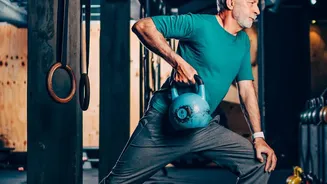
An adaptable fitness plan needs adaptable components. Instead of one rigid workout plan, create a menu of options based on available time and energy levels. Develop a 15st 'emergency' workout, a 30st standard session, and a 45st 'ideal' routine. When a work demand disrupts your schedule, you don't have to cancel entirely; you can simply swap in a shorter option. It's also wise to have a 'Plan B' for location. If you can't make it to the gym, have a go to home workout ready. Keeping basic equipment like resistance bands or a kettlebell at home removes the travel barrier and makes it easier to seize small windows of opportunity.
Use Compound Movements for Maximum Efficiency
To get the most out of a shorter workout, focus on compound exercises. These are movements that work multiple muscle groups at the same time, giving you more 'bang for your buck'. Exercises like squats, deadlifts, rows, and pushups are far more efficient than isolation exercises like bicep curls. By engaging several muscles simultaneously, you build functional strength and burn more calories in less time. A full body circuit based on these movements can be completed in under $30$ minutes$, providing both strength and cardiovascular benefits.