








The Rise of the Micro-Break
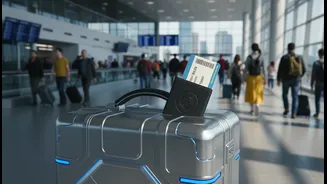
Forget saving up all year for one long vacation. The new trend, especially among young Indians, is the micro-break or 'micro-cation': a short, intentional trip of two to four days. Driven by a desire for regular mental resets and new experiences, Gen
Z is trading the single annual holiday for multiple mini-adventures. Recent reports highlight this shift, with a majority of young travellers now preferring several short trips over one long one. This approach fits modern life, where flexible work schedules and a focus on work-life balance make it easier to slip away for a long weekend than to plan a two-week tour. The goal isn't to see everything, but to disconnect, recharge, and enjoy a few quality experiences without the stress of a packed itinerary.
Why This Trend Is Perfect for Young India
The micro-break philosophy resonates deeply with the values of today’s youth. It’s about collecting experiences, not just visiting landmarks. This generation prioritises mental well-being, and short, frequent getaways are seen as an effective way to combat burnout and stress. According to a recent Airbnb report, travel for Gen Z is an act of self-expression, with many seeking unique stays and personal journeys over tourist traps. Instead of following viral trends, a large percentage of young travellers actively seek out undiscovered places. These trips are often spontaneous, booked just days or weeks in advance, turning a free weekend into an opportunity for a quick escape.
The Hidden Cost of Frequent Travel
While taking more trips sounds appealing, it comes with a financial catch. Each booking—for transport, accommodation, and activities—incurs its own set of costs. Spontaneous trips often mean paying premium last-minute prices for flights and trains. These repeated transaction fees and high fares can quickly add up, making a series of ‘small’ trips more expensive than one well-planned large one. For a generation that is often on a tight budget, managing these recurring expenses is the biggest barrier to making the micro-break model sustainable. Without a smart strategy, the dream of frequent travel can easily become a financial burden.
Mastering Your Booking Strategy
To keep costs down, a smart booking approach is essential. Start by being flexible with your destinations and dates; travelling during the shoulder or off-season can slash prices on flights and hotels. Use fare comparison websites to track prices, and consider booking in your browser’s incognito mode to avoid price hikes based on your search history. For accommodation, look beyond traditional hotels. Backpacker hostels have become widely available across India, offering safe and social lodging for a fraction of the price of a hotel room. Platforms like Zostel and goStops offer beds in dorms for as low as a few hundred rupees. Homestays are another excellent option, providing local experiences and often including home-cooked meals at a lower cost.
Hacking Your Transport Costs
Transport is often the biggest expense. For domestic travel, India’s vast railway network is your best friend. Overnight trains, in particular, save you the cost of a night's accommodation while covering long distances. Sleeper class is the most economical, while 3AC offers air-conditioned comfort at a reasonable price. For shorter routes, consider state-run or private sleeper buses. Ride-hailing apps like Uber and Ola are now available in most cities and are usually cheaper than local unmetered taxis for getting around town. If you’re travelling in a group, splitting the cost of a cab can sometimes be more economical than buying individual train or bus tickets, especially for reaching remote areas.
Spending Smart at Your Destination
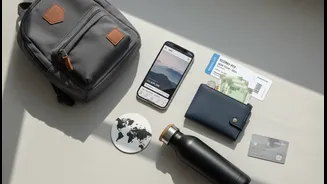
Once you arrive, discipline is key. Avoid tourist-trap restaurants and instead eat at local dhabas or street food stalls, where you can get a delicious and authentic meal for under a hundred rupees. When shopping, don't be afraid to bargain respectfully at local markets. Utilise public transport like local buses or the metro in big cities to get around cheaply. Finally, pack light to avoid expensive airline baggage fees. The micro-break is about being nimble and spontaneous, and that philosophy should extend to your budget. By planning smart, you can make frequent travel a reality without breaking the bank.